
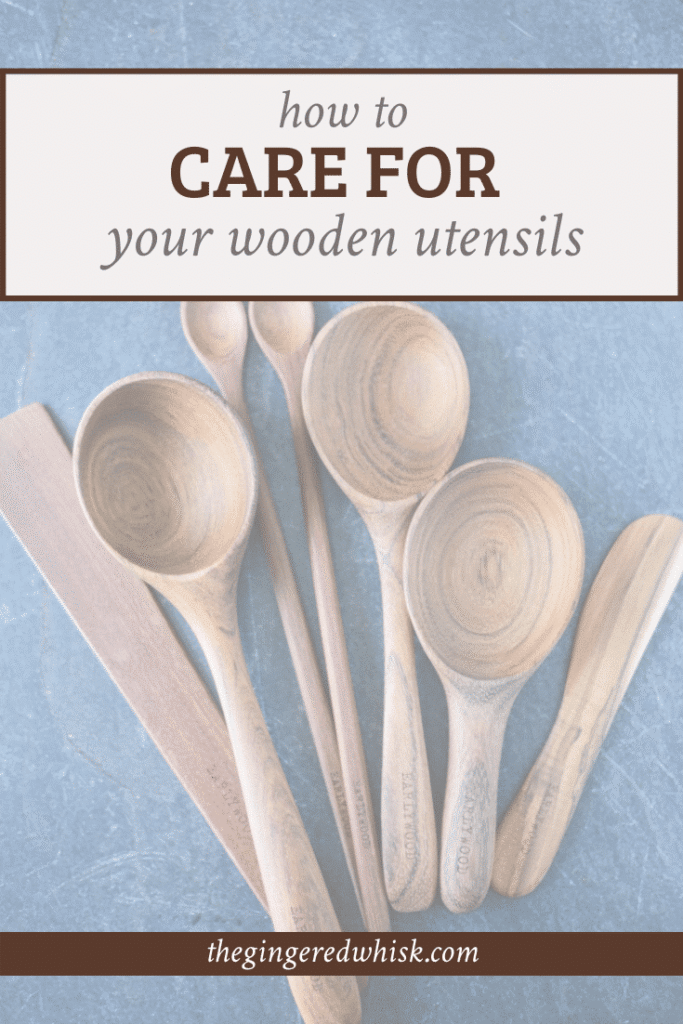
Birchwood kitchen utensils require gentle hand washing, regular oiling every 2-4 weeks, and proper storage to prevent cracking, warping, and drying out. With consistent maintenance, these light-colored wooden utensils can remain functional and attractive for years.
- Always hand-wash birchwood utensils—never use a dishwasher, as prolonged water exposure and harsh detergents damage the wood
- Oil birchwood utensils every 2-4 weeks with food-grade mineral oil or beeswax to restore moisture and prevent cracking
- Dry utensils immediately after washing using a clean towel, never air-dry in a dish rack
- Condition the wood whenever it appears dry, dull, or no longer repels water
- Store birchwood utensils in a dry, well-ventilated area away from direct heat sources
How to Care for Birchwood Kitchen Utensils: Maintenance Tips for Beginners
Birchwood kitchen utensils bring warmth and natural beauty to any kitchen, but unlike their plastic counterparts, they require thoughtful care to maintain their appearance and functionality. Whether you received a set as a gift or treated yourself to your first wooden cooking tools, understanding how to clean, condition, and store birchwood properly will keep them serving you well for years. This guide walks you through everything you need to know about caring for birchwood kitchen utensils, from daily cleaning routines to long-term maintenance schedules.
Understanding Birchwood: Why It Deserves Special Care
Birchwood offers a unique combination of properties that make it popular for kitchen utensils. It features a light, creamy color with a subtle grain pattern that complements modern kitchen aesthetics. Birch ranks in the moderate hardness range on the Janka scale, meaning it resists dents and wear while remaining gentle on cookware surfaces. Unlike porous woods that absorb liquids readily, birchwood has a tighter grain structure that provides better natural moisture resistance.
Compared to other kitchen woods, birchwood sits between soft maple and denser teak. Oak, while durable, contains open pores that trap moisture and bacteria more easily. Bamboo, technically a grass, behaves differently than true wood and requires different care approaches. Teak contains natural oils that provide built-in protection, whereas birchwood relies more heavily on regular conditioning to maintain its moisture balance.
Wood naturally absorbs and releases moisture based on environmental conditions. When birchwood absorbs excess water, the fibers swell and can eventually crack or warp as they dry unevenly. Conversely, in very dry conditions, wood loses moisture and becomes brittle. Your care routine must protect against both extremes while preserving the natural oils that keep birchwood flexible and resilient.
Cleaning Basics: Daily Care After Each Use
The Right Way to Wash Birchwood
Hand-washing is the only method for cleaning birchwood utensils. Fill a basin or use your sink with warm water—never hot—and add a small amount of mild dish soap. Gently wash each utensil using a soft sponge or cloth, working along the grain to avoid scratching the surface. Rinse quickly with clean water at the same temperature to prevent thermal shock.
Wash each utensil individually rather than letting them soak together. Work efficiently; the entire cleaning process for each item should take only seconds once you develop a routine. This prevents prolonged water exposure while ensuring thorough cleaning.
What to Avoid During Cleaning
The dishwasher damages birchwood utensils irreparably. High water pressure, prolonged exposure to hot water, and harsh detergents strip natural oils from the wood, cause cracking, and lead to warping. Most manufacturer warranties explicitly void if items are cleaned in a dishwasher. Beyond mechanical damage, dishwashers leave wood swollen and vulnerable to bacterial growth in the crevices that form as the wood dries.
Never submerge birchwood utensils in water or leave them soaking. Even fifteen minutes of soaking can cause the wood to swell and compromise its structural integrity. Similarly, avoid abrasive scrubbers, steel wool, or scouring pads that scratch the surface and create pathways for moisture and bacteria.
Proper Drying Technique
Immediately after rinsing, pat each utensil dry with a clean kitchen towel. Do not set them aside to air-dry while wet. Once towel-dried, place utensils upright in a dish rack or on a clean surface where air circulates freely around all sides. Allow them to air-dry completely before storing. This upright position prevents water pooling and ensures even drying across the entire surface.
If lingering odors develop from garlic, onion, or fish, lightly rub the surface with kosher salt and a lemon half, then rinse and dry immediately. This natural method absorbs odors without introducing chemicals or damaging the wood grain. For persistent odors, you may want to explore natural wood odor removal techniques.
Oiling and Conditioning: Protecting the Wood
Why Oiling Matters
Regular oiling replenishes the natural moisture that birchwood loses through use and cleaning. Think of conditioning as moisturizer for your skin—it prevents drying, maintains flexibility, and creates a protective barrier against moisture and stains. Well-oiled birchwood resists absorption of liquids and food particles while developing a beautiful, warm patina over time.
Suggested read: How to Choose Cutting Board Materials for a Cherry Kitchen
How Often to Oil
Frequency depends on how frequently you use your utensils. Daily-use items benefit from oiling every two to four weeks. Items used weekly may only need conditioning monthly. Watch for visual cues: when the wood appears dull, feels rough, or no longer beads water on its surface, it’s time to oil. New utensils should receive an initial conditioning before their first use to seal the wood immediately.
Safe Oils for Birchwood
Food-grade mineral oil serves as the standard recommendation for conditioning wooden kitchen items. It remains liquid at room temperature, has no flavor or odor, and meets FDA standards for food contact. Fractionated coconut oil, also called MCT oil, offers similar benefits with a faint coconut scent that fades quickly. Specialized food-safe wood conditioners often combine mineral oil with beeswax for added protection.
Avoid cooking oils like olive oil, vegetable oil, or canola oil. These contain unsaturated fats that break down and turn rancid, creating unpleasant odors and potentially harmful compounds. Rancid oil can discolor wood and promote bacterial growth—the opposite of your goal.
Application Method
Apply oil to a clean, completely dry utensil. Use a soft cloth or paper towel to spread a thin, even coat across all surfaces, working with the grain. Allow the oil to penetrate for several hours or overnight. Wipe away any excess with a clean cloth. The wood should feel smooth but not greasy or sticky. If residue remains, the application was too heavy—buff thoroughly to remove excess.
Over-oiling causes problems just as under-oiling does. A sticky or tacky surface indicates too much oil sitting on top rather than absorbing into the wood. When in doubt, use less oil and build up gradually. Multiple thin coats prove more effective than one heavy application.
Storage Best Practices
Ideal storage for birchwood maintains stable humidity and temperature while allowing air circulation. Avoid storing utensils in closed cabinets with no airflow, in damp areas near sinks or dishwashers, or in direct sunlight that can fade and dry the wood. A utensil holder by the stovetop works well for frequently used items, providing both convenience and airflow. Consider browsing our utensil holder recommendations for storage solutions.
For longer-term storage in drawers, keep utensils separate rather than stacked or crowded together. Crowding restricts airflow and can cause items to knock against each other, creating dents or scratches. A simple utensil tray with individual compartments protects your tools while keeping them organized.
If you live in a region with extreme seasonal humidity changes, consider adjusting your oiling schedule accordingly. Wood absorbs more moisture during humid summers and releases more during dry winters. More frequent conditioning during these transitions helps the wood maintain consistent moisture content.
Troubleshooting: Identifying and Fixing Problems
Early Warning Signs
Routinely inspect your utensils for developing issues. Surface scratches collect moisture and bacteria, making the wood appear lighter in the affected area. Rough patches indicate drying and loss of surface oils. Hairline cracks often start at edges or near the handle junction where stress concentrates. Catching these problems early prevents more serious damage.
Repairing Minor Damage
Light surface scratches respond well to light sanding followed by re-oiling. Use fine-grit sandpaper (220-grit or higher) and sand gently along the grain until the scratch disappears. Wipe away dust and apply oil as described above. Minor rough spots can often be smoothed the same way. Small cracks sometimes close when wood absorbs conditioning oil, but deep cracks may require professional repair or replacement.
When to Replace
Replace utensils when cracks run deep through the wood, when warping prevents flat resting or proper function, when odors persist despite repeated cleaning, or when mold appears in crevices that cannot be reached for cleaning. Surface wear and minor scratches rarely require replacement—sanding and re-oiling typically restore usability. With proper care, quality birchwood utensils last many years of regular use.
Maintenance Schedule: Your Quick Reference Guide
Daily Routine
- Wash by hand with warm water and mild soap
- Dry immediately and thoroughly with a clean towel
- Air-dry in upright position before storing
- Store in clean, dry location with airflow
Monthly Maintenance
- Inspect each utensil for scratches, rough spots, or cracks
- Lightly sand any problem areas
- Apply food-safe oil to items showing dryness
- Check storage area for humidity or temperature issues
Seasonal Deep Care
- Condition all utensils with food-safe oil
- Clean storage area and utensil holders
- Assess overall condition and plan for any replacements
- Adjust care routine based on seasonal humidity changes
Frequently Asked Questions
Can I put birchwood utensils in the dishwasher?
No. Dishwashers expose birchwood to prolonged water contact, high temperatures, and harsh detergents that cause cracking, warping, and breakdown of the wood’s natural oils. Always hand-wash birchwood utensils.
Suggested read: Single Bowl Kitchen Sink Buyer's Guide: Finding the Perfect Sink for Your American Kitchen
How often should I oil my birchwood utensils?
For regularly used items, oiling every two to four weeks is recommended. Items used less frequently may only need conditioning every few months. Oil whenever the wood appears dry or dull, or when water no longer beads on the surface.
What oils are safe to use on birchwood kitchen utensils?
Food-grade mineral oil, fractionated coconut oil, and specialized food-safe wood conditioners are the safest options. Avoid cooking oils like olive or vegetable oil, which can turn rancid. Always use products specifically labeled as food-safe.
Should I oil new birchwood utensils before first use?
Yes. New birchwood utensils often benefit from an initial oiling before first use. This helps seal the wood and provides immediate protection against moisture absorption and staining.
How do I prevent my birchwood utensils from cracking?
Prevent cracking by never soaking utensils in water, always drying them immediately after washing, storing them in a location with stable humidity, and regularly oiling to maintain moisture balance in the wood.
How do I know when my birchwood utensils need to be replaced?
Replace utensils when they develop deep cracks that cannot be sanded out, have warped beyond usability, emit persistent odors that don’t respond to cleaning, or show signs of mold. Light surface scratches and minor wear can typically be restored with sanding and re-oiling.
What’s the best way to dry birchwood utensils after washing?
Pat dry immediately with a clean towel, then allow them to air-dry completely in an upright position or on a dish rack with airflow. Never leave them sitting in a damp sink or stacked while wet.
Can I use vinegar to clean birchwood utensils?
Occasional light cleaning with diluted vinegar is acceptable, but regular use damages wood fibers over time. If using vinegar, dilute it heavily with water and rinse thoroughly. Plain warm water and mild soap works well for most daily cleaning.
Conclusion
Caring for birchwood kitchen utensils comes down to three core practices: cleaning gently and immediately, conditioning regularly with food-safe oils, and storing properly to protect against moisture extremes. These wooden tools reward consistent attention with years of reliable service and developing character that plastic simply cannot match.
You don’t need to become a woodworker to maintain birchwood successfully. A few minutes after each use and a simple monthly conditioning routine protect your investment and keep your kitchen functioning beautifully. Start with one utensil, build your routine, and expand from there. Your birchwood collection will serve you well for many years with proper care.
Sources
Sources & References
- Source: Michigan State University Extension – Wooden Cutting Board and Utensil Care (research)
University research-based guidance on cleaning, sanitizing, and maintaining wooden kitchen tools to prevent bacterial contamination and extend usability. - Source: Care and Maintenance of Wooden Kitchen Items (official)
University extension service guide covering oiling frequency recommendations, proper drying techniques, and storage conditions for wooden kitchen utensils.

Author and contributor.
