
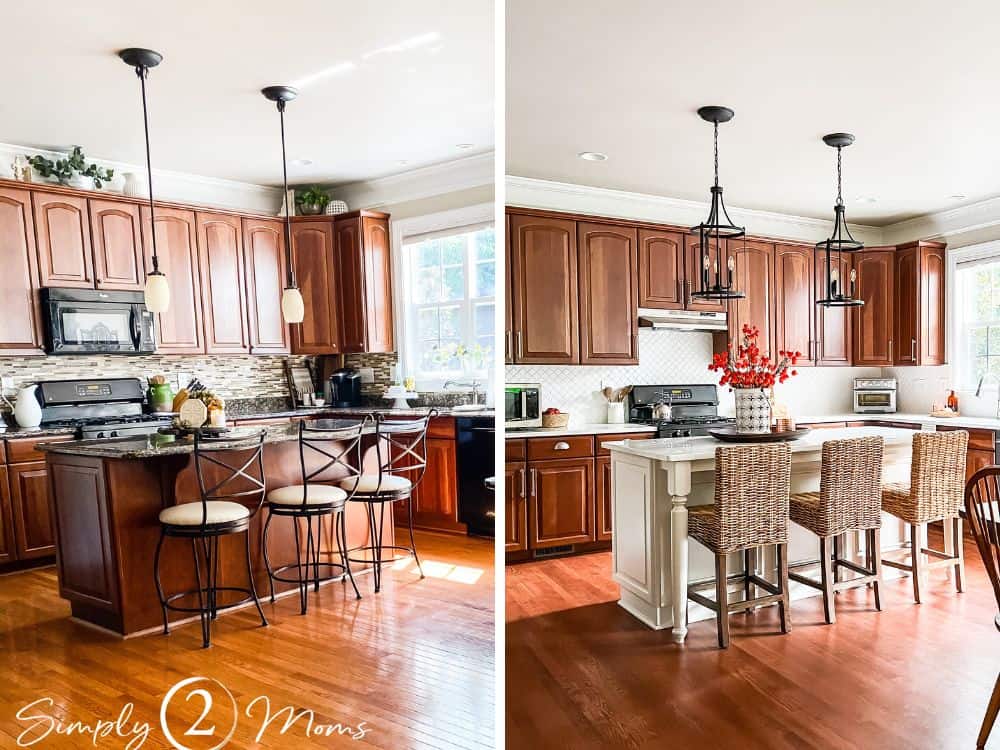
Why Cherry Kitchen Cabinets Darken Over Time (and How to Manage or Embrace It)
Cherry is one of the few kitchen woods that keeps changing after installation. Instead of holding the color you saw in the showroom, cherry gradually deepens into a warmer, richer tone. For some homeowners that's the whole appeal; for others it's an unwelcome surprise. Understanding what drives the shift — and what you can and can't control — makes it much easier to decide whether to fight the patina or let it happen.
What's Actually Happening to the Wood
Cherry's color change is a natural, ongoing process rather than a defect or a sign of wear. The wood is light-sensitive, and over time it darkens with age, developing what's often described as a lustrous patina. The shift is also influenced by environmental exposure: cherry's rich, reddish hue deepens with time, sunlight, and humidity. [2][1]
In practical terms, three things are at work:
- Light exposure — the single biggest driver, which is why the change is often uneven across a kitchen.
- Time — the process continues gradually rather than completing in a few weeks.
- Humidity — moisture in the air plays a supporting role in how the wood ages [1].
Because these factors vary from room to room, two cherry kitchens installed the same day can look noticeably different a few years later. That variability is normal.
Why the Color Change Is Usually Uneven
The most common complaint isn't that cherry darkens — it's that it darkens *unevenly*. Cabinet doors that face a bright window may deepen faster than the sides of the same cabinet, and panels hidden behind an appliance or under an overhang can lag behind. Over time this can create visible "shadows" where one section of a run is noticeably lighter than the rest.
This isn't a manufacturing flaw. It's the predictable result of light-sensitive wood being exposed to different amounts of light in different spots [2]. If you've ever pulled a picture frame off a cherry table and seen a lighter rectangle underneath, you've seen the same effect at work.
Practical takeaway: before you assume a color mismatch is a defect, check whether the lighter area is simply one that receives less light. In many kitchens, that explains the difference entirely.
Managing the Change: What You Can Realistically Do
You can slow the process and reduce unevenness, but you can't freeze cherry's color permanently. Here's what tends to help.
Control the light
Since light exposure is the primary driver [2], managing light is the most direct lever. Window treatments, UV-filtering film on glass, and adjusting how much direct sun reaches the cabinet faces can all reduce the rate of change. This won't stop the process, but it can slow it and make the shift more even across a run.
Rotate what you can
Where cabinet doors, drawer fronts, or removable panels are involved, periodic rotation can help distribute light exposure more evenly. This is more feasible on some cabinet styles than others, so check what your specific doors allow before planning to swap anything.
Keep humidity reasonably stable
Because humidity is part of the picture [1], keeping indoor humidity within a comfortable, consistent range supports more even aging. This is a general home-comfort practice rather than a cherry-specific fix, and it won't override the effects of light.
Expect the change to continue
No finish stops cherry from darkening. A finish can influence how the wood looks and how quickly it appears to shift, but the underlying light sensitivity remains [2]. If a finish is described as "locking in" the color, treat that as a claim to verify with the manufacturer rather than a guarantee.
Suggested read: How to Care for a Cherry Wood Cutting Board
Embracing the Patina Instead
Many people choose cherry precisely because it ages. The deepening color and developing luster are the point, not a problem to solve [2]. If you're in that camp, a few habits make the process easier to live with:
- Choose cherry for the long run, not the showroom look. The color you see on day one isn't the color you'll have in a few years.
- Let the whole kitchen age together. Rather than trying to keep one area pristine, allow the space to develop its patina uniformly.
- Plan around future additions carefully. If you might add cabinets later, know that new cherry will start lighter than aged cherry and will need time to catch up.
That last point is worth dwelling on, because it's where the patina becomes a practical planning issue rather than just an aesthetic one.
The Matching Problem When You Add Cabinets Later
If you add a cherry cabinet, island, or pantry to an existing cherry kitchen, expect a visible difference at first. The new piece starts closer to the wood's original, lighter tone, while the existing cabinets have already darkened [2]. This is normal and not a sign that you received the wrong product.
A few ways to handle it:
1. Accept a transition period. The new piece will darken over time and move closer to the surrounding cabinets, though matching exactly isn't guaranteed. 2. Place new pieces thoughtfully. Putting a new cabinet where it's separated from older ones — or where light exposure is similar — can make the difference less jarring. 3. Ask the manufacturer about color-matching options. Some brands offer guidance on matching new cherry to aged cherry. Verify current options directly with the manufacturer or retailer, since availability and offerings change.
If exact matching matters a great deal to you, it's worth confirming expectations with the seller *before* ordering, rather than after delivery.
Choosing Cherry Cabinets: What to Check Before You Buy
If you're still deciding, these checks will save you from surprises later.
- See a sample in your own light. Because cherry responds to light and humidity, a sample viewed in your kitchen tells you more than one viewed in a showroom.
- Ask how the cabinets are finished. Finishes vary, and the finish affects appearance. Ask specifically how the finish is expected to behave over time.
- Confirm the wood species. "Cherry" can refer to different things in the marketplace. Verify that the cabinets are the cherry you intend to buy.
- Plan for the color you'll have, not the color you see. Assume the cabinets will deepen and decide whether you're happy with that trajectory. [1][2]
For any current pricing, dimensions, finish options, stock status, ratings, or included accessories on specific cherry cabinets, treat those details as changeable and confirm them on the current manufacturer or retailer listing before you buy. Product lines, finishes, and availability are updated frequently, so a listing you saw previously may not reflect what's offered today.
A Balanced Bottom Line
Cherry cabinets darkening over time isn't damage, and it isn't something a finish can prevent. It's the natural behavior of a light-sensitive wood that also responds to time and humidity. You can slow it, you can even it out somewhat, and you can plan around it — but you can't stop it. [1][2]
That leaves a straightforward choice. If you want a kitchen that stays exactly the color you picked, cherry will fight you. If you want a wood that gains depth and character as the years pass, cherry is doing precisely what it's supposed to do. Either way, knowing the process in advance is what turns a surprise into a decision.
Sources
1. Fixr — Custom Cabinet Installation Cost Guide: https://www.fixr.com/costs/custom-cabinets-installation 2. MasterBrand — Cherry Cabinets Wood Guide: https://www.masterbrandcabinets.com/get-started/design-your-room/choosing-a-wood/cherry-cabinets
Suggested read: Best Hardware for Cherry Kitchen Cabinets: How to Choose Styles and Finishes That Work Together

Author and contributor.
