
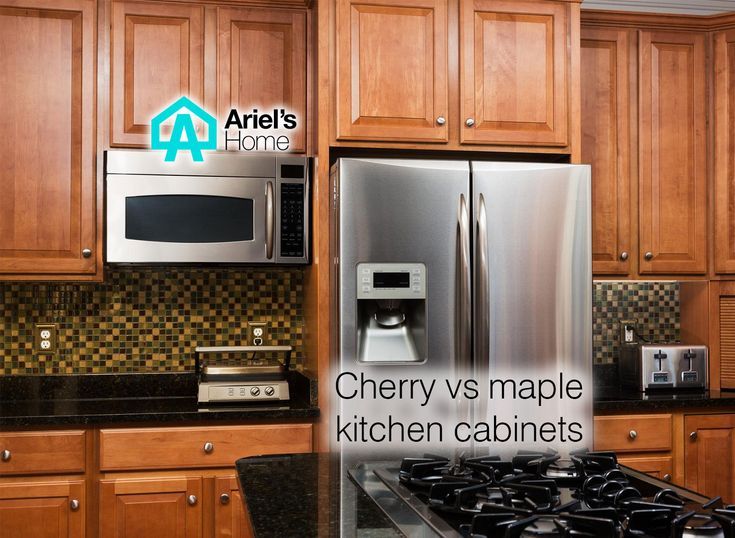
Cherry vs. Maple Kitchen Cabinets: A Complete Comparison
Choosing between cherry and maple kitchen cabinets is one of the most impactful decisions you'll make when designing or remodeling your kitchen. Both woods are popular choices for cabinetry, but they offer distinctly different looks and practical characteristics. This guide breaks down the key differences to help you make an informed decision for your home, drawing on the source information available.
Understanding the Two Woods
Maple Cabinets
Maple is a strong, resilient hardwood that is widely used in cabinetry. One of its defining characteristics is its uniform graining compared to other wood types, which gives maple cabinets a clean, consistent appearance [1]. Maple typically has a light, creamy color that ranges from nearly white to a pale golden brown, making it an excellent choice for kitchens that aim for a bright, airy feel. The wood takes stain and paint well, offering versatility in design. Maple can be finished with a clear coat to showcase its natural grain, stained to mimic darker woods, or painted in virtually any color. This adaptability makes maple a favorite among homeowners who want flexibility in their kitchen's aesthetic.
Cherry Cabinets
Cherry wood is prized for its rich, warm color and distinctive grain pattern. Unlike maple's uniformity, cherry features a more pronounced grain with occasional mineral streaks and small gum pockets that add character. The wood naturally ranges from a light pinkish-brown to a deep reddish-brown, and it darkens significantly with age and exposure to light—a process called "mellowing" that many homeowners find appealing. Cherry is also a hardwood, but it is generally softer than maple. According to wood hardness testing, black cherry has a Janka hardness rating of 950, which measures resistance to denting and wear [2]. This places cherry on the softer end of hardwoods used for cabinetry.
Key Differences at a Glance
| Feature | Maple | Cherry | |———|——-|——–| | Grain pattern | Uniform, subtle | Pronounced, varied | | Natural color | Light cream to pale golden | Pinkish-brown to deep red | | Hardness (Janka) | Higher (harder) | 950 (softer) [2] | | Aging | Stable color | Darkens over time | | Staining | Takes stain evenly | Can be blotchy | | Paintability | Excellent | Good, but grain shows through |
Durability and Hardness
When it comes to everyday wear and tear, hardness matters. Maple is a strong, resilient hardwood, which means it is more resistant to dents, scratches, and dings from daily use [1]. This can be an important consideration for busy family kitchens where cabinets may get bumped by pots, pans, or children's toys.
Cherry's lower hardness rating of 950 means it is more susceptible to denting [2]. However, this does not make cherry cabinets fragile or unsuitable for kitchens—they are still a durable choice used in countless homes. The difference is relative, and many homeowners find that cherry's beauty outweighs the slightly higher risk of minor dents, which can actually add to the wood's character over time. It is worth noting that hardness can vary within each species. "Hard maple" (often used in flooring and butcher blocks) is denser than "soft maple," which is sometimes used in cabinetry. When shopping, verify with your cabinet manufacturer which specific type of maple they use, as this affects durability.
Appearance and Aesthetic
Grain and Texture
Maple's uniform graining creates a smooth, consistent surface that works well in modern, contemporary, and transitional kitchens [1]. The subtle grain pattern does not compete with other design elements, making maple an excellent backdrop for bold countertops, backsplashes, or hardware.
Cherry's more pronounced grain gives cabinets a traditional, elegant look. The natural variations in the wood—including mineral streaks and occasional small knots—add visual interest and a sense of craftsmanship that many homeowners desire for classic or rustic kitchen designs.
Color and Aging
This is perhaps the most significant aesthetic difference between the two woods. Maple maintains a relatively stable color over time, though it may yellow slightly with age. If you choose maple cabinets, the color you see in the showroom is essentially what you will have years down the road.
Cherry undergoes a dramatic transformation. New cherry cabinets have a lighter, pinkish-brown hue that deepens to a rich, warm reddish-brown as they age. This process can take several years and is accelerated by exposure to natural sunlight. Some homeowners love this evolving character, while others prefer the predictability of maple. When selecting cherry cabinets, ask your manufacturer or retailer for examples of aged cherry to ensure you will be happy with the final color.
Staining and Finishing
Maple is known for taking stain evenly, which makes it ideal for achieving consistent color across all cabinet doors and drawer fronts [1]. However, maple can sometimes appear blotchy when stained with darker colors because the wood's density varies. Professional finishers often use techniques like preconditioning to prevent this.
Suggested read: Cherry vs. Maple Cutting Boards: Which Wood Fits Your Kitchen?
Cherry can be more challenging to stain evenly because of its natural tendency to absorb stain inconsistently. Many manufacturers recommend using a clear or lightly tinted finish on cherry to let the natural wood color shine through. If you want a darker color, verify with your cabinet maker how they achieve consistent results with cherry.
Practical Considerations
Maintenance and Care
Both maple and cherry cabinets can be maintained with regular dusting and occasional cleaning using a damp cloth and mild soap, while avoiding harsh chemicals or abrasive cleaners that may damage the finish. Cherry is softer than maple, so it can show scratches and dents more readily [2]. In a high-traffic kitchen or a home with young children, maple's greater resistance to wear may be a practical advantage. Minor imperfections in cherry can often be touched up or accepted as part of the wood's character.
If you plan to paint your cabinets, maple is the superior choice. Its tight, uniform grain provides a smooth surface that takes paint beautifully, resulting in a flawless, factory-like finish [1]. Cherry's more open grain can show through paint, which some homeowners dislike. For stained finishes, both woods work well, but with different results. Maple gives a clean, even color, while cherry offers depth and richness that darkens gracefully over time.
Cost and Availability
Pricing for both maple and cherry cabinets varies widely based on the manufacturer, cabinet grade, door style, and finish. Because pricing and availability fluctuate, verify current costs by checking with multiple cabinet retailers or manufacturers. Ask for quotes on comparable cabinet lines in both woods to get an accurate comparison for your specific project.
Which Wood Is Right for Your Kitchen?
Choose Maple If You:
- Prefer a light, bright kitchen aesthetic
- Want consistent, uniform grain
- Plan to paint your cabinets
- Want a wood known for strength and resilience
- Prefer a stable color that won't change dramatically over time
- Are working with a tighter budget (verify current pricing)
Choose Cherry If You:
- Love rich, warm wood tones
- Appreciate natural grain variation and character
- Want cabinets that develop a beautiful patina with age
- Are designing a traditional, rustic, or classic kitchen
- Don't mind the possibility of minor dents adding character
- Are willing to invest more for a premium look (verify current pricing)
Final Recommendations
Both cherry and maple are excellent choices for kitchen cabinets, and neither is objectively "better"—the right choice depends on your personal style, practical needs, and budget. Maple offers versatility, durability, and a clean look that suits many design styles, while cherry provides warmth, character, and a timeless elegance that many homeowners treasure. [1][2]
Before making a final decision, visit a showroom to see both woods in person. Look at finished samples in different lighting conditions, and ask about the specific type of maple or cherry used. If possible, request a sample of aged cherry to understand how the color will evolve in your kitchen. For the most current information on pricing, availability, and specific product lines, consult with local cabinet dealers or manufacturers. They can provide up-to-date quotes and help you compare options tailored to your kitchen's dimensions and your design preferences.
Sources
[1] MasterBrand — Maple Cabinets Wood Guide: https://www.masterbrandcabinets.com/get-started/design-your-room/choosing-a-wood/maple-cabinets
[2] The Wood Database — Hard Maple, Soft Maple, and Black Cherry Hardness: https://www.wood-database.com/wood-articles/differences-between-hard-maple-and-soft-maple/

Author and contributor.
