
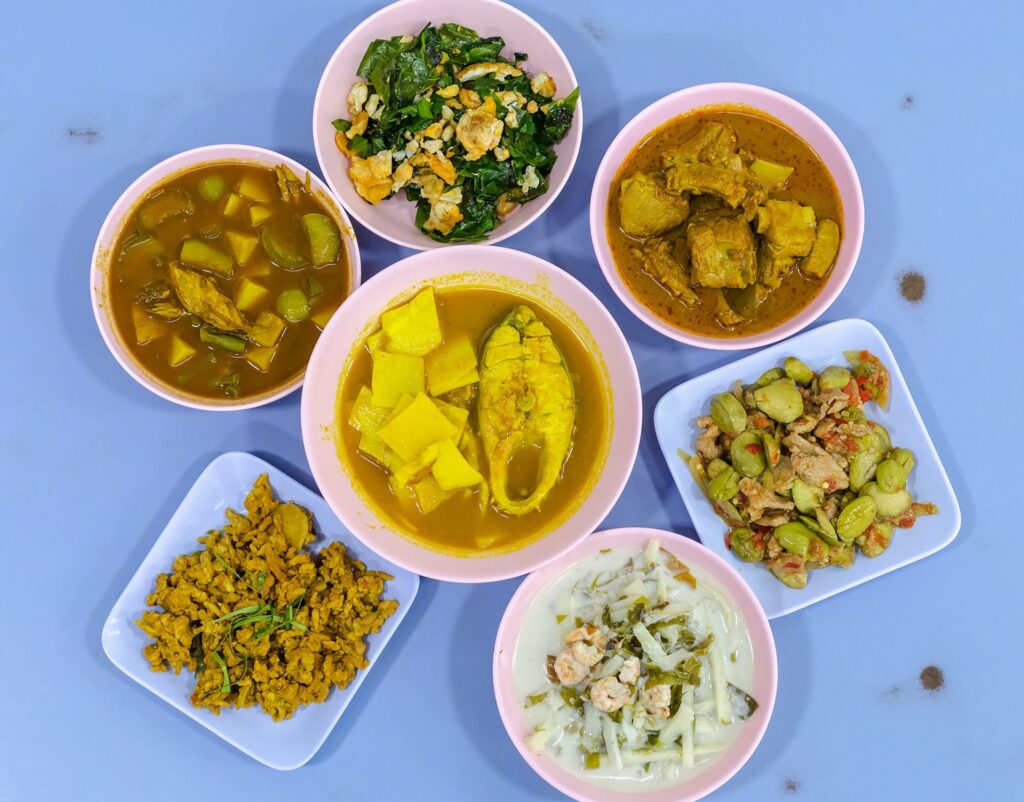
A Thai kitchen menu is one of the most exciting and complex menus you will ever encounter at any restaurant. It blends sweet, sour, salty, spicy, and umami flavors into dishes that feel bold and comforting at the same time. Yet despite the incredible variety packed into a typical Thai kitchen menu, most diners in the West tend to reach for the same two or three familiar dishes every single visit. This article unpacks every layer of the Thai kitchen menu — from crowd-pleasing classics and regional specialties to hidden gems, ingredient deep dives, and smart ordering strategies that will completely change how you experience Thai food.
Whether you are a first-time visitor to a Thai restaurant or a long-time enthusiast looking to go deeper, understanding the full scope of what a Thai kitchen menu has to offer is the single best step you can take toward truly appreciating one of the world’s most celebrated cuisines.
What Is a Thai Kitchen Menu and Why Is It So Unique?
The Thai kitchen menu is fundamentally different from menus at most other Asian restaurants because it is not built around a single dominant flavor or cooking technique. Instead, it is a carefully balanced ecosystem of contrasting tastes, textures, and aromas rooted in centuries of culinary tradition. Thai cuisine draws influences from neighboring countries including China, India, Malaysia, and Cambodia, but it has synthesized all of those influences into something unmistakably its own.
At the core of any authentic Thai kitchen menu is the philosophy of balance. Thai chefs — from street food vendors in Chiang Mai to upscale establishments in Bangkok — are trained to balance the four (sometimes five) fundamental tastes in every single dish. Those tastes are:
- Sweet – derived from palm sugar, coconut milk, and ripe fruits
- Sour – delivered through lime juice, tamarind, and green mango
- Salty – achieved with fish sauce, oyster sauce, and shrimp paste
- Spicy – built with fresh chilies, dried chilies, and chili pastes
- Umami – layered in through fermented ingredients, dried shrimp, and galangal
This balancing act is what makes every dish on a Thai kitchen menu taste complete and deeply satisfying, even when the individual ingredients might seem simple on their own.
“Thai cooking is about the juggling of disparate elements to create a harmonious finish.” — David Thompson, award-winning Thai cuisine chef and author of Thai Food
A Full Breakdown of the Thai Kitchen Menu by Category
Understanding how a Thai kitchen menu is organized helps you make smarter, more adventurous choices. Most Thai restaurants — whether casual or fine dining — structure their menus across these core categories:
1. Thai Kitchen Menu Appetizers and Starters
Starters on a Thai kitchen menu are often overlooked because people rush straight to the mains. That is a significant mistake. Thai appetizers are where some of the most creative and flavor-packed dishes live.
Tod Mun Pla (Thai Fish Cakes) are perhaps the most iconic starter on any Thai kitchen menu. Ground fish is mixed with red curry paste, kaffir lime leaves, and long beans, then fried into golden discs and served with sweet chili dipping sauce. The texture is bouncy and satisfying — nothing like the dense, doughy fish cakes found in Western cuisine.
Satay (grilled meat skewers) is another universally loved starter. Though satay has roots in Indonesian and Malay cooking, it has become a staple of the Thai kitchen menu. The meat — typically chicken or pork — is marinated in turmeric, lemongrass, and coconut milk before being grilled over charcoal and served alongside peanut sauce and ajad (cucumber relish).
Miang Kham is a lesser-known but extraordinary starter consisting of small betel leaves filled with toasted coconut, peanuts, lime, dried shrimp, ginger, and a thick, sweet-savory palm sugar sauce. Each bite is a tiny explosion of every Thai flavor note at once.
| Appetizer | Main Flavor Profile | Spice Level | Best Paired With |
|---|---|---|---|
| Tod Mun Pla | Savory, herbaceous | Medium | Sweet chili sauce |
| Chicken Satay | Sweet, smoky | Mild | Peanut sauce |
| Spring Rolls | Savory, crispy | Mild | Plum dipping sauce |
| Miang Kham | Sweet, sour, salty | Mild | Jasmine tea |
| Larb Moo (Pork) | Sour, herby, spicy | Hot | Sticky rice |
2. Thai Kitchen Menu Soups
Soups hold a special place on the Thai kitchen menu. They are not merely starters — in Thailand, soups are served simultaneously with other dishes and eaten throughout the entire meal. They function as palate cleansers, flavor amplifiers, and comfort food all at once.
Suggested read: The Surprisingly Delicious Country Kitchen Menu You Need to Try Right Now
Tom Yum Goong is the most famous soup on any Thai kitchen menu and arguably one of the most recognized soups in the world. It is a hot and sour broth made with lemongrass, galangal, kaffir lime leaves, lime juice, fish sauce, and fresh chilies, then loaded with plump prawns. The broth is intensely aromatic — almost perfumed — and has a sharp, electrifying sourness balanced by the savory funk of fish sauce. There are two versions: Tom Yum Nam Sai (clear broth) and Tom Yum Nam Khon (creamy coconut milk version).
Tom Kha Gai is the milder, creamier sibling of Tom Yum. Made with coconut milk, galangal (not ginger — a common misconception), lemongrass, and chicken, it is silky, fragrant, and slightly sweet. This is often one of the best entry points for people who are new to Thai soups because the coconut milk softens the sharper edges of the aromatics.
Gaeng Jued (clear mild soup) is the unsung hero of the Thai kitchen menu soup section. It is a light, clear broth with tofu, minced pork, glass noodles, and vegetables — simple, clean, and deeply comforting. In Thailand, it is considered a balancing dish, served alongside spicier, bolder mains to give the palate a rest.
📊 Fun Fact: According to a 2022 survey by Food & Wine Magazine, Tom Yum Goong ranked in the top 10 most ordered soups globally, with over 3 billion servings consumed annually across Asia and the West combined.
3. Thai Kitchen Menu Salads (Yum and Larb)
Thai salads — known as Yum (tossed salads) and Larb (minced meat salads) — are among the most misunderstood items on a Thai kitchen menu. Western diners often expect cold, leafy salads with dressing. Thai salads are something entirely different: they are warm or room-temperature dishes built around a bold, punchy dressing of lime juice, fish sauce, sugar, and chilies, tossed with proteins, fresh herbs, and crunchy elements.
Som Tum (Green Papaya Salad) is arguably the single most popular salad on any Thai kitchen menu worldwide. It is made by pounding shredded unripe papaya in a clay mortar with tomatoes, long beans, garlic, chilies, lime juice, fish sauce, palm sugar, and dried shrimp. The result is crunchy, juicy, fiery, and bracingly sour. Regional variations abound — Som Tum Thai is sweeter and milder, while Som Tum Pu includes salted black crab and is significantly more pungent and funky.
Larb Gai (Chicken Larb) is a northern Thai specialty that has found its way onto Thai kitchen menus across the globe. Minced chicken is cooked, tossed with toasted rice powder, fresh mint, shallots, lime juice, fish sauce, and chili flakes. The toasted rice powder is the secret — it adds a nutty, smoky depth and a slightly gritty texture that is utterly addictive.
Yum Nua (Beef Salad) features sliced grilled beef tossed with cucumber, tomatoes, onions, fresh herbs, and the classic Thai dressing. The char from the beef interplays beautifully with the acidic, bright dressing.
4. Thai Kitchen Menu Curries — The Heart of the Menu
If any single category defines the Thai kitchen menu, it is curry. Thai curries are profoundly different from Indian curries — they are broth-based rather than gravy-based, typically made with coconut milk, and built from freshly pounded or ground curry pastes that are aromatic rather than purely spice-forward.
The Major Thai Curry Types
🟢 Green Curry (Gaeng Keow Wan) Made from fresh green chilies, lemongrass, galangal, kaffir lime zest, coriander root, and shrimp paste, green curry paste is pounded into a vibrant paste that is then fried in coconut cream before the rest of the ingredients are added. Despite being made with fresh green chilies, green curry is not always the spiciest — the coconut milk tempers the heat. It is usually made with chicken or beef and includes Thai eggplant and sweet basil.
🔴 Red Curry (Gaeng Daeng) Red curry paste uses dried red chilies as its base, giving it a deeper, earthier, slightly smoky flavor compared to green curry. It tends to be richer and more complex on the Thai kitchen menu because the dried chilies contribute a concentrated, almost jammy sweetness alongside the heat.
🟡 Yellow Curry (Gaeng Garee) Yellow curry has the most obvious Indian influence on the Thai kitchen menu, incorporating turmeric and cumin alongside the standard Thai aromatics. It is milder, sweeter, and creamier — an excellent choice for those new to Thai curries. It is commonly made with chicken and potatoes.
Suggested read: Why Aqua Fusion Quartzite from Brazil Is the Most Stunning Kitchen Stone You Will Ever Use
🟠 Massaman Curry (Gaeng Massaman) Massaman is the outlier on the Thai kitchen menu — deeply influenced by Persian and Malay Muslim traders who traveled through southern Thailand centuries ago. It contains spices rarely seen elsewhere in Thai cooking: cinnamon, cardamom, cloves, and star anise. The result is a dark, rich, slow-cooked curry with fork-tender beef or lamb, potatoes, and peanuts. CNN Travel famously ranked Massaman curry as the “world’s most delicious food” in 2011, a designation that significantly boosted global interest in Thai kitchen menus.
🩷 Panang Curry (Gaeng Panang) Panang is thicker and drier than most other Thai curries because it uses very little liquid. The paste includes roasted peanuts, which give it a distinctive richness and nutty sweetness. It is typically made with beef and finished with shredded kaffir lime leaves.
| Curry Type | Spice Level | Coconut Milk? | Best Protein | Key Flavor Notes |
|---|---|---|---|---|
| Green Curry | Hot | Yes | Chicken / Fish | Fresh, herbaceous, bright |
| Red Curry | Medium-Hot | Yes | Beef / Duck | Deep, earthy, slightly sweet |
| Yellow Curry | Mild | Yes | Chicken / Tofu | Warm, turmeric-forward |
| Massaman | Mild | Yes | Beef / Lamb | Rich, aromatic, complex spices |
| Panang | Medium | Yes (thick) | Beef | Nutty, creamy, rich |
| Jungle Curry | Very Hot | No | Pork / Catfish | Wild, pungent, watery broth |
5. Thai Kitchen Menu Noodle Dishes
Noodles are the backbone of the Thai kitchen menu’s most beloved dishes. Thai noodle culture is as rich and varied as that of China or Japan, with each noodle type serving a specific culinary purpose.
Pad Thai is — without question — the most globally recognized dish on any Thai kitchen menu. It is stir-fried rice noodles cooked in a wok with eggs, bean sprouts, green onions, and your choice of protein (shrimp, chicken, or tofu), all brought together with a sauce of tamarind paste, fish sauce, and palm sugar, then finished with crushed peanuts and a wedge of lime. A well-made Pad Thai has slightly smoky, caramelized notes from the high-heat wok cooking — a quality called “wok hei” (breath of the wok) that is nearly impossible to replicate at home.
Pad See Ew uses wide, flat rice noodles stir-fried in sweet dark soy sauce with Chinese broccoli (gai lan) and egg. It is sweeter, chewier, and less complex than Pad Thai — making it the ideal “comfort food” choice on the Thai kitchen menu.
Khao Soi is a northern Thai dish that deserves far more international recognition than it currently receives. It is a coconut-curry broth noodle soup served over egg noodles, topped with crispy fried noodles, pickled mustard greens, shallots, lime, and chili oil. Every single bite delivers a different texture — soft noodles, crispy noodles, silky broth — and it is one of the most complex and rewarding dishes on any Thai kitchen menu.
Rad Na features wide rice noodles covered in a thick, savory gravy made from fermented soybean paste and oyster sauce, topped with stir-fried vegetables and protein. It is the Thai kitchen menu’s answer to comfort food on a cold, rainy day.
6. Thai Kitchen Menu Rice Dishes
In Thailand, rice is not merely a side dish — it is the centerpiece around which all other dishes orbit. A Thai kitchen menu will always feature both jasmine rice (khao hom mali) and sticky rice (khao niao), and the choice between the two is culturally significant.
Jasmine rice is paired with central and southern Thai dishes — curries, stir-fries, and soups. Its delicate floral fragrance and slightly sticky texture (when freshly cooked) make it the ideal vehicle for absorbing sauces and broths.
Sticky rice is the staple of northern and northeastern (Isan) Thai cuisine. It is eaten with the hands — pinched into small balls and dipped into dishes like larb, grilled meats, and som tum. Its dense, glutinous texture is entirely unlike regular rice and deeply satisfying.
Khao Pad (Thai Fried Rice) is a beloved fixture on the Thai kitchen menu, made with day-old jasmine rice stir-fried with eggs, garlic, onions, fish sauce, and your choice of protein. Unlike Chinese fried rice, Thai fried rice is lighter and more fragrant, often finished with a squeeze of lime and served with sliced cucumber and green onions on the side.
Khao Man Gai (poached chicken and rice) is one of the most deceptively simple dishes on the Thai kitchen menu. Chicken is poached in a rich broth, and the resulting stock is used to cook the rice — giving it an incredible depth of flavor. The dish is served cold or at room temperature with a complex dipping sauce of fermented soybeans, ginger, garlic, and vinegar.
Suggested read: The Surprising Truth About Kitchen Cabinet Height That Most Homeowners Get Wrong
The Regional Diversity Hidden in a Thai Kitchen Menu
One of the most important things to understand about the Thai kitchen menu is that Thailand’s regional cuisines are dramatically different from one another. Most Thai restaurants outside of Thailand blend elements from all regions into a single menu, but knowing the regional origins of dishes helps you appreciate their flavors on a deeper level.
Central Thailand
The central plains — home to Bangkok — produce the Thai cuisine most familiar to international diners. Pad Thai, Tom Yum, green and red curries, and jasmine rice all originate here. The cooking is refined, moderately spiced, and heavily influenced by royal court cuisine.
Northern Thailand (Lanna)
Northern Thai food is earthier, more herbaceous, and often milder in terms of chili heat. Khao Soi, Larb, Nam Prik Noom (green chili dip), and Sai Ua (northern sausage) are hallmarks of this region. Sticky rice replaces jasmine rice as the staple.
Northeastern Thailand (Isan)
Isan cuisine is bold, pungent, sour, and fermented. It is arguably the most complex regional cuisine in Thailand and is gaining serious global recognition. Som Tum, Larb, Gai Yang (grilled chicken), and Nam Tok (waterfall beef salad) define Isan cooking. Fermented fish sauce called pla ra is used extensively and gives Isan dishes a uniquely funky depth.
Southern Thailand
Southern Thai food is the spiciest of all Thai regional cuisines, heavily influenced by Malaysia and Indonesia. Coconut milk, turmeric, and an abundance of chilies define the cooking. Gaeng Tai Pla (fish kidney curry), Massaman curry, and Khao Yam (rice salad) are iconic southern dishes.
How Thai Kitchen Menu Dishes Are Made: Key Ingredients Explained
Understanding the ingredients that power a Thai kitchen menu makes you a far more informed and adventurous diner.
Fish Sauce (Nam Pla)
Fish sauce is the backbone of virtually every savory dish on a Thai kitchen menu. It is made from fermented anchovies and salt, and its pungent aroma completely transforms once it is cooked or balanced with acid and sweetness. Think of it as the Thai equivalent of salt — but with layers of umami that regular salt cannot replicate.
Galangal
Often confused with ginger (they look similar), galangal has a completely different flavor profile — piney, citrusy, and slightly medicinal. It is non-negotiable in Tom Kha and curry pastes, and substituting ginger creates a noticeably different result.
Kaffir Lime Leaves
These double-lobed leaves have an extraordinarily floral, citrusy aroma that is unlike anything else in the culinary world. They are used whole in soups (removed before eating) or finely shredded in dishes like Panang curry and fish cakes.
Lemongrass
Lemongrass is one of the most versatile aromatics on the Thai kitchen menu. It is pounded into pastes, sliced into soups, grilled alongside meats, and even brewed into teas. Its fragrance is bright, lemony, and slightly floral.
Palm Sugar
Unlike refined white sugar, palm sugar has a caramel-like, slightly smoky sweetness with hints of molasses. It is used in virtually every Thai sauce and dressing and is a key reason why Thai food has that irresistible sweet-savory complexity.
Shrimp Paste (Kapi)
Shrimp paste is made from fermented shrimp and salt and is one of the most intense, pungent ingredients in Thai cooking. A tiny amount goes a long way — it adds enormous depth and umami to curry pastes and dipping sauces.
Suggested read: China Kitchen Menu: Everything You Need to Know About Authentic Chinese Dishes, Prices & Ordering Tips
Thai Kitchen Menu Pricing: What to Expect
Understanding pricing on a Thai kitchen menu helps set realistic expectations whether you are dining casually or looking for a premium experience.
| Dining Category | Average Dish Price (USD) | Examples |
|---|---|---|
| Street Food / Casual | $4 – $10 | Pad Thai, Som Tum, Fried Rice |
| Mid-Range Restaurant | $10 – $20 | Green Curry, Khao Soi, Larb |
| Upscale / Fine Dining | $20 – $50+ | Chef’s tasting menus, premium proteins |
| Thai Kitchen (Chain) | $12 – $18 | Full menu including soups, curries |
Case Study: How The Thai Kitchen Menu Drives Customer Loyalty
Case Study: Thai Kitchen Restaurant Chain (North America)
The Thai Kitchen restaurant chain — with over 150 locations across North America — conducted an internal analysis in 2023 to understand ordering patterns among their repeat customers. Their findings were illuminating:
- 68% of repeat customers ordered the same 2–3 dishes on every visit (Pad Thai, Green Curry, and Tom Yum Soup)
- Customers who were introduced to lesser-known menu items (Khao Soi, Massaman, Larb) through staff recommendations showed 34% higher average ticket values and returned 22% more frequently
- The introduction of a “Chef’s Regional Spotlight” section on their Thai kitchen menu — rotating between northern, southern, and Isan dishes monthly — increased overall customer satisfaction scores by 18 points over six months
The takeaway? A Thai kitchen menu is most valuable — both to the restaurant and the diner — when customers explore beyond the familiar. Staff education, menu design, and table tent descriptions of lesser-known dishes are among the most effective tools for expanding the customer’s culinary horizon.
Thai Kitchen Menu for Special Diets: What You Need to Know
One of the great strengths of the Thai kitchen menu is its natural adaptability to a wide range of dietary needs.
Vegetarian and Vegan Options
Thai cuisine is remarkably plant-forward at its core — the challenge for vegans is that fish sauce and shrimp paste appear in almost everything. However, most Thai restaurants are happy to accommodate vegan requests by substituting soy sauce or tamari for fish sauce and omitting shrimp paste. Dishes that adapt most easily include:
- Pad Thai with tofu (request no egg for vegan)
- Green or red curry with tofu and vegetables
- Som Tum (request no dried shrimp or fish sauce)
- Khao Pad (fried rice) with vegetables
- Most noodle dishes with protein substitution
Gluten-Free Options
Most Thai food is naturally gluten-free because rice — not wheat — is the primary grain. However, soy sauce and oyster sauce often contain wheat. Always ask about these sauces when ordering. Dishes made primarily with fish sauce, lime, and coconut milk (Tom Kha, Tom Yum, most curries) are typically safe for gluten-free diners.
Nut Allergies
Peanuts appear throughout the Thai kitchen menu — in sauces, garnishes, and pastes. If you have a nut allergy, always inform your server, as peanuts may appear in dishes not obviously labeled as containing nuts (e.g., Massaman curry paste, Panang curry, Pad Thai garnish).
Tips for Ordering From a Thai Kitchen Menu Like an Expert
Navigating a Thai kitchen menu confidently is a skill that rewards curiosity and a willingness to ask questions. Here are the most practical tips:
- Order family-style — Thai food is designed to be shared. Order 2–3 dishes per person and share everything at the table. This way you experience a variety of flavors in one meal.
- Balance your order intentionally — Choose one spicy dish, one mild dish, one soup, and one stir-fry or noodle dish. This mirrors how Thais actually eat.
- Specify your spice level clearly — Thai chefs calibrate spice for Thai palates, which is significantly higher than most Western diners are accustomed to. Ordering “medium” at an authentic Thai restaurant may still be very hot for some people.
- Ask about the regional origin of dishes — A good Thai restaurant’s staff will happily explain whether a dish is northern, southern, or central Thai and what makes it distinctive.
- Don’t ignore the “specials” section — Daily specials on a Thai kitchen menu are often where chefs showcase seasonal ingredients or regional dishes that don’t appear on the regular menu.
- Try the dipping sauces — Most Thai kitchen menus offer a selection of condiments at the table: fish sauce with chilies, sweet chili sauce, and sometimes Nam Prik Pao (roasted chili paste). These can completely transform a dish.
📣 Call to Action
Ready to experience every bold, vibrant, and unforgettable dish the Thai kitchen menu has to offer? Stop defaulting to the same Pad Thai every time — dive into Khao Soi, Massaman curry, Larb Gai, or a bowl of Tom Kha that will genuinely change how you think about Thai food. Browse the full Thai kitchen menu today and discover your next favorite dish.
Frequently Asked Questions About the Thai Kitchen Menu
What is typically on a Thai kitchen menu?
A standard Thai kitchen menu includes appetizers (spring rolls, fish cakes, satay), soups (Tom Yum, Tom Kha), salads (Som Tum, Larb), curries (green, red, yellow, Massaman, Panang), noodle dishes (Pad Thai, Pad See Ew, Khao Soi), rice dishes (Khao Pad, Khao Man Gai), and desserts (mango sticky rice, coconut ice cream).
Suggested read: Carolina Kitchen Menu: Soul Food Dishes, Prices & Must-Try Items
What is the most popular dish on a Thai kitchen menu?
Pad Thai consistently ranks as the most ordered dish on any Thai kitchen menu worldwide, followed closely by Green Curry and Tom Yum Soup. However, Massaman Curry has seen explosive growth in popularity since CNN Travel declared it the world’s most delicious food.
Is the Thai kitchen menu suitable for vegetarians?
Yes — the Thai kitchen menu is highly adaptable for vegetarians and vegans. Most dishes can be prepared without fish sauce or shrimp paste upon request. Tofu is a widely available protein substitute on virtually all Thai kitchen menus.
How spicy is the Thai kitchen menu?
Spice levels on a Thai kitchen menu vary considerably by dish and by the restaurant’s calibration to local tastes. Green curry, Jungle curry, and Som Tum are typically the spiciest options. Yellow curry and Massaman are among the mildest. Always communicate your spice tolerance clearly when ordering.
What is the best Thai kitchen menu dish for beginners?
For first-time diners, Yellow Curry, Pad Thai, Khao Man Gai, or Tom Kha Gai are excellent starting points from the Thai kitchen menu. They are flavorful but approachable, with milder spice levels and familiar textures.
Does a Thai kitchen menu have gluten-free options?
Many dishes on a Thai kitchen menu are naturally gluten-free because they are built on rice, coconut milk, and fish sauce rather than wheat-based products. However, oyster sauce and some soy sauces contain gluten, so it is important to ask your server for clarification.
What is the difference between Thai curries on the Thai kitchen menu?
The key differences on the Thai kitchen menu lie in the type of chili used (fresh green vs. dried red vs. dried with warm spices), the consistency of the sauce (thin and brothy vs. thick and creamy), and the aromatics in the paste. Green curry is fresh and herbaceous, Red curry is earthier and deeper, Yellow curry is turmeric-forward and mild, and Massaman is spice-layered with Persian influences.
Are Thai kitchen menu prices reasonable?
At casual and mid-range Thai restaurants, most dishes on the Thai kitchen menu are priced between $10–$20 USD, making Thai food one of the best value-for-complexity cuisines available. Fine dining Thai menus can range from $20–$50+ per dish.
Sources and Citations
- Thompson, D. (2002). Thai Food. Ten Speed Press. Referenced for culinary philosophy and dish authenticity standards.
- CNN Travel (2011). World’s 50 Most Delicious Foods. Massaman Curry ranked #1. cnn.com
- Food & Wine Magazine (2022). Global Soup Consumption Survey. Tom Yum global ranking data.
- Thai Kitchen official menu and ingredient sourcing information: thaikitchen.com/menu
- Kasma Loha-unchit. Dancing Shrimp: Favorite Thai Recipes for Seafood. Referenced for regional ingredient use.
- Tourism Authority of Thailand. Thai Regional Cuisine Overview. tourismthailand.org

Author and contributor.
