
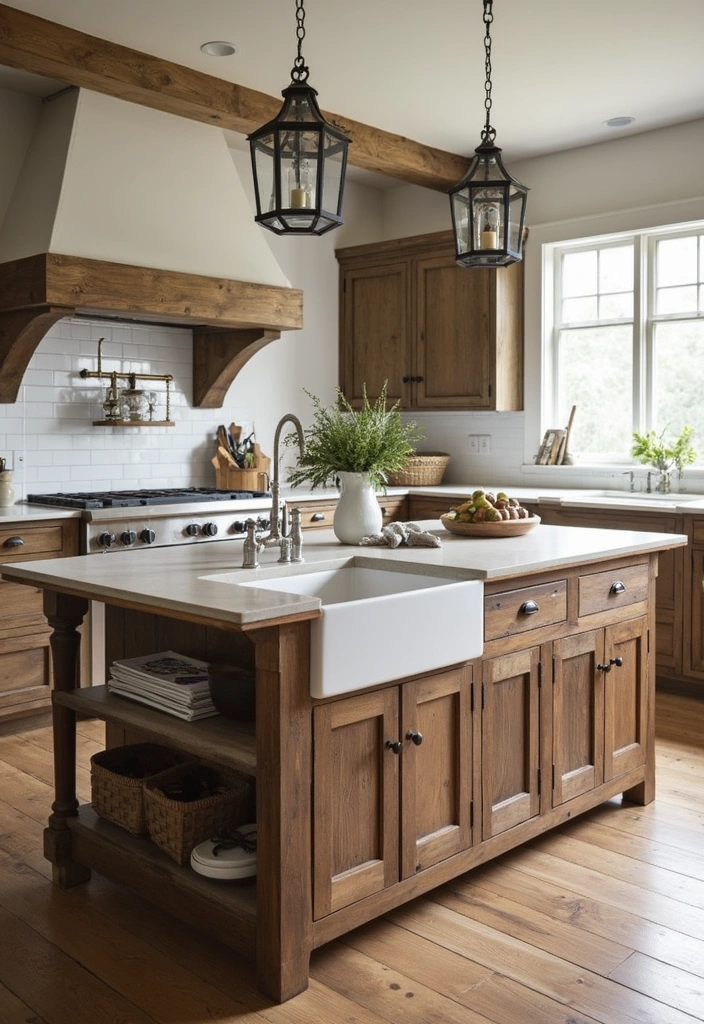
A kitchen without an island can feel like a story missing its most compelling chapter. The island is where morning coffee cups land, where kids do homework while you stir a pot on the stove, and where friends inevitably gather at parties—even when you’ve set the buffet in the dining room. A rustic kitchen island goes further than a standard prep surface. It wraps all that daily living in natural grain, hand-hewn texture, and a sense of permanence that instantly makes a room feel anchored and lived in. In a design world that moves quickly through trends, the rustic aesthetic endures because it connects us to materials that age beautifully rather than just withstand wear.
According to the 2024 Houzz Kitchen Trends Study, searches for “rustic kitchen island” surged 34% compared to the previous year, reflecting a broad desire for kitchens that feel personal, tactile, and calm. If you have been circling the idea of adding one of these pieces to your home—whether a freestanding furniture-style island on casters or a built-to-last installation with stone countertops—this article will walk you through every practical consideration, from wood selection and sizing to maintenance and styling, so you can choose a rustic kitchen island that performs as hard as it charms.
What Defines a True Rustic Kitchen Island and Why It Matters
Before clicking through online listings, it’s worth understanding exactly what separates a genuine rustic kitchen island from a standard island that happens to have a dark stain. Rustic design, in its most meaningful sense, isn’t about heavily distressing a new piece of pine until it looks beat up. Authentic rustic furniture emphasizes unprocessed natural beauty, visible grain patterns, solid wood construction, and joinery that honors the material rather than hiding it.
A high-quality rustic kitchen island often features reclaimed wood—barn beams, old floorboards, or salvaged factory lumber—that brings with it a unique history of nail holes, saw marks, and subtle color variation that cannot be replicated in a factory assembly line. The legs may be turned, square, or chunky block posts; the surface might be a thick slab of end-grain butcher block or oil-finished oak; the hardware is typically matte black, oil-rubbed bronze, or wrought iron.
This matters because the kitchen island is arguably the most physically interacted-with piece of furniture in your home. You will touch it every single day. A rustic kitchen island built from solid wood and finished with natural oil or low-VOC lacquer feels warm under your palms and resists showing the small scratches and dings that would ruin a glossy factory finish.
More importantly, real wood develops a patina with use—a soft glow around the edges where hands rest and a subtle darkening in areas exposed to natural oils from cooking. This living quality is exactly why so many homeowners spend weeks searching for the right rustic kitchen island so they can watch it grow more beautiful with time instead of needing replacement after a few years.
Wood Types, Finishes, and the Anatomy of a Long-Lasting Rustic Kitchen Island
Choosing the wood for your rustic kitchen island is both an aesthetic and a mechanical decision. Different species handle moisture, knife marks, and daily scrubbing very differently. Understanding the properties of the most common woods will save you from spending thousands on a piece that warps or stains within the first year.
Reclaimed Barnwood (Oak, Pine, or Mixed)
This is the gold standard for a rustic look. Genuine reclaimed wood comes with an existing patina that no stain can imitate—silver-gray weathering, tight grain from slow-grown old-growth timber, and a dimensional stability that only decades of drying can provide. Reclaimed barn oak is extremely hard and resists denting, while reclaimed pine is softer and will show marks more easily, which some homeowners appreciate as it adds to the story. When you purchase an authentic rustic kitchen island made from reclaimed materials, check that the manufacturer has kiln-dried the wood after reclaiming it to eliminate any pests or moisture that could cause cracking indoors. (Source: rustic kitchen island material guide from Woodcraft)
Solid Oak and Hard Maple
For those who want rusticity without the unpredictability of reclaimed stock, new solid oak and maple are excellent choices. Oak offers dramatic grain patterns that catch stain beautifully, while maple has a more subtle, even texture that can be wire-brushed to bring out a timeworn feel. Both are heavy, incredibly durable, and hold up to daily chopping if you choose an end-grain butcher block top. A high-end rustic kitchen island frequently pairs a solid maple work surface with a painted or distressed base for contrast.
Pine and Mango Wood
Pine is budget-friendly and accepts rustic distressing easily, but it is a soft wood. Within a busy kitchen, a pine island will gather dents and scratches that some love as character and others find worrisome. Mango wood, often sourced from sustainable plantations in India, has a striking, multi-toned grain and hardness comparable to oak, making it a rising star in the rustic kitchen island market. It typically appears in furniture-style islands with open shelving and turned legs.
| Wood Species | Hardness (Janka Rating) | Distressing Potential | Relative Cost | Best For |
|---|---|---|---|---|
| Reclaimed Oak | 1,290 | Very High (natural) | High | Statement pieces, forever homes |
| Solid Maple | 1,450 | Moderate | High-Mid | Heavy-use prep islands, butcher block |
| Mango Wood | 1,070 | High | Mid | Carved details, sustainable choices |
| Solid Pine | 690 | Very High (man-made) | Low-Mid | Light-use islands, budget-friendly |
The finish is equally important. An oil finish (tung oil, linseed oil, or food-safe mineral oil) penetrates the wood and is easy to repair—simply rub more oil into scratches. A lacquer or polyurethane finish creates a hard shell that resists water but can peel if damaged, requiring a full sanding to fix. Many manufacturers of high-traffic rustic kitchen island designs now offer a conversion varnish that combines the sheen of an oil finish with the durability of a catalyzed topcoat. This is a key spec to ask about before ordering.
Sizing and Layout: How to Fit a Rustic Kitchen Island Into Any Kitchen Shape
The notion that a rustic kitchen island only works in a sprawling farmhouse kitchen is one of the most persistent myths in home design. In reality, the island’s dimensions and mobility matter far more than square footage. The National Kitchen and Bath Association (NKBA) recommends a minimum of 36 inches of clearance on all sides of an island for a single-cook kitchen and at least 42 inches for a kitchen with multiple cooks. Even a galley kitchen or a modest L-shaped layout can accommodate a well-proportioned rustic piece if you follow these spacing rules faithfully.
Suggested read: Why a Stainless Steel Kitchen Wash Basin Is the Best Investment You'll Ever Make for Your Home
- Small Kitchen (Under 150 sq ft): Look for a compact rustic kitchen island on locking casters. Dimensions around 36 to 48 inches long, 24 to 27 inches deep, and 34 to 36 inches high (standard counter height) provide a meaningful prep surface without blocking traffic. Many furniture-style islands in this size range include open shelves, a towel bar, and a single drawer, essentially functioning as a movable workstation that can be pushed against a wall when not in use.
- Medium Kitchen (150–250 sq ft): A fixed island measuring 48 to 60 inches long and 27 to 30 inches deep becomes the true anchor of the room. At this size, you can incorporate features like a microwave shelf, wine rack, deep pull-out trash bins hidden behind cabinet doors, and seating for two with a 12-inch overhang. The rustic kitchen island here transitions from a simple table to a multi-functional hub.
- Large Kitchen (Over 250 sq ft): Here you have the freedom to commission or purchase a substantial rustic kitchen island that includes a prep sink, under-counter refrigeration drawers, and generous seating for four or more. Islands over 7 feet long in rustic design often appear as reclaimed wood furniture pieces integrated with stone countertops, creating a beautiful contrast between the cool, honed stone and the warm, textured wood base.
A common mistake is buying an island that is proportionally too deep for the space. A 30-inch depth is comfortable for seating on one side, but if your aisle clearance drops below 36 inches behind the stools, guests will feel cramped. Always map out the footprint using blue painter’s tape on the floor before committing. And remember that a rustic piece with a lighter visual weight—open shelving instead of solid cabinet doors, turned legs instead of blocky panels—will feel less massive in a tight space while still delivering the sought-after rustic kitchen island character.
Case Study: How One Family’s Weekend Kitchen Gained Soul with a Reclaimed Wood Island
The Martinez family in Austin, Texas, had a perfectly serviceable kitchen: white quartz countertops, shaker cabinets in a soft gray, and brushed nickel fixtures. Yet despite the renovation they had completed two years earlier, the room still felt sterile—more like a showroom than a place where tamales were made from scratch every Christmas. “We didn’t have a place where people could just sit and peel garlic with me while I cooked,” Mrs. Martinez explained. They lacked an island, and the open floor plan left the kitchen visually adrift between the living room and dining area.
After measuring their available space, they ordered a 54-inch-long rustic kitchen island made from reclaimed longleaf pine with a natural oil finish and contrasting matte black legs. The island featured two open shelves that now hold cast-iron skillets and woven baskets of potatoes and onions, plus a single deep drawer for linens. They positioned it centrally, with 40 inches of clearance on three sides, and added two backless counter-height stools in tobacco-brown leather.
“The change was instant,” Mrs. Martinez shared. “Suddenly the kitchen had a gathering spot. The wood brought in this warmth that made the white counters and gray cabinets feel intentional instead of cold. Our kids do homework there, my husband drinks his coffee there, and Christmas prep became a party because everyone could pull up a stool.”
The Martinez transformation illustrates a core truth about a rustic kitchen island: it’s not just extra counter space. It’s the emotional center that a kitchen often lacks when every surface is hard, shiny, and identical. The reclaimed pine, with its knots and nail holes, anchored the room in a way that no high-gloss island ever could. And from a practical standpoint, the natural oil finish on the top meant that when a hot sheet pan left a faint ring, Mrs. Martinez simply rubbed a little butcher block oil into the spot and it vanished into the patina.
Mastering Rustic Kitchen Island Styling: Expert Insights for a Cohesive Look
A rustic kitchen island is a powerful design element that pulls focus. To keep it from overpowering the room or looking like a prop, you need to layer in textures and materials that speak the same earthy language. Here are five core strategies used by professional kitchen designers:
- Contrast the Countertop: If your perimeter countertops are stone or quartz, let the island’s wood top shine. If your room already has a lot of wood (floors, open shelving, exposed beams), consider topping your rustic kitchen island with soapstone or honed granite in a dark charcoal hue. The contrast between stone and the rustic wood base ensures the piece feels grounded, not repetitive.
- Lighting That Invites Loitering: A pair of industrial pendant lights with blackened iron or aged brass finishes hung low over the island defines the zone and adds the right amount of moody light. For a truly transactional rustic kitchen island setup, install dimmable warm-LED pendants at 2700K to illuminate the wood’s grain and make food look irresistible.
- Seating That Tells a Story: Metal counter stools with a bronze patina, rush-seat stools, or a chunky wood bench all reinforce the rustic narrative. Avoid high-tech plastics or sleek high-gloss finishes that fight the island’s soul.
- Practical Styling Through Use: The most beautiful rustic islands aren’t stages for decorative objects; they’re functional. A large wooden dough bowl filled with seasonal fruit, a crock of wooden spoons, and a vintage-style scale create a still life that feels inevitable rather than arranged. This kind of living styling makes a rustic kitchen island feel like it has always belonged.
- Hardware Harmony: If the island features cup pulls, latches, or knobs, match their finish to the dominant metal in the kitchen. Black iron, oil-rubbed bronze, and antique brass all work. A consistent finish across the island, cabinet hardware, and light fixtures makes the kitchen feel collected rather than chaotic.
Maintaining Your Rustic Kitchen Island Through Years of Daily Use
There is a difference between neglect and patina. A well-cared-for rustic kitchen island will look better at year ten than it did on delivery day—provided you follow simple maintenance habits that protect the wood without stripping its character.
- Daily Wipe-Down: Use a damp, soft cloth with a small amount of mild dish soap to clean food debris and spills. Immediately dry the surface with a separate cloth. Standing water is the enemy of any wood surface, so never let it evaporate on the grain.
- Monthly Oil Massage (For Oil-Finished Tops): Apply food-grade mineral oil or a dedicated butcher block oil generously, let it soak for several hours or overnight, then buff away any excess. This replenishes the wood’s natural resistance to moisture and keeps the surface from drying out and cracking. For a rustic kitchen island that sees heavy chopping, this is non-negotiable.
- Scratch and Stain Repair: Light scratches can often be rubbed out with a walnut—the natural oils darken and fill the scratch. For deeper marks, lightly sand with fine-grit sandpaper (220 grit or higher) following the grain, then reapply oil. Avoid spot-sanding if your island has a factory lacquer finish; instead, consult the manufacturer’s touch-up kit.
- Seasonal Waxing: Twice a year, apply a thin layer of beeswax or a wood wax balm to the entire wood surface and buff it with a microfiber cloth. This creates an additional moisture barrier and gives the rustic kitchen island a subtle, glowing sheen that deepens the grain.
One piece of advice that frequently gets ignored: do not place hot pots directly from the stove onto a wood-topped island. Despite what rustic imagery suggests, extreme heat can scorch wood fibers and leave a permanent black mark. Use trivets or a permanently stationed rustic wooden board as a hot pad. This small precaution keeps your rustic kitchen island looking intentional, not accidentally abused.
Where to Find an Authentic Rustic Kitchen Island and What to Ask Before Buying
The market for a rustic kitchen island ranges from mass-produced pieces at big-box retailers to custom commissions from Amish woodshops and independent artisans. Each path offers different advantages. At large retailers like Wayfair, Home Depot, and Pottery Barn, you’ll find hundreds of SKUs with rapid shipping and customer reviews that can reveal construction quality of a specific piece. Many of these options come in pre-determined sizes and finishes, so if you find one that matches your exact needs, it’s a fast route. (Source: rustic kitchen island selections at Home Depot)
Alternatively, working with a local woodworker or a dedicated online shop like Etsy allows you to customize every dimension and choose your exact slab. This is especially important if your kitchen has non-standard clearances or if you want a truly unique piece of reclaimed wood with a traceable provenance. When speaking with any seller, ask these specific questions:
- Is the wood kiln-dried and what is the current moisture content? (Ideal is 6–8% for indoor use.)
- What finish is used on the top, and is it food-safe if I plan to knead dough directly on it?
- Are the joints reinforced with traditional joinery (mortise and tenon, dovetail) or just screws and glue?
- Do you offer a warranty against cracking the wood top within the first year as it acclimates to the home?
- Can I see a photo of a rustic kitchen island you built two or three years ago to see how the finish ages?
The patience required to get the right answers is a small investment compared to the decades you’ll spend with the island. A well-built rustic kitchen island isn’t a decor item that gets swapped out when trends shift; it becomes a permanent member of the household, holding memories in every scratch and water ring.
Frequently Asked Questions About Rustic Kitchen Islands
What is the best wood for a rustic kitchen island that will see heavy daily use? Hard maple and reclaimed oak are the top performers for durability. Maple is dense enough to resist knife marks and absorbs minimal moisture, while properly sealed reclaimed oak offers exceptional hardness and naturally aged beauty. Both pair well with a food-safe mineral oil finish for maintenance ease.
Suggested read: Best Kitchen Wrap Brand: What to Use, What to Buy, and Why It Actually Matters
Can a rustic kitchen island be used as a dining table? Absolutely, with the right dimensions. If you intend to use your rustic kitchen island for full family meals, look for a piece that is at least 36 inches wide in the seating area and has a 12- to 15-inch overhang for knee room. Counter-height (36 inches) is standard for kitchen islands, while table-height (30 inches) is lower and requires different stools. Decide which function matters most before buying.
Do I need to seal a rustic kitchen island with a clear coat? It depends on the wood and your lifestyle. An oil finish allows easy spot repair but demands more frequent re-oiling. A satin conversion varnish seals the wood completely and needs almost no upkeep beyond wiping, but it cannot be spot-repaired. Many households opt for an oiled butcher block top on a rustic kitchen island because the patina it develops is considered part of the charm.
How do I incorporate a rustic kitchen island into a modern kitchen without it clashing? Choose a rustic island with clean, simple lines—square legs instead of heavily turned ones, and a wire-brushed rather than heavily distressed finish. The wood will still bring warmth, but the silhouette will read as modern farmhouse or transitional. Add sleek metal stools and a single material countertop to tie the look together.
Are rolling rustic kitchen islands stable enough for heavy prep work? High-quality locking casters on a heavy solid-wood island are very stable when locked. Look for casters rated for the full weight of the piece plus your expected downward force. For extra security, choose a rustic kitchen island with larger wheels (3 inches or more) and a wide, low center of gravity, which prevents any wobble during kneading or chopping.
Can I put a sink or cooktop in a rustic kitchen island? Yes, many custom builders can integrate a prep sink or a downdraft cooktop into a rustic island. This requires engineering the base to support plumbing or ventilation and protecting the wood from moisture with a stone or metal insert around the sink. If this is your vision, commission the piece from a professional who has done similar installations before.
Bring Home a Rustic Kitchen Island That Feels Like It’s Always Been Yours
There is a quiet confidence that comes with a kitchen built around natural materials and honest workmanship. A rustic kitchen island isn’t just another piece of furniture; it becomes the spot where your morning starts and your evening winds down, where groceries get sorted and conversations stretch long into the night. The right island adds none of the maintenance stress of a high-gloss finish while giving you generous storage, a durable work surface, and the kind of beauty that does not fade with trends.
We invite you to explore our full collection of hand-selected, solid-wood rustic kitchen island designs—from compact rolling carts to grand reclaimed timber centerpieces. Every piece in the collection meets strict standards for sustainably sourced materials, traditional joinery, and a natural finish that will grow richer with time. Shop the Rustic Kitchen Island Collection now and enjoy complimentary design assistance and free standard delivery on orders over $1,500. Make your kitchen the room everyone wants to stay in.

Author and contributor.
