
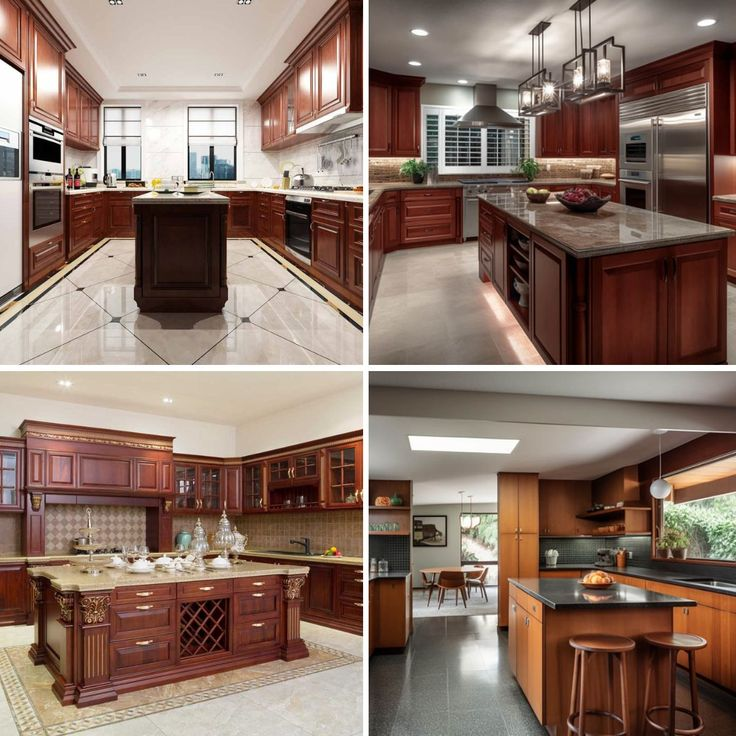
“The kitchen is the heart of the home — and the cabinets are its backbone.” — Interior Design Proverb
If you’ve been scrolling through kitchen remodel ideas lately, chances are you’ve stopped dead in your tracks at photos of rich, warm cherry kitchen cabinets. There’s just something about that deep reddish-brown wood grain that makes a kitchen feel both luxurious and lived-in at the same time. It’s the kind of look that says “I take cooking seriously” without being stuffy about it.
But here’s the thing — choosing cherry wood cabinets for your kitchen is a big decision. We’re talking about an investment that can run anywhere from a few thousand dollars to well over $30,000 depending on your kitchen size and cabinet style. So before you swipe your card or sign any contracts, you really need to understand what you’re getting into.
In this post, we’re going to break down everything — the good, the not-so-great, the style options, the costs, the maintenance, and a whole lot more. By the time you’re done reading, you’ll know exactly whether cherry kitchen cabinets are the right fit for your home.
What Are Cherry Kitchen Cabinets, Exactly?
Before we dive into all the fun design stuff, let’s make sure we’re on the same page about what cherry wood kitchen cabinets actually are.
Cherry cabinets are made from the wood of the Prunus serotina tree, commonly known as the American Black Cherry tree. It’s a hardwood that’s been used in fine furniture-making for centuries, and for good reason. The wood starts out with a light pinkish-tan color when freshly cut, but here’s where it gets interesting — cherry wood darkens significantly over time as it’s exposed to light. What starts as a light blush tone slowly deepens into a rich, warm reddish-brown that most people associate with traditional cherry wood.
This natural patina effect is one of the most unique and desirable qualities of cherry wood cabinets. You’re essentially getting a material that gets better with age, which is a pretty rare quality in any home material.
Key characteristics of cherry wood:
- Janka Hardness Rating: 950 lbf (moderate hardness — softer than maple, harder than pine)
- Grain Pattern: Fine, straight grain with occasional wavy or curly patterns
- Color Range: Light pinkish-tan (new) to deep reddish-brown (aged)
- Origin: Primarily Eastern United States and Canada
- Weight: Medium density — easier to work with than oak or hickory
Cherry vs. Other Popular Cabinet Woods
| Wood Type | Hardness (Janka) | Color | Price Range | Best For |
|---|---|---|---|---|
| Cherry | 950 lbf | Reddish-brown | $$–$$$ | Traditional, transitional |
| Maple | 1,450 lbf | Light tan/cream | $–$$ | Modern, contemporary |
| Oak | 1,290 lbf | Golden brown | $–$$ | Rustic, traditional |
| Walnut | 1,010 lbf | Dark chocolate | $$$–$$$$ | Modern, mid-century |
| Hickory | 1,820 lbf | Varied, streaky | $$–$$$ | Rustic, farmhouse |
| MDF (painted) | N/A | Any color | $ | Modern, minimalist |
Why Homeowners Love Cherry Kitchen Cabinets
So what’s all the fuss about? Why do so many people choose cherry wood kitchen cabinets over all the other options out there? Here are the big reasons:
1. That Unmatched Visual Warmth
There’s no other wood that creates the same kind of warm, inviting atmosphere as cherry. The reddish undertones naturally complement a wide range of kitchen styles, from classic farmhouse to upscale transitional designs. It adds a sense of depth and richness that painted cabinets and laminate finishes just can’t replicate.
2. The Aging Process Is a Feature, Not a Bug
Most building materials show wear as a downside. Cherry wood is different. The darkening that happens naturally over years of light exposure actually makes the cabinets look more expensive and refined over time. Many homeowners say their cherry cabinets look better after 10 years than they did when first installed.
Suggested read: Kitchen Ductless Range Hoods: Everything You Need to Know Before You Buy
3. Durability That Holds Up
With a Janka hardness rating of 950, cherry isn’t the toughest wood out there, but it’s certainly durable enough for kitchen use. It resists everyday wear pretty well, and minor scratches can often be buffed out or touched up without a full refinish.
4. Excellent Resale Value
According to Remodeling Magazine’s Cost vs. Value Report, a major kitchen remodel recoups an average of 54–72% of its cost at resale. Cherry cabinets specifically tend to appeal to buyers looking for higher-end finishes, which can make your home stand out in a competitive market.
5. Incredible Versatility in Design
Despite what some people think, cherry kitchen cabinets aren’t just for traditional or old-fashioned kitchens. With the right hardware, countertops, and paint colors, they can work beautifully in transitional and even some contemporary settings.
Types of Cherry Kitchen Cabinets: Finding Your Style
Not all cherry cabinets for the kitchen look the same. There’s a surprisingly wide range of styles and finishes to choose from, and picking the right one makes all the difference.
Natural/Unstained Cherry Cabinets
This is the purest expression of cherry wood — no stain, just a clear coat to let the natural color and grain shine through. When new, these cabinets have a light, almost peachy tone that gradually deepens into that signature reddish-brown. If you love the idea of a living material that evolves, this is your pick.
Best paired with: White or cream countertops, stainless steel appliances, light-colored backsplash tiles.
Stained Cherry Kitchen Cabinets
Many homeowners choose to apply a stain to their cherry cabinets to either deepen the color immediately, achieve a more consistent look, or push the tone in a different direction. Common stain colors for cherry include:
- Dark walnut stain — for an ultra-rich, moody look
- Medium brown stain — enhances the natural cherry without overpowering it
- Light or honey stain — keeps the cabinets bright and airy
- Glazed finish — adds antique depth and dimension
Painted Cherry Cabinets
Yes, some people do paint over cherry wood. While this might seem like a waste of beautiful grain, it’s actually a smart choice if you want the structural quality of cherry wood with a more modern or neutral aesthetic. White, cream, sage green, and navy are all popular painted cherry cabinet colors.
Raised Panel Cherry Cabinets
The raised panel door style is the most traditional look for cherry kitchen cabinets. The center panel is elevated from the frame, creating a classic, three-dimensional appearance. This style is especially popular in:
- Colonial and Federal-style homes
- Traditional American kitchens
- Formal dining kitchens
Shaker-Style Cherry Cabinets
Shaker doors feature a flat center panel with a simple, clean frame — and they’ve exploded in popularity over the last decade because they bridge the gap between traditional and modern. Cherry shaker kitchen cabinets have a more restrained, less ornate look while still showcasing the wood’s natural beauty.
Recessed Panel Cherry Cabinets
The opposite of raised panel — the center panel sits below the frame. This creates a lighter, more casual look that works well in transitional and cottage-style kitchens.
How Much Do Cherry Kitchen Cabinets Cost?
Let’s talk numbers, because this is usually where people start having second thoughts. Cherry wood kitchen cabinets are not cheap — but they’re also not as out-of-reach as you might think if you know where to look.
Suggested read: Outdoor Kitchen Sink: Everything You Need Before You Buy (2025)
Cherry Cabinet Cost Breakdown
| Cabinet Type | Price Per Linear Foot | Average Kitchen (20 LF) |
|---|---|---|
| Stock cherry cabinets | $100–$300 | $2,000–$6,000 |
| Semi-custom cherry cabinets | $300–$600 | $6,000–$12,000 |
| Custom cherry cabinets | $600–$1,500+ | $12,000–$30,000+ |
| Cherry veneer cabinets | $75–$200 | $1,500–$4,000 |
| RTA (Ready to Assemble) cherry | $80–$250 | $1,600–$5,000 |
Note: These prices are for cabinets only and don’t include installation, countertops, hardware, or other kitchen renovation costs.
Factors That Affect the Price
Several things can push the cost of your cherry kitchen cabinets higher or lower:
- Door style: Raised panel and carved details cost more than flat shaker doors
- Cabinet construction: Dovetail joinery and plywood boxes cost more than staple-and-nail particleboard
- Hardware: Soft-close hinges and drawer glides add $5–$20 per door/drawer
- Finish complexity: Glazed, distressed, or hand-rubbed finishes add labor costs
- Brand and manufacturer: Local custom shops vs. national brands vary widely
- Installation: Professional installation typically adds 30–50% to cabinet costs
Cherry Kitchen Cabinets Design Ideas: Real-World Inspiration
Now for the fun part — let’s look at how cherry kitchen cabinet styles actually come together in real kitchens.
Traditional Cherry Kitchen with White Countertops
One of the most classic and timeless combinations is dark cherry cabinets paired with bright white countertops — think marble, quartz, or solid surface. The contrast is dramatic and elegant. Add cream subway tile backsplash, oil-rubbed bronze hardware, and warm hardwood floors to complete the look.
Key elements:
- Cherry cabinets (raised panel, natural or medium stain)
- White Carrara marble or quartz countertops
- Cream subway tile or stone backsplash
- Oil-rubbed bronze or antique brass hardware
- Hardwood or travertine floors
Transitional Cherry Kitchen with Gray Accents
For a more updated take on cherry, pair your cabinets with cool gray elements to balance the warm wood tones. Gray quartz countertops, a gray or blue-gray backsplash, and brushed nickel hardware create a sophisticated, balanced palette.
Key elements:
- Cherry shaker cabinets (lighter stain or natural)
- Gray or white quartz countertops
- Gray or white subway tile backsplash
- Brushed nickel or chrome hardware
- Stainless steel appliances
Cherry Cabinets with Black Granite
This is a bold, drama-forward combo that works beautifully in larger kitchens with good lighting. The dark granite picks up the deep tones in the cherry wood and creates a moody, luxurious atmosphere.
Key elements:
- Deep-stained cherry cabinets
- Black or dark brown granite countertops
- Travertine or mosaic stone backsplash
- Bronze or black hardware
- Pendant lighting with warm bulbs
Case Study: The Remodel That Added $40K in Home Value
“We were hesitant about cherry cabinets because our house is a 1990s Colonial and we thought it might feel dated. But our designer convinced us to go with natural cherry shaker-style cabinets with quartz countertops and brushed nickel hardware. When we listed our house two years later, our real estate agent said the kitchen was the number one thing buyers commented on. We listed at $375K and accepted an offer at $412K.” — Jennifer M., homeowner in suburban Connecticut
This kind of outcome isn’t unusual. A well-executed cherry kitchen cabinet installation in the right home can meaningfully move the needle on perceived value and actual sale price.
What Paint Colors Go With Cherry Kitchen Cabinets?
If you’re working with cherry cabinets and need to choose wall colors, this section is for you. The warm reddish-brown tones of cherry wood can clash with certain colors but look stunning with others.
Suggested read: No 1 Chinese Kitchen: Everything You Need to Know Before You Order
Best Wall Colors for Cherry Kitchen Cabinets
Warm neutrals (safest and most popular):
- Benjamin Moore Pale Oak OC-20 — warm greige that’s endlessly versatile
- Sherwin-Williams Accessible Beige SW 7036 — classic warm tan
- Benjamin Moore White Dove OC-17 — soft white that doesn’t clash
Earthy greens (surprisingly gorgeous):
- Farrow & Ball Mizzle 266 — a complex sage-green
- Sherwin-Williams Rosemary SW 6187 — deep, rich green
- Benjamin Moore Aganthus Green HC-120 — muted, sophisticated
Deep blues and navy (bold choice that works):
- Benjamin Moore Hale Navy HC-154 — classic navy
- Sherwin-Williams Naval SW 6244 — deep blue-black
- Farrow & Ball Hague Blue 30 — moody and luxurious
Colors to avoid:
- ❌ Bright red or orange — clashes with cherry’s natural undertones
- ❌ Cool purple or lavender — fights with the warm wood tones
- ❌ Stark, cool white — can make cherry look orange
How to Care for and Maintain Cherry Kitchen Cabinets
Here’s the deal — cherry wood isn’t high-maintenance, but it does need a bit of attention to keep looking its best. The good news is that the daily care routine is pretty simple.
Daily & Weekly Cleaning
- Wipe down with a damp cloth after cooking to remove grease and steam
- Avoid harsh chemical cleaners like bleach, ammonia, or abrasive scrubs — they’ll strip the finish
- Use a mild dish soap diluted in water for a deeper clean
- Dry immediately after wiping — standing water can cause warping or finish damage
- Never use steam cleaners on wood cabinets
Monthly Maintenance
Once a month, you can apply a cabinet wood cleaner and conditioner (products like Murphy Oil Soap, Howard Feed-N-Wax, or Guardsman Wood Furniture Cleaner work well). This keeps the wood from drying out and helps maintain the finish.
Long-Term Care
- Refinishing: Cherry cabinets can be professionally refinished every 10–15 years to restore luster and address any major scratches or wear
- Touch-up markers: For small scratches, cherry-tinted touch-up markers are widely available and easy to use
- UV exposure management: While light exposure is what causes cherry’s beautiful patina, extreme direct sunlight can cause uneven darkening. Consider UV-filtering window treatments if you have large south-facing windows
Protecting the Interior
Don’t forget the inside of your cabinets too:
- Use shelf liners to prevent scratching from pots and pans
- Avoid overloading shelves — most cherry cabinet boxes are rated for 50–75 lbs per shelf
- Keep cleaning products stored in a separate area to prevent chemical fumes from affecting the finish
Pros and Cons of Cherry Kitchen Cabinets: The Honest Take
Let’s be real for a second. Cherry cabinets are beautiful, but they’re not perfect for every kitchen or every homeowner. Here’s an honest breakdown:
✅ Pros
- Stunning natural beauty with a unique grain pattern
- Gets better-looking with age through natural darkening
- Durable enough for everyday kitchen use
- Excellent workability — takes stain and finish beautifully
- High perceived value that appeals to buyers
- Versatile — works in traditional, transitional, and some contemporary designs
- Can be refinished multiple times over its lifetime
❌ Cons
- Higher cost compared to oak, maple, or MDF alternatives
- Uneven darkening can occur if parts of cabinets are shaded differently
- Softer than maple or hickory — more susceptible to dents from heavy impacts
- Color shift can be jarring if you add new cabinets years later (they won’t match)
- Not ideal for ultra-modern kitchens — the warm wood tone can feel out of place
- Requires more attention than painted cabinets for maintenance
- Limited availability of truly matched replacements if you need them later
Are Cherry Kitchen Cabinets Out of Style?
This is the question we get asked constantly, and honestly? The answer depends entirely on your kitchen’s style, your home’s architecture, and your personal taste.
The honest truth: Cherry cabinets had a massive surge in popularity in the 1990s and 2000s — especially the dark-stained, raised-panel styles. That very specific aesthetic has fallen a bit out of favor in the era of all-white kitchens and flat-front minimalism.
However, natural and lighter cherry wood with more modern door profiles (like Shaker) is absolutely having a moment right now, fueled by the broader trend toward warm, organic materials in interior design. The move away from stark, cold white kitchens has genuinely brought wood-toned cabinets back into fashion.
Cherry kitchen cabinets are timeless when:
Suggested read: White Kitchen Sink: Everything You Need to Know Before Buying in 2026
- You choose a more modern door style (Shaker or slab)
- You use lighter stains or natural finishes
- You pair them with updated countertops and hardware
- You work with a designer who understands balance and contrast
They can feel dated when:
- The style is heavy raised-panel with elaborate carved details
- Combined with dark granite and yellow walls (very 2005)
- Every surface is the same wood tone (no contrast, no relief)
Where to Buy Cherry Kitchen Cabinets
Ready to start shopping? Here’s a breakdown of your main options for purchasing cherry kitchen cabinets:
Big Box Stores (IKEA, Home Depot, Lowe’s)
These retailers offer cherry or cherry-look cabinet options at lower price points, usually as stock or semi-custom. Great for budget-conscious remodels, but limited in customization.
Online Cabinet Retailers
Sites like Cabinets To Go, Kitchen Cabinet Kings, and RTA Cabinet Store offer a wide range of cherry cabinet styles at competitive prices with delivery. RTA (ready-to-assemble) options can save significant money.
Local Cabinet Shops and Custom Manufacturers
For the highest quality and fullest customization, working with a local custom cabinet maker is the gold standard. You get input on every detail — wood species, construction method, finish, hardware, and sizing.
Semi-Custom Cabinet Lines
Brands like KraftMaid, Merillat, Wellborn, and Medallion offer semi-custom cherry cabinets through kitchen showrooms and dealers. These hit the sweet spot between stock and full custom in terms of options and price.
Cherry Kitchen Cabinets: Installation Tips
Whether you’re doing a DIY install or hiring a professional, here are a few things to keep in mind:
- Acclimate the wood first — let cherry cabinets sit in your home for 48–72 hours before installation so they adjust to your home’s humidity level
- Check for square walls — older homes especially can have walls that are out of plumb, which complicates installation
- Install upper cabinets first — always start with uppers to avoid having to work around base cabinets
- Use a level religiously — even small deviations look obvious with wood grain cabinets
- Leave light exposure consistent — if possible, position cabinets so they all receive similar light to ensure even patina development
- Use cherry-appropriate touch-up products from day one — keep them on hand for installation scratches
Cherry Kitchen Cabinets FAQs
Do cherry kitchen cabinets darken over time?
Yes — this is one of the most distinctive and beloved characteristics of cherry wood. When first installed, cherry kitchen cabinets are typically a light pinkish-tan color. Over months and years of exposure to light (even indirect light), the wood naturally deepens into a rich, warm reddish-brown. This process, called photosensitive oxidation, is completely normal and is considered a desirable feature by most cherry wood enthusiasts. The darkening is irreversible, but it makes the wood look more luxurious over time.
Are cherry kitchen cabinets expensive?
Compared to maple or oak, yes — cherry kitchen cabinets are generally in the mid-to-high price range for wood cabinet materials. Stock cherry cabinets start around $100–$300 per linear foot, while custom cherry cabinets can cost $600–$1,500 or more per linear foot. For a typical 20-linear-foot kitchen, you’re looking at a range of roughly $2,000 on the low end for basic stock options up to $30,000+ for fully custom work.
Are cherry kitchen cabinets out of style?
Not at all — but the style of cherry cabinet matters. Heavy, dark-stained raised-panel cherry cabinets can feel dated if paired with old-school design elements. But cherry wood kitchen cabinets in lighter natural finishes and modern Shaker door profiles are very much on-trend right now, especially with the interior design world’s current embrace of warm, natural materials.
What countertops go best with cherry kitchen cabinets?
The most popular and universally successful countertop pairings for cherry kitchen cabinets are:
- White or light gray quartz (creates strong contrast)
- Marble or marble-look quartz (classic and elegant)
- Black or dark granite (bold and dramatic)
- Butcher block (warm and organic)
- Light concrete (modern and grounding)
Can you paint cherry kitchen cabinets?
Technically yes — cherry wood can be painted. But here’s the honest answer: it’s a shame to cover beautiful cherry grain with paint, and cherry’s natural resins can sometimes cause adhesion problems with paint if the wood isn’t properly prepped and primed. If you’re considering painting your cherry cabinets, work with a professional who has experience with hardwood painting projects. Alternatively, if you’re buying new cabinets and want painted finishes, start with a wood like maple or MDF that takes paint more easily.
How do I clean cherry kitchen cabinets?
Clean cherry kitchen cabinets with a soft damp cloth and mild dish soap. Avoid harsh chemicals, abrasive scrubbers, and steam cleaners. For monthly conditioning, use a quality wood furniture cleaner like Howard Feed-N-Wax or Murphy Oil Soap. Always dry the surface immediately after wiping to prevent moisture damage.
How long do cherry kitchen cabinets last?
With proper care, solid cherry wood kitchen cabinets can last 50 years or more. Cherry is a durable hardwood that can be refinished multiple times, giving it an exceptionally long lifespan compared to painted MDF or thermofoil cabinet alternatives.
Do cherry cabinets go with stainless steel appliances?
Yes — cherry wood kitchen cabinets and stainless steel appliances can look beautiful together. The cool metallic tone of stainless actually provides a nice contrast to cherry’s warm reddish tones. The key is balancing the warmth with enough cool elements (stainless appliances, light countertops, lighter backsplash) so the overall kitchen doesn’t feel too heavy or dark.
Final Thoughts: Are Cherry Kitchen Cabinets Right for You?
If you’ve made it this far, you clearly have a serious interest in cherry kitchen cabinets — and honestly, that interest is well-founded. Cherry is one of the most beautiful, distinctive, and enduring materials you can choose for a kitchen. When done right, cherry cabinets transform a kitchen from a functional space into something that genuinely feels like the heart of a home.
But cherry cabinets aren’t for everyone. If your home has a strongly modern or industrial aesthetic, you might find the warm wood tones a tough fit. If you’re on a tight budget, the higher cost of cherry versus maple or oak is worth factoring in. And if you plan to sell your home within a year or two, it’s worth researching your local buyer preferences first.
For most homeowners, though — especially those with traditional, transitional, or craftsman-style homes — cherry kitchen cabinets are a genuinely excellent investment. They add beauty, warmth, durability, and character to a kitchen in a way that few other materials can match.
🛒 Ready to Transform Your Kitchen with Cherry Cabinets?
Don’t wait to start planning your dream kitchen. Whether you’re just beginning to explore your options or you’re ready to get quotes from local cabinet makers, the best first step is to see cherry kitchen cabinets in person. Visit a local kitchen showroom, request sample door swatches, and hold them up against your walls, countertops, and flooring.
Take action today:
- 📐 Measure your kitchen and create a basic layout
- 🎨 Pull together a design inspiration board
- 🏪 Visit 2–3 local showrooms to see cherry cabinet samples
- 💬 Get at least 3 quotes from cabinet suppliers or contractors
- 🔗 Explore cherry kitchen cabinet styles and options →
Your dream kitchen with gorgeous cherry kitchen cabinets is closer than you think. Start with one step today.
Citations & Sources
- Remodeling Magazine. Cost vs. Value Report 2024. https://www.remodeling.hw.net/cost-vs-value/2024/
- Wood Database. American Black Cherry (Prunus serotina). https://www.wood-database.com/black-cherry/
- National Kitchen & Bath Association. Kitchen Design Trends Report 2023. https://nkba.org/research/
- Houzz. Cherry Kitchen Cabinets Design Gallery. https://www.houzz.com/photos/cherry-kitchen-cabinets
- Forest Products Laboratory, USDA. Wood Handbook: Wood as an Engineering Material. https://www.fpl.fs.usda.gov/documnts/fplgtr/fplgtr282.pdf
This article was written for informational purposes. Prices and availability may vary by region and supplier. Always consult with a qualified kitchen designer or contractor before beginning a major kitchen renovation.

Author and contributor.
