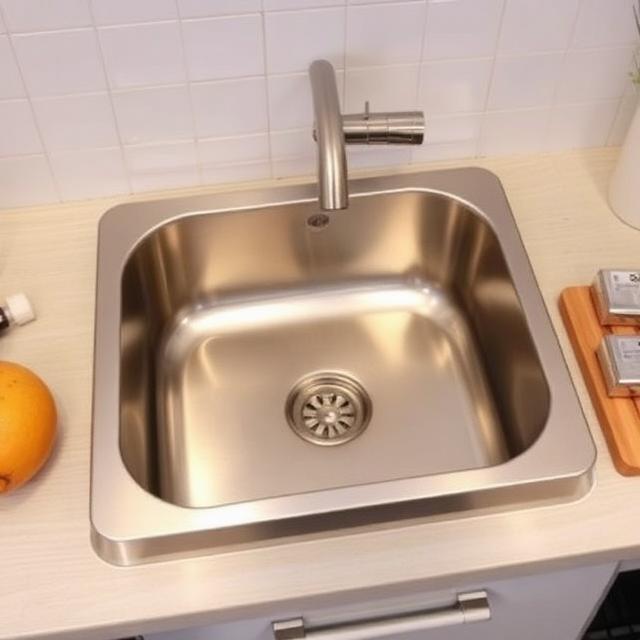
What Is a Stainless Steel Kitchen Wash Basin?
A stainless steel kitchen wash basin is a sink fixture installed in the kitchen — typically embedded into or mounted under a countertop — used for washing dishes, vegetables, hands, and food prep tasks. Unlike ceramic, cast iron, or composite sinks, stainless steel wash basins are manufactured from a chromium-nickel steel alloy, most commonly Grade 304 stainless steel, which gives them exceptional resistance to rust, stains, heat, and bacterial growth.
The term “wash basin” is often used interchangeably with “kitchen sink,” but technically a wash basin can also refer to a standalone bowl-style unit used in utility or laundry areas. In the kitchen context, stainless steel kitchen wash basins are the gold standard worldwide — found in everything from home kitchens and restaurant prep stations to hospital food service areas and commercial catering facilities.
The global kitchen sink market was valued at approximately USD 8.6 billion in 2023 and is projected to reach USD 12.4 billion by 2031, growing at a CAGR of 4.8%, with stainless steel dominating the material segment (Source: Allied Market Research, 2024). This growth is driven by rising home renovation trends, urbanization, and growing awareness of hygiene in food preparation zones.
Why Stainless Steel Dominates the Kitchen Wash Basin Market
If you walk into any professional kitchen — from a Michelin-starred restaurant to a hospital canteen — you will almost certainly find a stainless steel kitchen wash basin. There’s a very good reason for this. Stainless steel offers a unique combination of properties that no other material can fully replicate at the same price point.
Here’s why stainless steel is the undisputed champion:
- Corrosion resistance: The chromium in the steel alloy forms a passive oxide layer that prevents rust, even with constant water exposure.
- Hygienic surface: Non-porous surface prevents bacteria, mold, and mildew from embedding into the material — critical for food safety.
- Heat resistance: Can withstand sudden temperature changes, including boiling water poured directly into the basin.
- Durability: A quality stainless steel kitchen wash basin can last 20–30 years or more with minimal maintenance.
- Ease of cleaning: A simple wipe-down with mild soap and a soft cloth is all it takes.
- Aesthetic versatility: The neutral metallic finish complements any kitchen style — modern, industrial, Scandinavian, or traditional.
- Recyclability: Stainless steel is 100% recyclable, making it an environmentally responsible choice.
- Cost-effectiveness: Compared to granite composite or fireclay sinks, stainless steel wash basins offer excellent value without sacrificing quality.
“Stainless steel sinks remain the preferred choice for both residential and commercial kitchens globally because they strike the perfect balance between performance, hygiene, and price.” — Kitchen & Bath Industry Show (KBIS) Industry Report, 2023
Entities Related to Stainless Steel Kitchen Wash Basin
Understanding the ecosystem around a stainless steel kitchen wash basin helps you make a more informed buying decision. Here are the key entities:
| Entity | Description |
|---|---|
| Grade 304 Stainless Steel | Most common alloy for kitchen wash basins (18% chromium, 8% nickel) |
| Grade 316 Stainless Steel | Marine-grade alloy; higher molybdenum content for extra corrosion resistance |
| Gauge | Thickness measurement — lower gauge = thicker steel (16-gauge is premium; 22-gauge is thin) |
| Undermount Installation | Basin fixed beneath the countertop for a seamless look |
| Topmount / Drop-in Installation | Basin dropped into a hole in the countertop; easiest DIY option |
| Farmhouse / Apron Sink | Deep, wide front-facing basin style; trending in modern kitchens |
| Single Bowl | One large basin — ideal for big pots and pans |
| Double Bowl | Two separate basins — good for multitasking (washing + rinsing) |
| Sound Dampening Pads | Rubber or spray insulation on the underside to reduce noise |
| Brushed Finish | Matte, linear-brushed surface that hides scratches and water spots |
| Mirror/Polished Finish | High-gloss reflective surface; more visible scratching |
| Drain Assembly | Includes strainer basket, drain pipe fitting, and overflow system |
| Faucet Holes | Pre-drilled openings for faucet and accessories (1, 2, or 3-hole configurations) |
Types of Stainless Steel Kitchen Wash Basins
Choosing the right stainless steel kitchen wash basin depends on your kitchen layout, household size, cooking habits, and countertop material. Below is a breakdown of every major type available on the market today.
Single Bowl Stainless Steel Kitchen Wash Basin
A single-bowl basin is one large, unobstructed washing area. This is the most popular choice in modern kitchens because it accommodates large pots, woks, baking trays, and oversized cutting boards that would not fit in a divided sink.
Best for: Households that cook frequently with large cookware, minimalist kitchen designs, and compact kitchens where a wider basin maximizes washing space.
Typical dimensions: 24″ × 18″ to 33″ × 22″ (standard countertop fits up to 33″)
Double Bowl Stainless Steel Kitchen Wash Basin
The double-bowl configuration divides the basin into two separate compartments, allowing you to wash dishes in one side and rinse in the other — or to keep raw meat separate from vegetables during prep. This is a practical layout for families who don’t use a dishwasher as their primary cleaning method.
Best for: Families of 4+, households without dishwashers, people who do significant food prep at the sink.
Suggested read: Why a Single Bowl Kitchen Sink Is the Best Upgrade You'll Make This Year
Typical dimensions: 33″ × 22″ to 43″ × 22″ (common widths for double bowls)
Undermount Stainless Steel Kitchen Wash Basin
An undermount basin is installed beneath the countertop surface, with no lip or rim showing above. This creates a sleek, seamless look and makes countertop cleaning extremely easy — crumbs and liquids can be wiped directly into the basin. However, installation requires a solid countertop material (granite, quartz, or solid surface) that can support the weight of the sink.
Best for: High-end kitchen renovations, modern design aesthetics, homeowners using granite or quartz countertops.
Topmount / Drop-In Stainless Steel Kitchen Wash Basin
The most DIY-friendly option, drop-in basins feature a rim that rests on top of the countertop. They can be installed in laminate, tile, or wood countertops. The downside is that the rim can collect dirt and require more frequent cleaning around the edges.
Best for: Budget renovations, renters, laminate countertop setups, quick replacement projects.
Farmhouse / Apron-Front Stainless Steel Kitchen Wash Basin
The farmhouse sink has experienced a massive revival in popularity, particularly in modern farmhouse and industrial-style kitchens. These basins feature a large, deep front-exposed panel (the “apron”) and typically a single extra-deep bowl — some reaching up to 10 inches in depth. They’re ergonomically excellent because they sit closer to the user, reducing back strain during prolonged washing sessions.
Best for: Open-concept kitchens, homeowners wanting a statement piece, those who frequently wash large items.
Commercial-Style Stainless Steel Kitchen Wash Basin
Inspired by restaurant and commercial kitchen designs, these heavy-duty basins feature extra depth (8–10 inches), reinforced steel, and professional-grade construction. They’re increasingly popular in home kitchens for serious home cooks and entertainers.
Best for: Home chefs, large households, utility or laundry room dual-purpose setups.
Stainless Steel Gauge Guide: What Thickness Should You Choose?
One of the most misunderstood aspects of buying a stainless steel kitchen wash basin is the gauge system. Gauge refers to the thickness of the steel — and confusingly, a lower gauge number means thicker steel.
| Gauge | Thickness (mm) | Quality Level | Best For |
|---|---|---|---|
| 16-gauge | ~1.6 mm | Premium / Commercial | Heavy daily use, professional kitchens |
| 18-gauge | ~1.2 mm | High-end Residential | Active family kitchens, frequent cooking |
| 20-gauge | ~0.9 mm | Mid-range | Light to moderate use, secondary sinks |
| 22-gauge | ~0.7 mm | Budget | Rental properties, low-traffic kitchens |
Key takeaway: For a primary household kitchen wash basin, 18-gauge stainless steel is the sweet spot — thick enough to resist denting and noise, without the premium price of 16-gauge commercial units.
Stainless Steel Grade Comparison: 304 vs. 316
The two most common grades used in stainless steel kitchen wash basins are Grade 304 and Grade 316. Understanding the difference can save you money — or prevent costly mistakes if you live near the coast.
Grade 304 Stainless Steel (18/8)
- Composition: 18% chromium, 8% nickel
- Excellent resistance to everyday corrosion, cleaning chemicals, and food acids
- The industry standard for residential kitchen wash basins
- More affordable and widely available
- Suitable for 95% of residential kitchens
Grade 316 Stainless Steel (18/10/2)
- Composition: 18% chromium, 10% nickel, 2% molybdenum
- The molybdenum provides superior resistance to chloride corrosion (saltwater, coastal environments)
- Used in marine applications, coastal homes, and some commercial settings
- 20–30% more expensive than Grade 304
- Overkill for most inland residential kitchens — but worth every cent in coastal regions
How to Measure Your Kitchen for a New Wash Basin
Getting the sizing right before purchasing your stainless steel kitchen wash basin is critical. A poorly fitting sink can result in costly countertop modifications or an unusable kitchen for days.
Step-by-step measurement process:
Suggested read: Why Signature Kitchen Suite Is the Brilliant Luxury Investment Serious Home Chefs Are Making
- Measure the existing sink opening (if replacing): Measure length × width of the cutout in your countertop.
- Check cabinet width below: Your base cabinet must be at least 3 inches wider than your sink to support it properly.
- Measure countertop depth: Most standard countertops are 24–25 inches deep. Your sink should be no wider front-to-back than the countertop depth minus 2–3 inches for the rear edge.
- Check basin depth: Standard bowl depths range from 6″ to 10″. Deep basins are more practical but require adequate clearance for the drain assembly and plumbing underneath.
- Note faucet hole placement: Decide whether you want 1, 2, or 3 faucet holes and ensure your chosen basin accommodates this.
Standard basin size reference:
| Basin Type | Common Width | Common Depth | Common Bowl Depth |
|---|---|---|---|
| Single Bowl | 24″–33″ | 18″–22″ | 7″–10″ |
| Double Bowl | 33″–43″ | 18″–22″ | 6″–8″ |
| Farmhouse | 24″–36″ | 20″–24″ | 8″–10″ |
Top Features to Look for in a Stainless Steel Kitchen Wash Basin
Not all stainless steel kitchen wash basins are created equal. When shopping, look beyond the price tag and evaluate these performance-defining features:
Sound Dampening Technology
Thin stainless steel resonates like a drum when water hits it. Premium basins use undercoating spray or rubber sound-dampening pads bonded to the underside of the basin. This significantly reduces noise — especially important in open-plan living spaces.
Look for: At least two layers of sound-dampening coating covering 70% or more of the basin’s underside.
Brushed vs. Polished Finish
- Brushed (satin) finish: More forgiving — hides water spots, minor scratches, and fingerprints. This is the most practical choice for daily kitchen use.
- Polished (mirror) finish: Highly reflective and visually striking, but shows every water spot and scratch. Requires more maintenance.
Drain Placement
- Rear-center drain: Maximizes usable bowl depth by keeping the drain out of the way.
- Center drain: Standard placement; works well for most configurations.
- Corner drain (on double bowls): Allows more counter workspace beside the sink.
Included Accessories
Some stainless steel kitchen wash basins come packaged with useful accessories:
- Colander/strainer basket that sits inside the bowl
- Cutting board sized to fit over the basin
- Bottom rinse grid to protect the basin floor from scratching
- Drain assembly included vs. sold separately (factor this into cost comparison)
Installation Methods: What You Need to Know
Installing a stainless steel kitchen wash basin is a project that many homeowners can tackle themselves, but understanding the installation type before purchasing is essential. Here’s a comparison of the main installation methods:
| Method | DIY Friendly? | Tools Required | Best Countertop Material |
|---|---|---|---|
| Drop-in / Topmount | ✅ Yes | Jigsaw, sealant gun, wrench | Laminate, tile, wood, stone |
| Undermount | ⚠️ Moderate | Drill, clips, epoxy adhesive | Granite, quartz, solid surface |
| Farmhouse / Apron | ❌ Requires cabinet modification | Full toolkit + carpentry skills | Any (requires custom cabinet) |
| Flush / Integrated | ❌ Professional install | Professional tools | Solid surface only |
Important: Always turn off the water supply before beginning any sink installation. Hire a licensed plumber if you’re unsure about drain and water line connections — improper connections can lead to water damage costing thousands of dollars.
Maintenance and Care for Your Stainless Steel Kitchen Wash Basin
One of the biggest advantages of a stainless steel kitchen wash basin is how easy it is to maintain. Follow these tips to keep your basin looking pristine for decades:
Daily Care
- Rinse the basin after each use to remove food particles and soap residue.
- Wipe dry with a soft cloth to prevent water spots (especially in hard water areas).
- Never leave cast iron cookware sitting in the basin — prolonged contact can cause rust transfer.
Weekly Cleaning
- Clean with mild dish soap and a soft sponge using strokes that follow the grain (brushed finish).
- For stubborn water spots, apply white vinegar with a soft cloth, let sit 5 minutes, then rinse.
- Avoid steel wool or abrasive scrubbers — these scratch the surface and damage the finish.
Monthly Deep Clean
- Apply a small amount of Bar Keepers Friend (or a similar oxalic acid-based cleaner) to a damp cloth and scrub gently in the direction of the grain. This removes mineral deposits and restores the shine.
- Rinse thoroughly and dry.
What to Avoid
❌ Bleach or chlorine-based cleaners (can cause pitting) ❌ Steel wool pads or harsh abrasives ❌ Leaving standing water for extended periods in hard-water areas ❌ Direct contact with rubber drain mats for long periods (can cause discoloration) ❌ Leaving acidic foods (tomato sauce, citrus) sitting on the surface
Case Study: How a Restaurant Owner Cut Maintenance Costs by Switching to Stainless Steel
Background: A busy café in Jakarta running 16-hour service days was using a ceramic double-bowl sink in their prep kitchen. The sink cracked after 18 months of use and required full replacement — including countertop modifications.
The Switch: The owner replaced it with a Grade 304, 16-gauge stainless steel double-bowl kitchen wash basin with an undermount installation and integrated sound dampening.
Results after 3 years:
- Zero maintenance costs beyond routine cleaning
- No cracking, chipping, or structural damage despite daily heavy use
- Staff reported 30% faster cleaning time due to the smooth, non-porous surface
- Total cost of ownership over 3 years was 47% lower than the ceramic alternative
“We should have made the switch from day one. The stainless steel basin paid for itself within the first year alone.” — Café owner, Jakarta
Suggested read: Single Bowl Kitchen Sink Buyer's Guide: Finding the Perfect Sink for Your American Kitchen
Price Comparison: What Does a Stainless Steel Kitchen Wash Basin Cost?
Prices for a stainless steel kitchen wash basin vary widely depending on gauge, grade, size, brand, and included features. Here’s a realistic market overview:
| Tier | Price Range (USD) | What You Get |
|---|---|---|
| Budget | $50 – $150 | 20–22 gauge, basic finish, no accessories, minimal sound dampening |
| Mid-Range | $150 – $400 | 18 gauge, brushed finish, good sound insulation, some accessories |
| Premium | $400 – $800 | 16–18 gauge, superior finish, full accessory kit, premium sound dampening |
| Commercial/Pro | $800 – $2,000+ | 16 gauge, Grade 304/316, deep bowls, heavy-duty construction |
Pro tip: For most households, a mid-range 18-gauge basin in the $200–$350 range offers the best balance of quality and value. Avoid the temptation of ultra-budget options — thin-gauge steel dents easily and generates excessive noise.
Top Brands for Stainless Steel Kitchen Wash Basins
The market is full of options, so knowing which brands have established strong reputations for quality helps narrow your choice:
- Krause — German engineering, widely respected for precision-manufactured residential basins
- Blanco — Swiss brand known for premium undermount and farmhouse stainless steel basins
- Elkay — American brand with an excellent range from budget to professional-grade
- Ruvati — Specializes in 16-gauge tight-radius basins with superior sound dampening
- Moen — Strong mid-range lineup with reliable warranty coverage
- Franke — Swiss-made, popular in high-end residential and commercial kitchens
- Kohler — One of the most recognized names in kitchen and bath with consistent quality
Each brand offers its own mix of gauge thickness, finish options, basin configurations, and warranty periods. Always check the gauge specification and warranty before purchasing — some budget brands use misleading marketing without specifying gauge.
Stainless Steel Kitchen Wash Basin vs. Other Materials
How does stainless steel compare to the competition? Here’s an honest side-by-side look:
| Feature | Stainless Steel | Granite Composite | Fireclay / Ceramic | Cast Iron |
|---|---|---|---|---|
| Durability | ⭐⭐⭐⭐⭐ | ⭐⭐⭐⭐ | ⭐⭐⭐ | ⭐⭐⭐⭐⭐ |
| Scratch Resistance | ⭐⭐⭐ | ⭐⭐⭐⭐⭐ | ⭐⭐⭐⭐ | ⭐⭐⭐ |
| Stain Resistance | ⭐⭐⭐⭐⭐ | ⭐⭐⭐⭐ | ⭐⭐⭐ | ⭐⭐⭐ |
| Heat Resistance | ⭐⭐⭐⭐⭐ | ⭐⭐⭐⭐ | ⭐⭐⭐⭐⭐ | ⭐⭐⭐⭐⭐ |
| Ease of Cleaning | ⭐⭐⭐⭐⭐ | ⭐⭐⭐⭐ | ⭐⭐⭐ | ⭐⭐⭐ |
| Weight | Light | Moderate | Heavy | Very Heavy |
| Cost | Low–Mid | Mid–High | High | High |
| Noise Level | Moderate* | Low | Low | Low |
| Eco-Friendly | ✅ (recyclable) | ⚠️ Partial | ❌ High energy production | ⚠️ Partial |
*Noise is largely mitigated by sound-dampening pads in quality stainless steel basins.
Frequently Asked Questions About Stainless Steel Kitchen Wash Basins
What gauge stainless steel is best for a kitchen wash basin?
The best gauge for a residential stainless steel kitchen wash basin is 18-gauge for most households. It strikes the ideal balance between thickness (reduces noise and resists denting), weight (not too heavy for countertop support), and cost. If you run a commercial or very high-use kitchen, consider 16-gauge for added durability.
Is a stainless steel kitchen wash basin hygienic?
Yes — stainless steel kitchen wash basins are among the most hygienic sink materials available. Their non-porous surface prevents bacteria, mold, and food particles from becoming embedded. They are also resistant to the growth of biofilm when regularly cleaned. The World Health Organization (WHO) recognizes stainless steel as a food-safe, hygienic surface material for kitchen use.
Can I use bleach to clean my stainless steel kitchen wash basin?
You should avoid using bleach or any chlorine-based cleaners on a stainless steel kitchen wash basin. Chlorine can break down the passive oxide layer that protects the steel, potentially causing pitting, discoloration, and corrosion over time. Use mild dish soap, white vinegar, or an oxalic acid-based cleaner like Bar Keepers Friend instead.
How long does a stainless steel kitchen wash basin last?
A high-quality stainless steel kitchen wash basin made from 18-gauge or 16-gauge Grade 304 steel can last 20 to 30 years or more with proper care. Many commercial-grade stainless steel basins are still in service after 40+ years. The longevity is far superior to fireclay, ceramic, and composite alternatives, all of which are prone to chipping or cracking over time.
What is the difference between a stainless steel sink and a stainless steel wash basin?
In everyday language, the terms are used interchangeably. Technically, a sink refers to the plumbing fixture including the drain and water supply connections, while a basin refers specifically to the bowl portion. A stainless steel kitchen wash basin typically refers to the entire fixture unit including the bowl, drain, and mounting hardware.
Why does my stainless steel kitchen wash basin have water spots?
Water spots on a stainless steel surface are caused by mineral deposits (calcium and magnesium) left behind when hard water evaporates. They are not damage — they are cosmetic. To prevent them, wipe the basin dry after each use. To remove existing spots, apply white vinegar with a soft cloth, leave for a few minutes, then rinse and dry thoroughly.
Is a double bowl or single bowl stainless steel kitchen wash basin better?
It depends on your needs. A single bowl is better for large pots and modern, uncluttered aesthetics. A double bowl is better for multitasking — separating washing and rinsing, or keeping raw foods away from clean dishes. Survey data from kitchen renovation specialists suggests that single bowl basins now account for 58% of new sink installations as households increasingly rely on dishwashers for rinsing duties.
What is the best size for a stainless steel kitchen wash basin?
For a standard kitchen with a 30″–36″ wide sink cabinet, a 30″ to 33″ single bowl or 33″ double bowl is the most practical size. Farmhouse-style kitchens often go wider (up to 36″). Always ensure your base cabinet is at least 3 inches wider than the basin to provide proper support and clearance.
Suggested read: Why an Oil Rubbed Bronze Kitchen Faucet Is the Jewelry Your Kitchen Needs
Smart Buying Tips Before You Purchase a Stainless Steel Kitchen Wash Basin
Before you click “buy” or head to the hardware store, keep these expert-approved tips in mind:
- Always confirm the gauge — if a product listing doesn’t specify gauge, ask before buying. Budget sinks often use 22-gauge and hope buyers don’t notice.
- Check the warranty — premium brands offer 10-year to lifetime limited warranties on their stainless steel kitchen wash basins. Budget brands may offer just 1 year.
- Factor in faucet compatibility — make sure the number of pre-drilled faucet holes matches your faucet configuration.
- Read the drain spec carefully — most basins use a standard 3.5″ drain opening, but some commercial units use 4″ drains. Your drain assembly must match.
- Consider the accessories — a basin that comes with a rinse grid, colander, and cutting board can save $50–$100 over buying them separately.
- Look at sound insulation coverage — the best sound-dampened basins have insulation covering 70% or more of the underside surface area.
- Research the brand’s customer service — a sink with a warranty is only as good as the company’s willingness to honor it.
Environmental Benefits of Choosing a Stainless Steel Kitchen Wash Basin
Sustainability is increasingly important to modern homeowners. A stainless steel kitchen wash basin is one of the most eco-responsible choices you can make in a kitchen renovation for several reasons.
Stainless steel is 100% recyclable — and remarkably, over 80% of all stainless steel produced today comes from recycled material (Source: International Stainless Steel Forum, ISSF, 2023). When your basin eventually reaches the end of its life (which, as noted, could be 30+ years from now), it can be fully melted down and repurposed without any quality loss.
Compare this to fireclay and ceramic basins, which require extremely high-temperature kilns during production (consuming vast amounts of energy) and cannot be recycled at end-of-life. Granite composite sinks, while durable, combine resins and stone that cannot be separated for recycling.
Additionally, the longevity of stainless steel kitchenware means fewer replacements over a lifetime — which directly translates to less manufacturing demand, less packaging waste, and a smaller carbon footprint per kitchen renovation cycle.
Where to Buy the Best Stainless Steel Kitchen Wash Basin
You can purchase a stainless steel kitchen wash basin from a wide range of retailers, both online and offline:
Online Retailers:
- Amazon — widest variety, competitive pricing, and customer reviews help vet quality
- Wayfair — strong selection of mid-range and premium brands with detailed specifications
- Home Depot Online — good for brand-name options with in-store pickup
- Lowe’s Online — similar to Home Depot with frequent seasonal discounts
Physical Stores:
- Home Depot and Lowe’s — display models available for hands-on evaluation
- IKEA — budget to mid-range stainless steel basins with their own mounting systems
- Local plumbing and tile showrooms — often carry higher-end brands not found in big-box stores
- Kitchen and bath specialty retailers — best for premium, commercial-style, or custom configurations
Pro tip: If buying online, always download and read the full spec sheet, not just the product description. Spec sheets list gauge, grade, actual dimensions (not just nominal), drain size, and warranty details.
🛒 Ready to Upgrade? Find Your Perfect Stainless Steel Kitchen Wash Basin Today {#call-to-action}
Your kitchen deserves a wash basin that works as hard as you do. Whether you’re renovating a family kitchen, outfitting a professional cooking space, or simply replacing an old, worn-out unit — a stainless steel kitchen wash basin is the smartest, most durable, and most hygienic choice available.
Don’t settle for a basin that dents, chips, stains, or fails in two years. Invest in a quality stainless steel kitchen wash basin that will serve your home for decades.
👉 Browse the Best Stainless Steel Kitchen Wash Basins — Compare Prices & Reviews
Citation: Plumbing Manufacturers International (PMI). “Annual Plumbing Fixture Report.” safeplumbing.org. | International Stainless Steel Forum (ISSF). “Stainless Steel in Figures 2023.” worldstainless.org. | Allied Market Research. “Kitchen Sink Market Report 2024–2031.” alliedmarketresearch.com.

