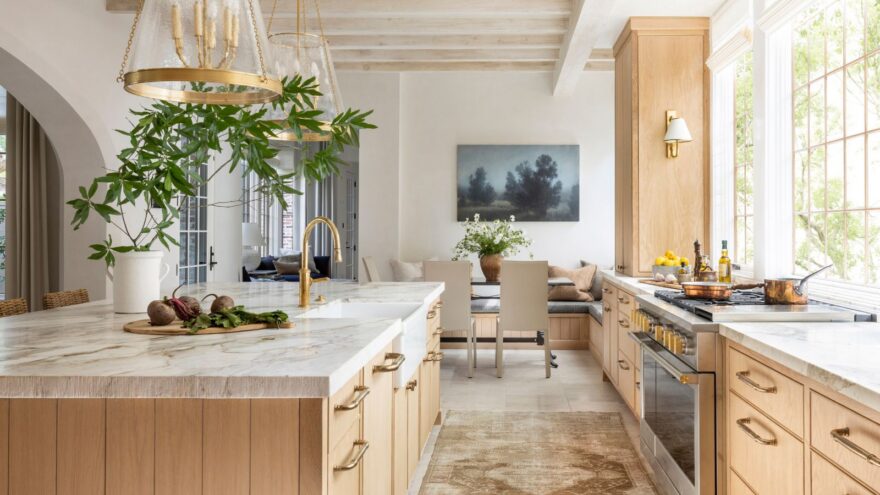
Why White Oak Kitchen Cabinets Are Taking Over Modern Kitchen Design
White oak kitchen cabinets have emerged as the premier choice for homeowners and designers seeking a perfect balance between contemporary aesthetics and timeless durability. Unlike their red oak counterparts, white oak features a more subtle grain pattern with warm, honey-toned undertones that complement virtually any kitchen style—from minimalist Scandinavian designs to rustic farmhouse interiors. The natural beauty of white oak wood creates an inviting atmosphere while offering exceptional longevity that can withstand decades of daily use.
This hardwood species has become increasingly popular in kitchen renovations because it provides the organic warmth that many homeowners crave without the high maintenance requirements of softer woods. The versatility of white oak allows it to be finished in multiple ways, from clear natural coats that showcase the wood’s inherent character to stained variations that can match any color palette you’re envisioning for your space.
The rising popularity of white oak cabinetry isn’t just a passing trend—it’s rooted in the material’s superior performance characteristics and its ability to adapt to changing design preferences. According to the National Kitchen and Bath Association, natural wood cabinets, particularly white oak, have seen a 34% increase in specification among kitchen designers over the past three years. This surge reflects a broader movement away from painted cabinets and toward materials that celebrate natural textures and authentic craftsmanship. White oak kitchen cabinets offer homeowners an investment that will remain stylish and functional for years to come, making them an intelligent choice for those planning long-term renovations.
Understanding White Oak Wood: What Makes It Different from Other Cabinet Materials
White oak (Quercus alba) is a premium hardwood native to North America, particularly abundant in the eastern and midwestern United States. What distinguishes white oak from other cabinet materials is its unique cellular structure—the wood contains tyloses, which are bubble-like growths that block the wood’s pores, making it naturally water-resistant and less susceptible to moisture damage than many other hardwoods. This biological feature makes white oak kitchen cabinets particularly well-suited for environments where humidity and temperature fluctuations are common, such as busy family kitchens. The Janka hardness rating for white oak measures approximately 1,360 pounds-force (lbf), placing it firmly in the category of durable hardwoods that resist denting, scratching, and wear from everyday use.
The grain pattern of white oak is characterized by straight, prominent rays that create a distinctive “flake” pattern when the wood is quarter-sawn, adding visual interest without overwhelming the overall design. This subtle figuring provides depth and character that painted or laminate cabinets simply cannot replicate. The natural color of white oak ranges from light tan to pale brown with grayish undertones, offering a neutral foundation that works beautifully with both warm and cool color schemes. When you invest in white oak wood cabinets, you’re choosing a material that has been proven over centuries of use in fine furniture and architectural applications, with examples of white oak craftsmanship surviving hundreds of years in excellent condition.
The Cost of White Oak Kitchen Cabinets: Investment and Value Breakdown
| Cabinet Type | Price Range (Per Linear Foot) | Quality Level | Expected Lifespan |
|---|---|---|---|
| Stock White Oak | $150 – $300 | Standard | 15-20 years |
| Semi-Custom White Oak | $300 – $650 | Mid-Range | 20-30 years |
| Custom White Oak | $650 – $1,200+ | Premium | 30+ years |
| Quarter-Sawn White Oak | $800 – $1,500+ | Luxury | 40+ years |
When budgeting for white oak kitchen cabinets, homeowners should expect to invest more upfront compared to stock cabinets made from particle board or MDF with veneer finishes. However, this initial investment pays dividends through exceptional durability, timeless aesthetic appeal, and higher resale value. A typical 10×10 kitchen (standard measurement in the cabinet industry) with semi-custom white oak cabinets will cost between $8,000 and $18,000 for the cabinetry alone, not including installation, hardware, or countertops. For those seeking custom white oak cabinets with specialized features like soft-close hinges, pull-out organizers, and unique configurations, costs can easily exceed $25,000 for the same size space.
The value proposition of white oak extends beyond mere aesthetics—these cabinets can increase your home’s resale value by an estimated 5-8% according to Remodeling Magazine’s Cost vs. Value Report. Real estate professionals consistently note that kitchens featuring quality hardwood cabinetry sell faster and command higher prices than comparable homes with lower-quality alternatives. When you factor in the 30+ year lifespan of properly maintained white oak cabinets versus the 10-15 year replacement cycle of builder-grade options, the long-term cost per year actually favors the premium hardwood choice. Additionally, white oak’s ability to be refinished multiple times means you can refresh your kitchen’s appearance without replacing the entire cabinet structure, providing flexibility as design trends evolve.
White Oak vs. Red Oak: Choosing the Right Oak for Your Kitchen
The decision between white oak and red oak kitchen cabinets often comes down to subtle aesthetic preferences and specific performance requirements. White oak cabinets feature a straighter, more uniform grain pattern with minimal color variation, typically displaying beige, tan, and light brown hues with subtle gray undertones. In contrast, red oak exhibits a more pronounced grain with distinctive swirls and a warmer color palette featuring pink and reddish tones. For contemporary and transitional kitchen designs, white oak’s cleaner grain pattern provides a more refined, sophisticated appearance that aligns better with modern minimalist sensibilities.
From a performance standpoint, white oak outperforms red oak in moisture resistance due to its closed cellular structure. This makes white oak kitchen cabinets the superior choice for kitchens in humid climates or homes near water where moisture management is crucial. White oak is also slightly harder than red oak (1,360 lbf versus 1,290 lbf on the Janka scale), offering marginally better resistance to dents and surface damage. While both woods accept stains well, white oak’s tighter grain produces a more even finish with less blotchiness, particularly when using lighter stain colors or natural clear coats that showcase the wood’s inherent beauty.
Key Differences at a Glance:
- Grain Pattern: White oak has straighter, more subtle grain; red oak features more pronounced, varied patterns
- Color: White oak displays cooler, grayish-brown tones; red oak shows warmer, pinkish-red hues
- Moisture Resistance: White oak is naturally water-resistant; red oak is more porous
- Durability: White oak is slightly harder and more dent-resistant
- Modern Appeal: White oak suits contemporary designs better; red oak fits traditional styles
- Cost: White oak typically costs 10-20% more than red oak
- Staining: White oak accepts stains more evenly with less grain raise
Popular Styles and Finishes for White Oak Kitchen Cabinetry
Natural and Clear-Coat Finishes
The most popular treatment for white oak kitchen cabinets is a natural or clear-coat finish that preserves and enhances the wood’s inherent beauty. This approach has gained tremendous momentum in contemporary kitchen design, where celebrating authentic materials takes precedence over concealing them. A clear polyurethane, lacquer, or hardwax oil finish protects the wood while allowing its warm honey tones and distinctive grain patterns to remain the focal point. Matte and satin finishes have become particularly sought-after because they provide a sophisticated, understated elegance without the high-gloss shine that can appear dated or too formal for modern living spaces.
Natural white oak cabinetry pairs exceptionally well with a wide range of countertop materials, from marble and quartz to concrete and soapstone. The wood’s neutral, warm tones create a bridge between cool grays and warm creams, making it an ideal choice for homeowners who want flexibility in their color palette. Many designers recommend natural white oak cabinets as the foundation for kitchens featuring mixed materials, where the cabinetry serves as a unifying element that ties together various textures and finishes throughout the space.
Suggested read: Black Kitchen Sink: Transform Your Kitchen with Modern Elegance and Durability
Stained White Oak Options
While natural finishes dominate current trends, stained white oak kitchen cabinets offer endless possibilities for customization. Light stains in honey, wheat, or golden tones enhance white oak’s warm characteristics while adding subtle depth to the grain pattern. Medium stains in walnut, chestnut, or cognac tones create rich, sophisticated appearances that work beautifully in traditional and transitional kitchens. Dark stains in espresso, ebony, or charcoal provide dramatic contrast and can make white oak resemble more expensive exotic hardwoods.
One of white oak’s greatest advantages is its ability to accept both water-based and oil-based stains evenly, minimizing the blotchiness that can plague softer woods. The tight grain structure ensures consistent color absorption, resulting in professional-looking finishes that showcase the wood’s natural figure without obscuring it completely. For homeowners seeking a contemporary twist on classic design, gray-washed or weathered finishes have emerged as popular choices, giving white oak kitchen cabinets a reclaimed or aged appearance while maintaining the wood’s structural integrity.
Shaker, Slab, and Modern Door Styles
Shaker-style white oak cabinets represent the most enduring and versatile design choice, featuring a five-piece door construction with a recessed center panel and simple, clean lines. This style originated in 18th-century Shaker communities but has evolved into a contemporary classic that works equally well in farmhouse, transitional, and modern kitchens. The simplicity of Shaker doors allows white oak’s natural beauty to take center stage without competing visual elements, making it an ideal pairing that has stood the test of time.
For ultra-modern and minimalist kitchens, slab-door white oak cabinets offer seamless, handle-less facades that create a sleek, streamlined appearance. These flat-panel designs emphasize horizontal lines and clean geometry, with the wood grain providing the only decorative element. Slab doors work particularly well in European-inspired kitchens where integrated appliances and push-to-open mechanisms create an uninterrupted visual flow. Quarter-sawn white oak is especially popular for slab doors because the distinctive ray flake pattern adds visual interest to the otherwise minimal design.
Design Ideas: Incorporating White Oak Cabinets into Different Kitchen Styles
Scandinavian and Minimalist Kitchens
White oak kitchen cabinets have become synonymous with Scandinavian-inspired design, where natural materials, light colors, and functional simplicity create calm, inviting spaces. In this context, natural or lightly finished white oak cabinetry pairs with white walls, light countertops, and open shelving to maximize brightness and create an airy atmosphere. The warm tones of the wood prevent these light-filled spaces from feeling cold or clinical, adding just enough organic character to make the kitchen feel lived-in and welcoming.
To achieve an authentic Scandinavian look with white oak cabinets, consider incorporating open shelving alongside closed cabinetry, using matte black or brass hardware, and selecting simple integrated handles or push-to-open mechanisms. Pair the cabinetry with white subway tiles, marble or light quartz countertops, and pale wood or white oak flooring to create a cohesive, monochromatic palette with subtle textural variation. Add warmth through natural fiber textiles, indoor plants, and simple pendant lighting in black metal or natural materials.
Modern Farmhouse and Rustic Designs
The modern farmhouse aesthetic has embraced white oak kitchen cabinets as a more refined alternative to the heavily distressed painted cabinets that dominated earlier iterations of this style. Natural white oak provides the warmth and authenticity that farmhouse design requires while offering a cleaner, more contemporary interpretation that feels current rather than overly nostalgic. This approach allows homeowners to capture farmhouse charm without the maintenance challenges and potential dating of heavily painted and distressed finishes.
In farmhouse kitchens, white oak cabinetry works beautifully when combined with elements like apron-front sinks, open shelving, subway tile backsplashes, and industrial-style lighting. Consider mixing white oak base cabinets with open shelving or glass-front upper cabinets to create visual breathing room and display curated collections of dishware. Black or oil-rubbed bronze hardware adds the traditional touch that farmhouse style requires, while butcher block countertops in a complementary wood species create a layered, lived-in feel.
Transitional Kitchens
Transitional design occupies the sweet spot between traditional and contemporary styles, making white oak kitchen cabinets the perfect material choice for this balanced approach. The wood’s natural sophistication and versatility allow it to bridge classic and modern elements seamlessly, supporting design choices from both ends of the spectrum. In transitional kitchens, white oak often appears in Shaker-style doors with simple, refined hardware that nods to traditional cabinetry while maintaining clean, contemporary lines.
To create a successful transitional kitchen with white oak cabinets, combine the warmth of natural wood with the cool elegance of materials like marble, quartz, or concrete countertops. Mix finishes by incorporating white oak on perimeter cabinets while using a painted island in a complementary color like navy, charcoal, or sage green. This two-tone approach adds visual interest and dimension while allowing the natural beauty of the white oak kitchen cabinets to remain the focal point. Choose hardware in transitional metals like brushed nickel, aged brass, or champagne bronze to complete the sophisticated look.
Maintenance and Care: Keeping Your White Oak Cabinets Beautiful
Maintaining white oak kitchen cabinets requires consistent but simple care practices that preserve the wood’s beauty and protect your investment over decades of use. Daily cleaning should involve wiping down cabinet surfaces with a soft, slightly damp microfiber cloth to remove cooking residue, fingerprints, and everyday dust. Avoid excessive water exposure and never allow standing moisture on cabinet surfaces, as prolonged wetness can damage even water-resistant white oak. For deeper cleaning, use a solution of mild dish soap and warm water, always wringing out your cloth thoroughly and immediately drying surfaces with a clean, dry cloth to prevent water spots or finish damage.
The finish on your white oak cabinets determines specific maintenance requirements—polyurethane and lacquer finishes benefit from occasional application of furniture polish or specialized cabinet cleaners that enhance shine and provide additional protection. Natural oil finishes, such as Danish oil or hardwax oil, require periodic reapplication (typically once or twice per year) to maintain moisture resistance and bring out the wood’s natural luster. Avoid harsh chemical cleaners, abrasive scrubbing pads, and ammonia-based products that can strip protective finishes and damage the wood underneath.
Suggested read: Best 3 Hole Kitchen Faucet Picks That Will Transform Your Sink Setup
White Oak Cabinet Care Essentials:
- Clean daily with a soft, dry or slightly damp microfiber cloth
- Use mild soap and water for deeper cleaning, then dry immediately
- Avoid excessive moisture, standing water, and harsh chemicals
- Reapply oil finishes 1-2 times annually for natural/oil-finished cabinets
- Polish polyurethane finishes monthly with quality furniture polish
- Address spills immediately to prevent staining or finish damage
- Keep cabinets away from direct heat sources that can dry or warp wood
- Use felt pads on hardware and drawer interiors to prevent scratches
- Maintain consistent indoor humidity levels (35-55%) to prevent expansion/contraction
- Refinish or recoat every 10-15 years to restore original beauty
Environmental and Sustainability Considerations
White oak kitchen cabinets represent an environmentally responsible choice when sourced from sustainably managed forests and certified suppliers. White oak is abundantly available in North America, particularly in the Appalachian and Midwestern regions, where it grows as a native species requiring no irrigation or special cultivation. According to the U.S. Forest Service, white oak growth rates exceed harvest rates by a significant margin, making it one of the most renewable hardwood options available to American consumers. This abundance contrasts sharply with exotic hardwoods that must be shipped across oceans and may contribute to deforestation in sensitive ecosystems.
When selecting white oak cabinetry, look for certifications from the Forest Stewardship Council (FSC) or the Sustainable Forestry Initiative (SFI), which verify that the wood comes from responsibly managed forests where harvesting practices support long-term forest health and biodiversity. Domestic white oak also carries a lower carbon footprint than imported hardwoods or manufactured alternatives that require energy-intensive production processes. The longevity of white oak cabinets—often lasting 30-50 years or more—reduces the environmental impact associated with manufacturing, shipping, and installing replacement cabinets multiple times over a home’s lifetime.
Choosing natural or low-VOC finishes for your white oak kitchen cabinets further enhances their environmental credentials by minimizing indoor air quality concerns and reducing harmful chemical emissions in your home. Many manufacturers now offer water-based finishes and plant-based oils that provide excellent protection while meeting strict environmental standards. By investing in quality white oak wood cabinets with eco-friendly finishes, homeowners can create beautiful kitchens that align with sustainable living values.
Return on Investment: How White Oak Cabinets Impact Home Value
Kitchen renovations consistently rank among the top home improvements for return on investment, with cabinet replacement being the single most impactful change you can make to a kitchen’s appearance and value. Real estate appraisers and agents regularly note that homes featuring quality hardwood cabinetry, particularly white oak, command premium prices and sell more quickly than comparable properties with lower-quality alternatives. According to Remodeling Magazine’s 2023 Cost vs. Value Report, a major kitchen remodel recoups approximately 54% of its cost at resale, but this percentage increases significantly when the renovation includes high-quality materials that appeal to discerning buyers.
White oak kitchen cabinets appeal to a broad demographic of homebuyers because they offer timeless style that transcends temporary trends. Unlike painted cabinets that may fall out of fashion or show wear more readily, natural wood cabinetry maintains its appeal across changing design preferences. Buyers recognize quality craftsmanship and are willing to pay more for homes where they won’t need to invest in immediate kitchen upgrades. A kitchen featuring custom white oak cabinets signals to potential buyers that the home has been well-maintained and thoughtfully improved with materials built to last.
Case Study – Chicago Renovation: A 2022 kitchen renovation in a Chicago suburb replaced 15-year-old laminate cabinets with semi-custom white oak cabinetry in a natural finish, along with updated countertops and hardware. The $28,000 investment increased the home’s appraisal value by $45,000 and attracted multiple offers within five days of listing, selling for 8% above asking price. The real estate agent noted that the white oak cabinets were specifically mentioned by three of the four bidders as a primary attraction that distinguished the property from other listings in the same price range.
Common Mistakes to Avoid When Choosing White Oak Cabinets
One of the most frequent errors homeowners make is failing to request actual wood samples before committing to white oak kitchen cabinets. White oak’s appearance varies significantly based on the cut of the wood (plain-sawn versus quarter-sawn), the finish applied, and even the specific region where the trees were harvested. What appears perfect in a showroom under artificial lighting may look entirely different in your home’s natural light conditions. Always request large samples that you can view in your actual kitchen space at different times of day to ensure the color and grain pattern align with your vision.
Another critical mistake involves mismatching hardware finishes with the warm tones of white oak. While brushed nickel and chrome hardware remain popular choices, these cool-toned metals can create visual discord with white oak’s inherently warm character. Instead, consider hardware in warmer finishes like brass, bronze, copper, or black matte, which complement the wood’s natural undertones and create a more cohesive design. The wrong hardware can cheapen the appearance of even the highest-quality white oak cabinets, so take time to order samples and test different options before making final selections.
Additional Mistakes to Avoid:
- Skipping professional installation to save money—improper installation voids warranties
- Choosing the cheapest finish option without considering long-term durability
- Failing to plan for adequate ventilation to manage kitchen humidity
- Mixing white oak with too many competing wood species in adjacent rooms
- Over-accessorizing cabinets with trendy details that will date quickly
- Neglecting to consider the grain direction and pattern matching across doors
- Installing white oak cabinets before addressing underlying structural or moisture issues
- Underestimating lead times for custom or semi-custom cabinetry (often 8-16 weeks)
Where to Buy White Oak Kitchen Cabinets
Local Cabinet Makers and Custom Shops
For homeowners seeking truly customized solutions, local cabinet makers offer the highest degree of personalization and quality control for white oak kitchen cabinets. These artisan shops can accommodate unique kitchen layouts, specialized storage needs, and specific design visions that stock or semi-custom manufacturers cannot match. Working with a local craftsperson also provides the advantage of supporting your community’s economy while receiving personalized service throughout the design and installation process. Custom cabinet makers typically source premium-grade white oak and can show you actual wood samples, discuss grain patterns, and create sample doors to ensure complete satisfaction before production begins.
Top National Retailers for White Oak Cabinets:
Suggested read: Stained Wood Kitchen Island Table with Legs: Best Ideas to Elevate Your Kitchen
- Dura Supreme: Semi-custom and custom options with extensive finish choices
- Wood-Mode: Luxury custom cabinetry with quarter-sawn white oak specialty
- Wellborn Cabinet: Mid-range semi-custom with good value proposition
- Crystal Cabinets: American-made semi-custom with natural wood focus
- Plato Woodwork: Premium custom manufacturer with architectural-grade quality
Online Retailers and Direct-to-Consumer Options
The digital marketplace has expanded access to quality white oak kitchen cabinets through direct-to-consumer companies that eliminate showroom overhead and pass savings to homeowners. Companies like CliqStudios, Barker Cabinets, and Lily Ann Cabinets offer semi-custom white oak options at competitive prices, with online design tools that help visualize your kitchen before ordering. These retailers typically ship flat-pack cabinets that require assembly, reducing costs but demanding either DIY skills or professional assembly services.
When purchasing white oak kitchen cabinets online, carefully review return policies, warranty coverage, and customer service reputations before committing. Request wood samples whenever possible, read detailed specifications about construction quality, and verify that the company uses solid white oak for door frames and drawer fronts rather than oak veneer over particleboard cores. Reputable online retailers provide transparent information about materials, construction methods, and country of origin, allowing informed decisions even without physically visiting a showroom.
Pairing White Oak Cabinets with Countertops, Backsplashes, and Flooring
Countertop Materials That Complement White Oak
The warm, neutral character of white oak kitchen cabinets provides an excellent foundation for virtually any countertop material, from natural stone to engineered surfaces. Quartz countertops have emerged as the most popular pairing, offering durability, low maintenance, and endless color options that can either complement or contrast with white oak’s warm tones. Consider white and cream quartz with subtle veining to create a bright, open feeling, or opt for warmer beige and taupe tones that harmonize with the wood’s natural color. For those seeking drama, dark charcoal or black quartz creates striking contrast while maintaining a sophisticated, contemporary aesthetic.
Natural marble and quartzite bring organic luxury to kitchens with white oak cabinetry, particularly when selecting varieties with warm veining like Calacatta Gold, Taj Mahal, or Fantasy Brown. The combination of two natural materials creates depth and visual interest while maintaining an elegant, timeless quality. For budget-conscious renovations, butcher block countertops offer warmth and functionality at a fraction of marble’s cost, though they require more maintenance and aren’t suitable for all kitchen zones.
Popular Countertop Pairings:
- White and Cream Quartz: Creates bright, clean aesthetic with subtle contrast
- Marble (Carrara, Calacatta): Adds luxury and classic elegance
- Soapstone: Provides matte, dark contrast with excellent heat resistance
- Concrete: Offers industrial edge while complementing oak’s warmth
- Butcher Block: Doubles down on natural wood for cohesive, warm design
- Black or Charcoal Quartz: Creates dramatic, modern contrast
- Quartzite: Delivers marble aesthetics with superior durability
Backsplash Design Strategies
Backsplash selection for kitchens with white oak cabinets depends largely on overall design goals—whether you want the backsplash to blend quietly or serve as a focal point. Classic white subway tile remains the most versatile choice, providing clean, simple contrast that allows the cabinetry to remain the visual anchor. For added interest without overwhelming the space, consider subway tiles in non-white neutrals like cream, greige, or soft gray that bridge the gap between cabinets and countertops.
Contemporary kitchens often feature slab backsplashes that extend the countertop material up the wall, creating seamless transitions and minimizing visual breaks. This approach works particularly well with book-matched marble or dramatic quartz patterns, where the continuous surface becomes a striking focal point against the warm backdrop of white oak kitchen cabinets. For texture and dimension, consider handmade ceramic tiles, natural stone mosaics, or zellige tiles whose irregular surfaces catch light beautifully and add artisanal character.
Flooring Choices
Flooring selection significantly impacts how white oak kitchen cabinets integrate with your home’s overall design. Many designers recommend avoiding oak flooring in the same finish as your cabinets, as this creates a monotonous wood-on-wood effect without sufficient contrast. Instead, consider wide-plank white oak flooring in a different finish—if cabinets feature a natural clear coat, choose flooring with a light gray wash or whitewashed finish to create subtle differentiation while maintaining material cohesion.
Alternatively, introduce contrast through entirely different flooring materials. Light gray or charcoal porcelain tiles create clean, contemporary foundations that make white oak cabinetry pop visually. Natural stone tiles in limestone, travertine, or slate provide organic texture while maintaining neutral palettes. For warmth underfoot and acoustic comfort, consider darker wood species like walnut or hickory that contrast with white oak’s lighter tones, or explore luxury vinyl plank in realistic wood or stone patterns that deliver practical benefits without compromising aesthetics.
Frequently Asked Questions About White Oak Kitchen Cabinets
Are white oak kitchen cabinets expensive?
White oak kitchen cabinets typically cost between $150-$1,200 per linear foot depending on whether you choose stock, semi-custom, or fully custom options. While this represents a higher upfront investment compared to laminate or particle board alternatives, white oak offers superior durability, timeless aesthetics, and the ability to be refinished multiple times, making it more cost-effective over a 30-50 year lifespan. The investment also increases home resale value significantly, with quality hardwood cabinetry often recouping 60-80% of its cost when selling your home.
Do white oak cabinets turn yellow over time?
White oak kitchen cabinets naturally develop a richer, amber patina over time, particularly when finished with oil-based polyurethane or natural oils. This gentle aging process is considered desirable by many homeowners as it adds warmth and character rather than appearing as unsightly yellowing. Water-based finishes minimize this effect if you prefer to maintain the wood’s original lighter tone. The color shift is gradual and uniform, creating an attractive aged appearance rather than the blotchy yellowing sometimes seen in maple or birch.
How do you clean white oak kitchen cabinets?
Clean white oak kitchen cabinets daily with a soft, dry or slightly damp microfiber cloth to remove dust and light residue. For deeper cleaning, use a solution of mild dish soap and warm water, ensuring you wring out the cloth thoroughly and dry surfaces immediately to prevent water damage. Avoid harsh chemicals, abrasive cleaners, and excessive moisture. For oil-finished cabinets, periodically apply fresh coats of the same oil product to maintain protection and enhance the wood’s natural luster.
Suggested read: Transform Your Cooking Space: Kitchen Wallpaper Ideas That Actually Work
Can white oak cabinets work in small kitchens?
White oak kitchen cabinets work beautifully in small kitchens, particularly when finished naturally or in lighter stains that reflect light and create an airy feel. Pair them with light countertops, simple hardware, and adequate lighting to maximize the sense of space. The warm tones of white oak prevent small kitchens from feeling cold or sterile while the natural grain adds visual interest without overwhelming compact spaces. Consider using white oak on lower cabinets while incorporating open shelving or glass-front uppers to maintain visual openness.
What is the difference between white oak and white washed oak cabinets?
White oak refers to the wood species (Quercus alba) with its natural light brown to tan coloring, while white washed oak describes a finish treatment where white paint or stain is applied and partially wiped away to create a lighter, more weathered appearance. White oak kitchen cabinets in their natural state showcase the wood’s inherent warm tones and grain pattern, whereas white washed finishes create a more rustic, beach-inspired aesthetic with visible white pigment sitting in the grain. Both start with white oak wood, but the finishing process produces dramatically different visual results.
Do white oak cabinets go with stainless steel appliances?
White oak kitchen cabinets pair exceptionally well with stainless steel appliances, creating a balanced combination of warm natural wood and cool industrial metal that appeals to contemporary design sensibilities. The neutral, warm tones of white oak soften the potentially stark appearance of stainless steel while the metal’s clean lines complement the wood’s natural beauty. This pairing has become a standard in modern kitchen design, proving its versatility across various aesthetic approaches from minimalist to transitional styles.
How long do white oak kitchen cabinets last?
Properly maintained white oak kitchen cabinets can last 30-50 years or longer, with many examples of white oak cabinetry and furniture remaining beautiful and functional for over a century. The wood’s hardness, natural moisture resistance, and ability to be refinished multiple times contribute to exceptional longevity. Unlike particle board or MDF cabinets that deteriorate and cannot be restored, white oak improves with age as it develops a rich patina while maintaining structural integrity. Regular cleaning and periodic refinishing ensure these cabinets remain a long-term investment that can span multiple generations.
Can you paint white oak kitchen cabinets?
While you can paint white oak kitchen cabinets, doing so conceals the beautiful natural grain and character that makes white oak desirable and valuable. If you choose to paint, the prominent grain pattern will remain visible through most paint finishes, creating texture that some homeowners find appealing but others may consider distracting. If your goal is smooth, painted cabinetry, maple or other closed-grain woods accept paint more readily. Consider the long-term value impact—painted white oak is worth less than natural wood in resale scenarios, and the process is difficult to reverse without professional refinishing.
Call to Action: Start Your White Oak Kitchen Cabinet Project Today
Transforming your kitchen with white oak kitchen cabinets represents an investment in both your daily living experience and your home’s long-term value. The timeless beauty, exceptional durability, and design versatility of white oak make it the ideal foundation for creating a kitchen you’ll love for decades to come. Whether you’re drawn to the clean lines of Scandinavian minimalism, the warmth of modern farmhouse style, or the balanced sophistication of transitional design, white oak cabinetry adapts beautifully to your vision while providing the structural integrity and natural beauty that inferior materials simply cannot match.
Begin your journey by requesting samples from reputable cabinet manufacturers to experience the wood’s color, grain, and finish options in your own kitchen’s lighting. Consult with qualified kitchen designers who can help you maximize your space while selecting the ideal cabinet configuration, door style, and finish that aligns with your lifestyle and aesthetic preferences. Don’t compromise on quality when selecting a material you’ll interact with daily—white oak kitchen cabinets offer the perfect balance of beauty, performance, and value that makes them worth the investment.
Ready to explore your options? Visit these trusted resources to find inspiration, connect with qualified craftspeople, and take the first step toward your dream kitchen:
- National Kitchen and Bath Association (NKBA.org) – Find certified designers in your area
- Houzz.com – Browse thousands of white oak kitchen photos and connect with professionals
- Custom Cabinet Makers Association – Locate skilled local artisans for custom work
- Forest Stewardship Council (FSC.org) – Verify sustainably sourced white oak suppliers
Your kitchen deserves the timeless elegance and lasting quality that only white oak kitchen cabinets can provide. Start planning your renovation today and create a space where functionality meets natural beauty in perfect harmony.
Citations and Sources
The information presented in this article draws from extensive research across industry publications, manufacturer specifications, and authoritative sources in kitchen design and wood science:
- National Kitchen and Bath Association (NKBA) – Kitchen design trends and material specifications: https://nkba.org
- Remodeling Magazine Cost vs. Value Report 2023 – ROI data for kitchen renovations: https://www.remodeling.hw.net/cost-vs-value
- U.S. Forest Service – White oak growth rates and sustainability data: https://www.fs.usda.gov
- Forest Products Laboratory, USDA – Wood Handbook: technical specifications for white oak (Quercus alba): https://www.fpl.fs.fed.us
- Forest Stewardship Council – Sustainable forestry certification standards: https://fsc.org
- Janka Hardness Test Results – Wood hardness ratings and durability comparisons: Wood Database
- Houzz Kitchen Trends Study – Consumer preferences in cabinet materials and finishes: https://www.houzz.com
- Fine Homebuilding Magazine – Cabinet construction and finishing techniques: https://www.finehomebuilding.com
For the most current product information, pricing, and availability of white oak kitchen cabinets, consult directly with manufacturers and local suppliers, as market conditions and options evolve regularly.
This comprehensive guide to white oak kitchen cabinets provides evidence-based information to help homeowners make informed decisions about this premium cabinet material. All recommendations reflect current industry best practices and sustainable sourcing principles.

