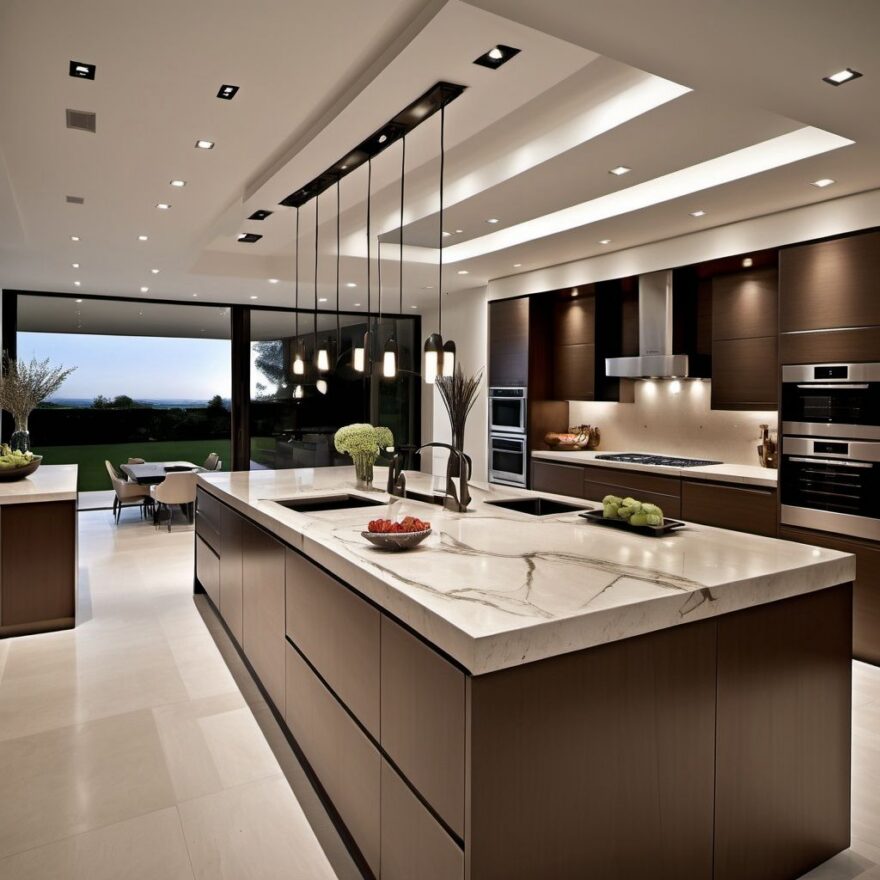
Whether you’re setting up your first home or refreshing a space you’ve lived in for years, the relationship between your kitchen and table is one of the most important design decisions you’ll make. It shapes how you cook, how you eat, how you gather — and ultimately, how your home feels. This guide dives deep into everything you need to know about kitchen & table design, from choosing the right furniture and layout to styling your dining area with intention and building a space that’s both functional and beautiful.
What Is the Kitchen & Table Concept? {#concept}
The phrase kitchen & table refers to more than just two pieces of furniture sitting in a room together. It’s a holistic design philosophy that treats the kitchen and its dining area as one unified, intentional space. In modern home design, the boundary between where food is prepared and where it is shared has blurred significantly — open-plan layouts, kitchen islands, and breakfast nooks have all contributed to this shift.
Kitchen & table design is about understanding how these two zones interact. Where does natural light fall? How does foot traffic flow between the stove and the chair? Does the table’s height complement the counter height? These are the kinds of questions that separate a thoughtfully designed kitchen dining space from one that merely has a table shoved into a corner.
According to the National Kitchen & Bath Association (NKBA), open-concept kitchen and dining spaces are consistently ranked among the top three most requested home renovation features in North America. This speaks volumes about how much homeowners value the integration of their kitchen and table areas.
“The kitchen is the heart of the home, and the table is its soul. Together, they create the setting where life truly happens.” — Interior Designer Nate Berkus
The kitchen & table concept also includes the social dimension. Kitchens are no longer just utilitarian spaces for cooking; they are stages for hospitality. The table adjacent to a kitchen is where homework gets done, where friends linger after dinner, where families argue and laugh and come back together. Designing this space well means designing for real life — messy, beautiful, and ongoing.
Why the Kitchen & Table Relationship Matters {#why-it-matters}
The connection between your kitchen and table has a measurable impact on several areas of your daily life:
1. Family Health and Meal Habits
Research published in the Journal of Nutrition Education and Behavior found that families who eat together at a designated kitchen table consume more fruits, vegetables, and whole grains compared to those who eat in front of screens or on the go. The physical presence of a well-placed, inviting kitchen table actually encourages healthier behavior.
2. Home Resale Value
Homes with well-designed kitchen and table areas consistently command higher prices on the real estate market. A 2023 report by Zillow noted that open-plan kitchens with integrated dining zones sold for up to 7.4% more than comparable homes with isolated dining rooms.
3. Mental Health and Wellbeing
There’s growing evidence that shared meals at a kitchen table reduce stress and strengthen social bonds. A Harvard study tracking adults over 80 years found that people who regularly gathered around a table with others lived longer and reported higher levels of happiness.
4. Practical Daily Workflow
A smart kitchen & table layout reduces the number of steps between cooking and serving, saves time during meal prep, and makes cleanup significantly easier. When your kitchen and dining area are thoughtfully arranged, your daily routine becomes smoother and less chaotic.
| Benefit | Impact Level | Source |
|---|---|---|
| Healthier eating habits | High | Journal of Nutrition Education |
| Increased home resale value | Medium–High | Zillow 2023 Report |
| Stronger family bonds | High | Harvard Study on Adult Development |
| Reduced meal prep time | Medium | NKBA Kitchen Design Data |
| Better space utilization | High | Interior Design Institute |
Choosing the Right Kitchen Table {#choosing}
Selecting the right kitchen table is arguably the most important single decision in designing your kitchen dining area. The table you choose will determine seating capacity, traffic flow, aesthetic tone, and even the kinds of meals you’re likely to host.
Key Factors to Consider
1. Size and Scale
The golden rule of kitchen and table sizing is to leave at least 36 inches of clearance on all sides of the table. This gives people room to pull out chairs comfortably and allows for easy movement through the space. For smaller kitchens, this might mean opting for a round table (which tends to feel less imposing) or a drop-leaf table that can expand and contract as needed.
Here’s a quick reference for table sizes based on seating needs:
Suggested read: Stained Wood Kitchen Island Table with Legs: Best Ideas to Elevate Your Kitchen
| Table Size | Seats | Recommended Room Size |
|---|---|---|
| 36″ x 48″ | 4 people | 10′ x 10′ minimum |
| 36″ x 60″ | 6 people | 10′ x 12′ minimum |
| 36″ x 72″ | 6–8 people | 10′ x 14′ minimum |
| 48″ round | 4–5 people | 10′ x 10′ minimum |
| 60″ round | 6 people | 12′ x 12′ minimum |
2. Table Shape
- Rectangular tables are the most common choice for kitchen and table combos. They’re efficient, versatile, and work well in longer, narrower spaces.
- Round tables encourage conversation because everyone can see each other. They’re excellent for smaller kitchens.
- Square tables work best for groups of four and create a balanced, symmetrical look.
- Oval tables offer the best of both worlds — the length of a rectangle with the softened edges of a round.
3. Height
Standard dining tables stand at 28–30 inches tall. Counter-height tables (34–36 inches) pair well with stools and create a casual, bistro-like feel — particularly popular in homes where the kitchen island doubles as a dining space. Bar-height tables (40–42 inches) are less common for primary dining but work well in entertainment areas.
4. Material Durability
Since the kitchen table is exposed to food, moisture, heat, and daily wear, material choice matters enormously. We’ll cover this in detail in the Materials section, but as a rule of thumb, prioritize durability alongside aesthetics for your primary dining table.
Kitchen & Table Layout Ideas for Every Home Size {#layout}
Layout is where design meets real life. A beautiful kitchen and table setup that doesn’t work for the way you actually move through your home will quickly become frustrating. Here are proven layout strategies for homes of every size.
Small Kitchens (Under 100 sq ft)
Small kitchens demand creative thinking when it comes to integrating a kitchen table. The best approaches include:
- Fold-down wall tables: Mount a table directly to the wall on hinges. When not in use, it folds flat. When needed, it extends to seat two to four people.
- Bench seating against a wall: A bench takes up less visual space than chairs and can tuck fully under the table.
- Round pedestal tables: Without corner legs, pedestal tables allow seating to slide in from any angle, maximizing the number of people who can fit.
- Kitchen island with overhang: If you have a kitchen island, extending one side to create a 12–15 inch overhang gives you a built-in kitchen table without occupying any additional floor space.
Pro Tip: In small kitchens, use the same flooring material throughout the kitchen and dining zone to visually expand the space. Breaking the floor into two materials makes each zone feel smaller.
Medium Kitchens (100–200 sq ft)
Medium-sized kitchens allow for a dedicated kitchen and table zone without feeling cramped. Popular layouts include:
- The L-shaped kitchen with a center table: The L-shape frees up one wall entirely, allowing a table to sit comfortably in the open zone.
- Banquette seating: A built-in banquette (L-shaped or U-shaped upholstered bench) creates a defined dining nook with abundant storage underneath the seat cushions.
- Breakfast bar + dining table combination: Use a kitchen island or peninsula as a casual breakfast bar and place a full dining table in an adjacent space for more formal meals.
Large Kitchens (200+ sq ft)
Larger kitchens offer the luxury of creating a truly dedicated kitchen & table experience. Options expand significantly:
- The farmhouse kitchen table: A long, oversized farmhouse table placed centrally creates a dramatic focal point and can seat 8–12 people comfortably.
- Dual zones: One zone for casual everyday dining (a small bistro table or island) and a separate formal dining area with a larger table.
- Furniture islands: Large kitchens can use furniture-style kitchen islands — more like freestanding credenzas — that blur the line between kitchen storage and dining table.
How to Style Your Kitchen Table Like a Pro {#styling}
Once you’ve chosen your kitchen table and established your layout, styling brings the space to life. Great kitchen & table styling isn’t about perfection — it’s about creating an atmosphere that makes people want to linger.
The Art of the Everyday Tablescape
A tablescape is a styled arrangement of objects on your table. The most livable tablescapes are those that remain functional for daily use. Here’s a simple formula:
- A centerpiece: This anchors the table visually. It could be a vase of fresh flowers, a bowl of seasonal fruit, a candle cluster, or a wooden tray with small objects.
- A textile: A table runner, placemats, or a tablecloth adds warmth and texture. Even a simple linen runner changes the feeling of a bare table dramatically.
- Functional beauty: Salt and pepper shakers, an olive oil bottle, a small potted herb — things that are used regularly but chosen with care.
Lighting: The Most Underrated Element
The light over your kitchen table does more work than almost any other design element. A pendant light hung 28–34 inches above the table surface creates an intimate pool of light that makes the dining area feel separate and special, even in an open-plan kitchen.
Types of lighting that work well over kitchen tables:
- Single oversized pendant: Bold, graphic, and dramatic. Works especially well over round tables.
- Cluster of pendants at varying heights: Creates a more organic, collected feel. Great for rectangular tables.
- Linear suspension lights: A single elongated fixture that spans the length of a rectangular table. Clean and modern.
- Chandelier: Traditional but timeless. Works particularly well in farmhouse or transitional kitchen styles.
Chairs and Seating Cohesion
One of the most impactful styling moves for a kitchen & table area is mixing chair styles while keeping a common element — all the same color, all the same material, or all the same leg finish. For example, pairing wooden chairs with matching leather-upholstered chairs in the same warm oak tone creates visual interest without chaos.
Suggested read: Walnut Kitchen Cabinets: Styles, Costs, Pros & Cons, and Design Ideas
Chair styles that work well at kitchen tables:
| Chair Style | Best Paired With | Vibe |
|---|---|---|
| Windsor chairs | Farmhouse or country kitchen | Warm, classic |
| Tulip chairs | Modern or minimalist kitchen | Sleek, sculptural |
| Cross-back chairs | Rustic or eclectic kitchen | Relaxed, bohemian |
| Upholstered dining chairs | Traditional or transitional kitchen | Comfortable, refined |
| Ghost chairs (acrylic) | Contemporary or small kitchen | Airy, space-saving |
| Bench seating | Farmhouse or casual kitchen | Laid-back, family-friendly |
Kitchen & Table Color Palettes That Work {#color}
Color is one of the most powerful tools in kitchen and table design, yet it’s also one of the most feared. Many homeowners default to safe neutrals, but some of the most beautiful kitchen & table spaces are anchored by confident color choices.
Timeless Neutral Palettes
Neutral palettes never go out of style and are particularly forgiving in kitchens because they pair well with almost any food color:
- White and natural wood: Crisp, clean, Scandinavian-inspired. A white kitchen with a honey-toned oak table feels fresh and timeless.
- Greige (gray-beige) and brass: Sophisticated and warm. Greige walls with a marble-topped table and brass hardware feel luxurious without being overdone.
- Charcoal and warm white: Dramatic but livable. A dark kitchen with a light-toned table creates beautiful contrast.
Bold Palette Choices
- Deep forest green cabinets + a walnut table: One of 2025’s most popular kitchen & table combinations. Rich, grounded, and organic.
- Navy blue kitchen + white marble table: Classic and crisp. The blue anchors the space while the marble adds lightness.
- Terracotta walls + a rattan-backed chair: Warm, textural, Mediterranean-inspired.
“Color in the kitchen and dining area should feel like a personality, not just a paint choice. Pick colors that reflect how you want to feel in the space — not what you’ve seen on Pinterest.” — Emily Henderson, Interior Stylist
The Best Materials for Kitchen & Table Furniture {#materials}
Material selection for your kitchen table is a balance between beauty, durability, and maintenance. Here’s an honest breakdown of the most popular options:
Solid Wood
Solid wood is the gold standard for kitchen tables. It’s warm, durable, repairable (scratches can be sanded out), and gets more beautiful with age. The most popular species for kitchen & table use include:
- Oak: Dense, durable, and takes stain beautifully. The most popular choice overall.
- Walnut: Rich, dark, and luxurious. More expensive but stunning.
- Maple: Light-colored, very hard, and resistant to dents. Great for active family kitchens.
- Pine: Softer and more rustic. More prone to denting but has beautiful character.
Pros: Longevity, repairability, natural beauty, resale value Cons: Sensitive to humidity changes, requires occasional refinishing, higher cost
Marble and Stone
Marble-topped kitchen tables are exceptionally beautiful and create a sense of elegance in any kitchen. However, marble is porous and requires sealing. It’s prone to etching from acidic foods like lemon juice and wine.
Engineered stone (like quartz) offers similar aesthetics with greater durability — it’s non-porous, heat-resistant, and requires minimal maintenance.
Metal
Metal tables — particularly those with steel or iron bases — are incredibly durable and easy to clean. Industrial-style kitchen & table setups often feature metal bases paired with wood or stone tops to soften the look.
Glass
Glass-topped tables are a great choice for smaller kitchens because they’re visually lightweight and don’t block sightlines. However, they show fingerprints easily and can feel cold in cozy kitchen settings.
Engineered Wood (MDF, Plywood, Veneer)
More affordable than solid wood, engineered wood products can be beautiful when well-made. Look for thick veneers (at least 3mm) and high-quality finishes. They’re less repairable than solid wood if damaged but are often more stable in humid environments.
| Material | Durability | Maintenance | Cost | Best For |
|---|---|---|---|---|
| Solid wood | ★★★★★ | Medium | $$–$$$$ | Family kitchens, heirloom pieces |
| Marble | ★★★☆☆ | High | $$$–$$$$ | Formal dining, show kitchens |
| Quartz | ★★★★★ | Low | $$$–$$$$ | Active family kitchens |
| Metal | ★★★★★ | Low | $$–$$$ | Industrial, modern kitchens |
| Glass | ★★★☆☆ | Medium | $$–$$$ | Small kitchens, contemporary |
| Engineered wood | ★★★☆☆ | Low | $–$$ | Budget-friendly renovations |
Kitchen & Table Decor Trends in 2025 {#trends}
The world of kitchen and table design moves quickly, but the best trends are those rooted in genuine shifts in how people live — not just fleeting aesthetics.
1. Japandi Kitchen & Table Design
Japandi — the fusion of Japanese minimalism and Scandinavian functionality — continues to dominate kitchen & table aesthetics in 2025. Characterized by clean lines, natural materials, wabi-sabi imperfection, and a deeply neutral palette, Japandi kitchen spaces feel calm and intentional. Tables in Japandi kitchens are typically low-profile, solid wood, and unadorned.
2. The Lived-In Kitchen
In reaction to the sleek, sterile “Instagram kitchen” aesthetic of the early 2020s, 2025 sees a major return to kitchens and tables that look genuinely used and loved. This means:
- Open shelving displaying real, imperfect dishware
- Tables with visible grain, knots, and patina
- Mix-and-match chairs
- Handmade ceramics and artisan goods on the table
3. Curved Furniture Everywhere
Curved edges — on tables, chairs, cabinetry, and counters — are one of the defining kitchen & table trends of 2025. Round and oval tables fit this trend perfectly. Even rectangular tables are featuring softened corners more frequently.
Suggested read: What a Rustic Kitchen Island Brings to Your Home: Warmth, Storage, and an Inviting Heart
4. Indoor-Outdoor Kitchen & Table Integration
As homes blur the boundary between inside and out, kitchen and table spaces increasingly extend through sliding glass doors onto patios and terraces. Weather-resistant materials, retractable roofs, and outdoor dining tables that match the interior kitchen aesthetic are all surging in popularity.
5. Sustainable and Reclaimed Materials
Environmental consciousness is reshaping kitchen & table purchasing decisions. Reclaimed wood tables, FSC-certified lumber, recycled glass tops, and furniture made by local artisans are all growing segments of the market.
Kitchen Table Setting: From Everyday to Special Occasions {#setting}
How you set your kitchen table changes how meals feel. A beautifully set table signals care — for the food, for the people eating it, and for the moment being shared.
The Everyday Setting
For daily meals at your kitchen table, keep it simple but considered:
- Placemat (not a full tablecloth) for easy cleanup
- Plate, fork, knife, spoon in their proper positions
- A glass of water already poured
- A simple centerpiece — even a single stem in a small vase changes the mood
The Casual Entertaining Setting
When friends come for a dinner party but the vibe is relaxed:
- A linen tablecloth or table runner
- Layered plates (charger plate + dinner plate)
- Wine glasses alongside water glasses
- Cloth napkins folded loosely — not fussily
- A statement centerpiece: a cluster of candles, a trailing plant, or a rustic arrangement of seasonal produce
The Formal Setting
For holiday meals or celebrations at your kitchen & table:
- Place a full tablecloth that drops at least 12 inches on each side
- Set a charger, dinner plate, salad plate, and soup bowl if applicable
- Position three glasses: water, red wine, white wine
- Include a bread plate and butter knife to the upper left
- Add cloth napkins with a napkin ring or a folded presentation
- Create a layered centerpiece with height variation — tall candles, lower florals, and small votives
Case Studies: Real Kitchen & Table Transformations {#cases}
Case Study 1: The Small Brooklyn Apartment
Challenge: A 75 sq ft kitchen in a Brooklyn apartment with no separate dining room.
Solution: The owner installed a fold-down wall table that seats four when extended and disappears completely when folded. She chose two stackable chairs and two stools that store under the kitchen counter. A pendant light on a dimmer was installed directly above the table zone. The result? A fully functional kitchen & table setup in a space most designers would have declared impossible.
Result: The space now hosts regular dinner parties for four and daily solo meals without ever feeling cramped.
Case Study 2: The Farmhouse Kitchen Renovation
Challenge: A dated 1990s kitchen in suburban Ohio with a separate, underused formal dining room.
Solution: The owners knocked down the wall between the kitchen and dining room, creating an open-plan kitchen and table space. They installed a 96-inch reclaimed oak farmhouse table as the centerpiece, surrounded by a mix of Windsor chairs and a long wooden bench. Pendant lights — three globe pendants in brushed brass — hang above the table at staggered heights.
Result: A space that now functions as the social hub of the home. The family reports eating together 5 nights per week (up from 2) since the renovation.
Case Study 3: The Tokyo Studio Apartment
Challenge: A 400 sq ft studio apartment in Tokyo where the kitchen occupies one wall of the main living space.
Solution: Drawing on Japandi principles, the designer chose a low-profile walnut table (dining height, not counter height) with cushioned floor seating on two sides and two low-backed chairs on the others. The kitchen and table zone shares the same warm wood tones, creating visual unity across the entire open space.
Result: A space that feels intentional and cohesive despite its extreme size limitations. Featured in Dezeen magazine’s 2024 Small Space Living series.
Suggested read: Kitchen Sink Accessories That Will Transform How You Cook, Clean, and Organize
Citation & Source
For more inspiration, professional guidance, and curated collections for your kitchen & table setup, visit: 👉 Kitchen & Table – Official Resource
Kitchen & Table is a trusted resource for homeowners and interior design enthusiasts seeking expert advice on creating beautiful, functional kitchen dining spaces. From furniture buying guides to tablescape tutorials, their platform covers every aspect of the kitchen & table lifestyle.
Ready to Transform Your Kitchen & Table Space?
If you’ve been inspired to rethink your own kitchen and table, the best place to start is with a clear vision of how you use the space — not just how you want it to look. Ask yourself:
- How many people do I regularly cook for?
- Do I prefer casual everyday dining or more formal meals?
- What’s my current biggest frustration with my kitchen table area?
- What feeling do I want guests to have when they sit down?
Once you know the answers, every decision — from table shape to chair material to lighting style — becomes much easier to make.
👉 Explore curated kitchen & table collections, expert styling tips, and furniture guides at Kitchen & Table today.
Frequently Asked Questions About Kitchen & Table Design {#faqs}
What is the ideal size for a kitchen & table in a small kitchen?
For small kitchens, the ideal kitchen table size depends on how many people you regularly feed. For two to four people, a round table with a 36–42 inch diameter is usually the best choice. Always ensure at least 36 inches of clearance on all sides for comfortable movement. Fold-down or extendable tables are excellent for maximizing space efficiency in a small kitchen.
How do I choose between a kitchen table and a kitchen island?
Choosing between a kitchen table and a kitchen island depends on your primary needs. A kitchen island offers more counter space and storage but typically provides less formal seating. A kitchen and table setup is better for regular family meals and entertaining. Many modern kitchens use both — an island for casual breakfasts and food prep, and a separate table for proper sit-down meals.
What height should a kitchen table be?
Standard kitchen tables are 28–30 inches tall, designed to pair with standard dining chairs (17–19 inches seat height). Counter-height tables (34–36 inches) pair with 24–26 inch counter stools, while bar-height tables (40–42 inches) pair with 28–30 inch bar stools. Your choice should reflect how you use the space — standard height for formal meals, counter height for casual everyday dining.
How do I make a small kitchen & table area feel larger?
To make a small kitchen and table area feel more spacious: choose a round or glass-topped table (both feel less imposing), use chairs with open backs or legs, keep the color palette light and consistent between kitchen and dining zone, hang a pendant light above the table to draw the eye upward, and use mirrors strategically to reflect light. Decluttering the table surface daily also dramatically changes how spacious the area feels.
What are the best materials for a kitchen table with kids?
For families with children, the best kitchen table materials are those that are durable, easy to clean, and forgiving of damage. Solid oak or maple (properly sealed) are excellent choices because surface scratches can be sanded out. Quartz-topped tables are essentially indestructible and non-porous. Avoid marble, glass, and unsealed woods if you have young children. Consider a table with a matte finish rather than glossy, as matte surfaces show scratches less clearly.
How far should a pendant light hang above a kitchen table?
The standard recommendation for pendant lighting above a kitchen table is to hang the bottom of the pendant 28–34 inches above the table surface. This provides good task lighting without obstructing sightlines across the table. If you have higher ceilings (9 feet or more), you can hang the pendant slightly higher — up to 36 inches — without losing the intimate effect.
What is the kitchen & table design trend for 2025?
The dominant kitchen & table design trends in 2025 include Japandi-inspired natural materials, curved and organic furniture shapes, a “lived-in” aesthetic that embraces patina and imperfection, the integration of indoor and outdoor dining spaces, and a strong preference for sustainable and reclaimed materials. Color-wise, deep earthy tones (forest green, terracotta, ochre) are replacing the all-white kitchen of the previous decade.
How do I style my kitchen table for everyday use?
For everyday kitchen table styling, focus on functional beauty. Keep a simple centerpiece (a plant, a candle, or a bowl of fruit), use washable placemats instead of a full tablecloth, store napkins in an accessible holder, and clear the table completely after each meal. A well-edited, clutter-free table surface is the foundation of a beautiful kitchen & table space.
© 2025 Kitchen & Table Design Guide | All Rights Reserved
Sources & References:
- National Kitchen & Bath Association (NKBA) — Kitchen Design Trends Report 2024
- Zillow Research — Home Features That Increase Sale Price, 2023
- Harvard Study of Adult Development — Social Connection and Longevity
- Journal of Nutrition Education and Behavior — Family Meal Frequency and Diet Quality
- Kitchen & Table — Official Resource for Kitchen & Dining Design
- Dezeen Magazine — Small Space Living Series, 2024

