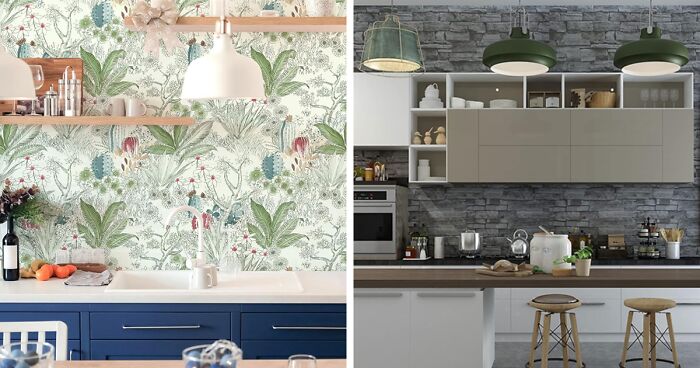
The kitchen has evolved from a purely functional space into the heart of modern homes, where families gather, meals are shared, and memories are created. As homeowners seek to personalize these vital spaces, kitchen wallpaper has emerged as a transformative design element that delivers both aesthetic appeal and practical benefits. Unlike paint, which offers limited texture and pattern options, wallpaper provides an opportunity to introduce personality, depth, and visual interest into your cooking environment without the commitment of permanent structural changes.
Modern kitchen wallpaper technology has revolutionized what’s possible in these high-traffic, moisture-prone areas. Today’s options feature washable surfaces, heat-resistant materials, and moisture-repellent coatings that address the unique challenges kitchens present. Whether you’re looking to create a focal wall behind open shelving, add pattern to a breakfast nook, or completely transform your culinary workspace, understanding the nuances of kitchen wallpaper selection and installation can mean the difference between a stunning success and a disappointing disaster.
Why Kitchen Wallpaper Outperforms Traditional Paint
When homeowners consider updating their kitchen aesthetics, paint typically emerges as the default choice due to its familiarity and perceived simplicity. However, wallpaper for kitchens offers distinct advantages that paint simply cannot match, particularly when you examine the long-term value proposition and design flexibility these products provide.
Depth and Dimension: Kitchen wallpaper creates visual layers that flat paint cannot replicate. Textured patterns, metallic accents, and dimensional designs catch and reflect light throughout the day, making spaces feel more dynamic and alive. A grasscloth wallpaper introduces organic texture that adds warmth, while geometric patterns create architectural interest in otherwise plain spaces.
Durability and Longevity: Modern vinyl and vinyl-coated wallpapers designed for kitchens resist staining, moisture, and grease splatter far better than painted surfaces. Where paint might require touch-ups every 1-2 years in high-traffic kitchens, quality wallpaper can maintain its appearance for 10-15 years with minimal maintenance. The initial investment in premium wallpaper often proves more economical than repeated painting cycles.
Time Efficiency: Achieving a perfectly smooth painted finish requires multiple coats, extensive prep work, and careful application. Wallpaper installation, while requiring different skills, often proceeds faster once you’ve mastered basic techniques. A single roll of wallpaper covers approximately 28-30 square feet, and you can complete an accent wall in an afternoon rather than spending days on multiple paint coats.
Design Versatility: The pattern options available in kitchen wallpaper far exceed what’s possible with paint. From botanical prints and Moroccan tiles to modern geometric designs and farmhouse-inspired textures, wallpaper opens creative possibilities that would require professional muralists to achieve with paint. You can easily introduce multiple colors, gradients, and intricate details that would be prohibitively expensive or technically challenging with traditional painting methods.
Types of Kitchen Wallpaper: Understanding Your Options
Not all wallpaper performs equally in kitchen environments, and selecting the wrong type can lead to peeling, staining, and moisture damage. Understanding the specific characteristics of different wallpaper materials helps you make informed decisions that align with your kitchen’s unique conditions and your maintenance preferences.
Vinyl Kitchen Wallpaper
Solid vinyl wallpaper represents the gold standard for kitchen applications due to its exceptional durability and moisture resistance. This material consists entirely of vinyl, creating a waterproof barrier that withstands splashes, humidity, and temperature fluctuations common in cooking spaces. The surface cleans easily with a damp cloth and mild detergent, making it ideal for areas behind stoves, near sinks, and in high-traffic zones.
Vinyl wallpaper comes in various finishes including matte, satin, and glossy options. Matte finishes hide wall imperfections better and create a sophisticated, understated look. Glossy finishes reflect more light, making small kitchens feel larger and brighter. The material’s thickness also helps cover minor wall flaws that might show through thinner papers.
Installation of solid vinyl requires specific adhesives formulated for heavy-duty applications. The weight and non-porous nature of vinyl mean standard wallpaper paste won’t create adequate adhesion. Professional installers often recommend heavy-duty adhesives or pre-pasted vinyl products specifically designed for moisture-prone environments.
Vinyl-Coated Wallpaper
Vinyl-coated wallpaper features a paper or fabric backing with a thin vinyl layer applied to the surface. This construction offers a middle ground between traditional paper wallpapers and solid vinyl, providing enhanced durability without the complete impermeability of solid vinyl. The vinyl coating protects against moisture and staining while maintaining some breathability.
This wallpaper type works particularly well in dining areas, breakfast nooks, and sections of the kitchen away from direct water exposure. The material costs less than solid vinyl while offering significantly better performance than untreated paper. Most vinyl-coated options qualify as “scrubbable,” meaning you can clean them with a soft brush and cleaning solution without damaging the surface.
The installation process for vinyl-coated wallpaper closely resembles traditional wallpaper hanging. The material’s lighter weight and some breathability make it more forgiving for DIY installers. However, seams require careful attention, as moisture infiltration at seam edges can cause lifting over time.
Peel-and-Stick Kitchen Wallpaper
Removable wallpaper or peel-and-stick wallpaper has revolutionized the wallpaper industry by eliminating traditional paste application and offering commitment-free design changes. This innovative product features a pressure-sensitive adhesive backing protected by a release liner. You simply peel off the backing and smooth the wallpaper onto your wall, repositioning as needed during application.
For renters or homeowners who frequently update their décor, peel-and-stick wallpaper for kitchens provides unmatched flexibility. The material removes cleanly without damaging walls or leaving adhesive residue, assuming proper surface preparation and application techniques. This makes it perfect for accent walls, backsplash areas away from direct heat, and cabinet interiors.
However, peel-and-stick options have limitations in kitchen environments. The adhesive doesn’t bond as permanently as traditional paste, making these products less suitable for areas with extreme temperature fluctuations or direct moisture exposure. Most manufacturers recommend keeping peel-and-stick wallpaper at least 6-12 inches away from stoves and sinks. The material also works best on smooth, non-textured walls, as texture interferes with adhesive contact.
Washable and Scrubbable Wallpaper
Washable wallpaper tolerates gentle cleaning with a damp sponge, while scrubbable wallpaper withstands more aggressive cleaning with brushes and cleaning solutions. These designations indicate the wallpaper’s ability to maintain its appearance and integrity when exposed to cleaning processes necessary in kitchen environments.
For kitchens, always select products rated as scrubbable rather than merely washable. Cooking generates grease particles, food splatter, and steam that require regular cleaning beyond simple dusting. Scrubbable wallpapers feature robust coatings that resist abrasion and maintain their appearance even after repeated cleanings.
Look for wallpapers with Class I or Type II durability ratings, which indicate superior resistance to scrubbing and staining. These products typically feature vinyl or acrylic coatings that create protective barriers between the decorative layer and environmental contaminants. The investment in higher-rated products pays dividends in reduced maintenance time and extended product lifespan.
Strategic Placement: Where Kitchen Wallpaper Works Best
Successful kitchen wallpaper installation requires thoughtful consideration of placement, as some areas naturally suit wallpaper applications better than others. Understanding microclimates within your kitchen—variations in moisture, temperature, and splash exposure—helps you position wallpaper where it will thrive rather than deteriorate.
Accent Walls and Feature Areas
Kitchen accent walls create focal points without overwhelming the space with pattern or color. The wall opposite your main work area, the space behind a dining table, or a shortened wall section in a galley kitchen all make excellent accent wall candidates. These locations receive less direct exposure to cooking activities while remaining visible from multiple vantage points.
When selecting an accent wall, consider the room’s natural focal points. A wall with interesting architectural features like exposed beams, a chimney breast, or built-in shelving gains additional visual interest when paired with complementary wallpaper. Conversely, wallpaper can transform a plain, featureless wall into a design statement that draws the eye and balances more utilitarian kitchen elements.
The breakfast nook or dining area within an open kitchen provides an ideal wallpaper location. These zones experience minimal moisture and heat exposure while benefiting from the warmth and personality wallpaper introduces. A bold pattern in the dining area can define the space within an open floor plan, creating visual separation between cooking and eating zones without physical barriers.
Behind Open Shelving
Installing wallpaper behind open shelving or glass-front cabinets creates instant visual interest and depth. The wallpaper becomes a decorative backdrop that highlights your dishware, glassware, or decorative objects while adding color and pattern to the kitchen. This application works particularly well with geometric patterns, subway tile designs, or subtle textures that complement rather than compete with shelf contents.
Before installation, ensure shelving brackets won’t penetrate wallpaper seams, as these weak points can cause tearing. Plan your wallpaper layout so seams fall in less visible locations, preferably between shelf supports. Some designers recommend installing a clear acrylic sheet over the wallpaper in these locations to provide additional protection from shelf adjustments and cleaning activities.
The color psychology behind this application deserves consideration. Light, neutral wallpaper patterns make colored dishware and glassware pop, creating a curated collection feel. Bold, dark wallpaper creates drama and makes white or light-colored pieces stand out prominently. Consider your existing kitchen palette and how wallpaper will interact with visible storage contents.
Suggested read: Black Kitchen Sink: Transform Your Kitchen with Modern Elegance and Durability
Laundry Rooms and Pantries
Laundry rooms adjacent to or within kitchen spaces offer excellent wallpaper opportunities. These areas rarely experience the extreme conditions present in main cooking zones, yet they often feel neglected from a design perspective. Wallpaper transforms these utilitarian spaces into extensions of your kitchen’s aesthetic, creating cohesion throughout your home’s service areas.
Pantries and butler’s pantries similarly benefit from wallpaper applications. The controlled environment inside pantries—stable temperature, minimal moisture, and no direct heat exposure—creates ideal conditions for virtually any wallpaper type. Bold patterns that might overwhelm a main kitchen work beautifully in smaller pantry spaces, creating delightful surprises when doors open.
Consider using the same wallpaper in both main kitchen and adjacent spaces to create visual flow, or select complementary patterns that share a color palette while offering variation. This approach maintains design cohesion while preventing pattern fatigue that can occur when identical patterns appear throughout large areas.
Color Theory and Pattern Selection for Kitchen Wallpaper
Color selection profoundly impacts how your kitchen feels and functions, influencing everything from perceived room size and lighting quality to emotional responses and appetite stimulation. Understanding color theory principles helps you select wallpaper colors and patterns that support your kitchen’s purpose while reflecting your personal style preferences.
Warm vs. Cool Tones
Warm colors—reds, oranges, yellows, and warm neutrals—stimulate appetite and create energetic, inviting atmospheres. These hues work particularly well in kitchens where family gathering and social interaction take priority. A warm-toned kitchen wallpaper in terracotta, honey gold, or spice-inspired colors complements natural wood elements and creates cozy, intimate feelings even in larger spaces.
However, warm colors can make small kitchens feel more confined and may intensify the heat sensation in already warm cooking environments. If your kitchen receives strong afternoon sun or runs hot during cooking, consider how additional warmth from wallpaper colors might impact comfort levels.
Cool colors—blues, greens, purples, and cool grays—create calming, refreshing environments that can make spaces feel larger and more open. Cool-toned wallpaper works exceptionally well in small kitchens, galley layouts, or spaces with limited natural light where you want to create an airy, expansive feeling. Seafoam green, soft blue, or sage wallpaper introduces serenity while maintaining the freshness appropriate for food preparation areas.
Cool colors can suppress appetite, which some homeowners view as beneficial for mindful eating but others find counterproductive in a space designed for culinary enjoyment. Consider your kitchen’s primary purpose and how color psychology aligns with your family’s needs and preferences.
Pattern Scale and Kitchen Size
Large-scale patterns make bold statements but require careful consideration in kitchen applications. Oversized botanical prints, dramatic geometrics, or expansive damask designs work best in spacious kitchens with high ceilings and ample natural light. These patterns create impact and can anchor large, open spaces, preventing them from feeling too sparse or undefined.
In smaller kitchens (under 150 square feet), large-scale patterns can overwhelm, making spaces feel cluttered and confined. The pattern scale competes with kitchen equipment, appliances, and necessary storage, creating visual chaos rather than design harmony. If you love large patterns but have a small kitchen, limit application to a single accent wall rather than wrapping the entire space.
Small-scale patterns and micro-prints create subtle texture and visual interest without dominating spaces. Tiny geometric repeats, delicate florals, or fine line drawings work beautifully in compact kitchens, breakfast nooks, and galley layouts. These patterns read almost as textured surfaces from a distance while revealing their intricacy upon closer inspection.
Medium-scale patterns offer versatility across most kitchen sizes. Patterns with 6-12 inch repeats create visual interest without overwhelming, working in both traditional and contemporary kitchens. These designs typically offer the best balance between impact and livability for everyday use.
Trending Kitchen Wallpaper Patterns
Botanical and Nature-Inspired Designs: Plant-based patterns continue dominating kitchen wallpaper trends, reflecting the broader biophilic design movement that emphasizes connections with nature. Palm leaves, ferns, herbs, and vegetable gardens bring organic beauty into cooking spaces while complementing the fresh, living energy appropriate for food preparation areas. These patterns work particularly well with natural wood elements, stone countertops, and organic textures.
Geometric Patterns: Modern geometric designs ranging from subtle tone-on-tone diamonds to bold, colorful hexagons suit contemporary kitchens. Geometric wallpaper creates structure and organization that complements the functional nature of kitchens. Patterns inspired by Moroccan tiles, Art Deco motifs, and mid-century modern designs add architectural interest without requiring actual tile or structural changes.
Faux Finishes: Wallpaper that mimics other materials—brick, shiplap, beadboard, or tile—provides textural interest and architectural detail without the expense, weight, or installation complexity of actual materials. Brick wallpaper creates industrial or farmhouse aesthetics, while subway tile wallpaper delivers classic appeal with easier maintenance than real tile. For more cohesive design, consider how wallpaper patterns might complement other elements like a black kitchen sink that adds modern sophistication.
Vintage and Retro Prints: Nostalgia-driven patterns featuring 1950s diner aesthetics, vintage advertisements, or retro kitchen implements create playful, personality-filled spaces. These designs work particularly well in breakfast nooks, coffee stations, and casual dining areas where whimsy enhances rather than distracts from functionality.
Installation Best Practices for Kitchen Wallpaper
Proper installation determines whether your kitchen wallpaper becomes a long-lasting design success or a short-lived disappointment. While DIY installation is achievable for many homeowners, understanding professional techniques and potential pitfalls helps you decide whether to tackle the project yourself or hire experienced installers.
Surface Preparation Requirements
Wall condition directly impacts wallpaper adhesion and longevity. Kitchens often have textured walls, old paint layers, or patched areas that interfere with smooth wallpaper application. Begin by thoroughly cleaning walls with a degreasing solution like TSP (trisodium phosphate) to remove cooking residue, grease, and dirt that prevent proper adhesion.
Repair all cracks, holes, and damaged areas with spackling compound or joint compound. Sand repairs smooth and feather edges to blend with surrounding surfaces. Even small imperfections telegraph through wallpaper, creating visible bumps or shadows, particularly with solid colors or subtle patterns.
Primer application creates optimal wallpaper adhesion and protects walls for future removal. Acrylic wallpaper primer seals porous surfaces, prevents moisture from the wallpaper adhesive from being absorbed unevenly, and creates a consistent surface texture. Use white or tinted primer that matches your wallpaper’s base color to prevent dark wall colors from showing through lighter wallpapers.
Measuring and Planning
Accurate measurements prevent costly waste and ensure pattern alignment across wall expanses. Measure wall height at several points, as floors and ceilings rarely run perfectly level or parallel. Use the longest measurement to determine strip lengths, then add 4-6 inches extra at top and bottom for trimming allowances.
Calculate the number of rolls needed by dividing total wall area by the coverage per roll (typically 28-30 square feet), then add 10-15% for pattern matching and waste. Pattern repeat—the distance before a design element repeats vertically—affects material requirements. Large repeats require more waste as you position patterns correctly, potentially adding 15-20% to your roll count.
Create a wallpaper layout plan that shows where each strip will hang. Plan to start in the least visible corner and work outward, hiding the final potentially mismatched seam where it will draw least attention. For symmetrical walls, start in the center and work toward corners, ensuring pattern placement centers on the wall’s focal point.
Adhesive Selection
Paste type matters significantly for kitchen applications. Heavy-duty clear adhesives formulated specifically for vinyl wallcaper provide superior holding power in moisture-prone environments. These adhesives resist mold and mildew growth while maintaining flexibility, preventing wallpaper from becoming brittle or cracking as walls expand and contract with temperature changes.
Pre-pasted wallpapers have adhesive already applied to the backing, requiring only water activation. While convenient, pre-pasted products sometimes provide inadequate adhesion for heavy vinyl papers in challenging environments. Many professional installers apply additional adhesive to pre-pasted products when installing in kitchens, ensuring maximum holding power.
Paste-the-wall products reverse traditional application methods by applying adhesive directly to walls rather than wallpaper backing. This technique reduces installation time, eliminates paste tables, and prevents paste from getting on wallpaper faces. However, paste-the-wall methods require specific wallpaper types designed for this application and don’t work with all products.
Application Techniques
Booking—folding pasted wallpaper back onto itself—allows adhesive to penetrate the backing and makes handling easier. After applying paste to the wallpaper back, fold both ends toward the center without creasing, paste sides together. Let the wallpaper “relax” for the time specified by the manufacturer (typically 3-10 minutes), allowing it to expand to its final width before hanging.
Suggested read: Ultimate Guide to Outdoor Kitchen Gazebos: Transform Your Backyard into an Oasis
Position the first strip using a plumb line or laser level to ensure vertical alignment. Walls and door frames rarely run perfectly vertical, but your wallpaper should. An off-kilter first strip throws all subsequent strips out of alignment, creating increasingly visible problems as you work across the wall.
Use a smoothing brush or plastic smoother to eliminate air bubbles and ensure complete adhesion. Work from the center of each strip outward and downward, using overlapping strokes to push excess paste and air toward edges. Don’t over-work the surface, as excessive brushing can damage patterns or create adhesive buildup on wallpaper faces.
Seam treatment requires particular attention in kitchens. Use a seam roller to firmly press seam edges flat, but avoid rolling immediately after hanging—wait 5-10 minutes for adhesive to begin setting. Clean any paste that squeezes from seams immediately with a damp sponge, as dried paste creates visible marks and interferes with seam adhesion.
Maintenance and Cleaning Strategies
Proper maintenance extends kitchen wallpaper lifespan significantly while maintaining its fresh, clean appearance. Kitchens generate more airborne contaminants—grease particles, food particles, and moisture—than other rooms, making regular cleaning essential rather than optional.
Regular Maintenance Schedule
Weekly dusting removes loose dirt and prevents particle buildup that can work into wallpaper texture. Use a microfiber cloth, soft brush attachment on your vacuum cleaner, or electrostatic duster to gently remove surface debris. Pay particular attention to corners, edges, and areas around cooking equipment where grease accumulation occurs most rapidly.
Monthly washing maintains appearance and prevents stubborn stains from setting. Mix warm water with a small amount of mild dish soap or wallpaper cleaner, creating suds rather than soapy water. Use a soft sponge or cloth wrung nearly dry—excess moisture can seep behind wallpaper edges and cause lifting or mold growth. Wipe in gentle, circular motions rather than scrubbing aggressively.
Immediate spot cleaning prevents permanent staining from food splatters, grease, or spills. Address accidents as soon as possible using appropriate cleaning methods for your wallpaper type. Blot rather than wipe fresh spills to prevent spreading, then clean with your regular cleaning solution once you’ve absorbed excess moisture or material.
Dealing with Common Kitchen Stains
Grease stains require degreasing agents rather than simple water-based cleaners. For vinyl and vinyl-coated wallpapers, use a solution of warm water and dish soap, or specialized wallpaper degreaser. Apply cleaner to the stain, let it sit for 30-60 seconds to break down grease molecules, then wipe clean with a damp cloth. Rinse with clean water to remove cleaner residue that might attract new dirt.
Food stains vary in difficulty depending on their composition. Water-based stains from fruits, vegetables, or sauces typically respond to mild soap and water. Oil-based stains require degreasers. Protein-based stains like eggs or dairy benefit from enzyme-based cleaners that break down organic compounds. Always test cleaning solutions in inconspicuous areas before applying to visible surfaces.
Mold and mildew can develop in kitchen corners, near windows, or in areas with inadequate ventilation. At first signs of growth, clean affected areas with a solution of water and white vinegar (1:1 ratio) or specialized mold removers designed for wallpaper. Address the underlying moisture problem—improving ventilation or repairing leaks—to prevent recurrence.
Professional Cleaning Considerations
Steam cleaning offers deep cleaning for durable wallpapers but carries risks if used improperly. Excessive heat or moisture from steam cleaners can loosen adhesive or damage wallpaper backings. If you choose steam cleaning, use the lowest moisture setting, keep the steamer moving constantly, and never hold it stationary on any spot. This method works best for commercial-grade vinyl wallpapers rather than residential products.
Professional cleaning services specializing in wallpaper offer expertise and specialized equipment for thorough, safe cleaning. Consider professional service annually or biannually for high-value wallpaper installations, or when stains resist your cleaning attempts. Professional cleaners understand wallpaper construction and select appropriate cleaning methods based on material composition.
Cost Considerations and Budget Planning
Kitchen wallpaper projects involve various cost factors beyond the wallpaper rolls themselves. Understanding the full financial picture helps you budget appropriately and make informed decisions about DIY versus professional installation, material quality, and project scope.
Material Costs
Wallpaper prices range from $20 to $200+ per roll, with most quality kitchen wallpapers falling in the $40-$100 per roll range. Price variations reflect material quality, pattern complexity, brand reputation, and special features like enhanced durability or unique textures. Budget-friendly options exist, but kitchen environments justify investing in higher-quality products designed specifically for high-performance applications.
| Wallpaper Type | Average Cost per Roll | Coverage per Roll | Best For |
|---|---|---|---|
| Basic Vinyl-Coated | $20-$40 | 28-30 sq ft | Dining areas, pantries |
| Premium Vinyl | $60-$100 | 28-30 sq ft | Main kitchen walls |
| Textured/Grasscloth | $80-$150 | 24-28 sq ft | Accent walls |
| Peel-and-Stick | $30-$80 | 20-25 sq ft | Rental properties, temporary updates |
| Designer/Luxury | $100-$300+ | 24-30 sq ft | High-end installations |
Adhesive and supplies add $20-$100 to your project depending on installation method and wall preparation needs. Professional-grade adhesive costs $15-$40 per container, covering approximately 4-6 rolls. Additional supplies include primers ($20-$50 per gallon), smoothing tools ($10-$30), seam rollers ($5-$15), and trim knives ($5-$20).
Installation Costs
DIY installation eliminates labor costs but requires time, patience, and willingness to accept learning-curve imperfections. First-time installers typically need 2-4 hours per roll including prep work, and results may not match professional quality. However, the cost savings—potentially $300-$1,000 for an average kitchen—justify DIY efforts for many homeowners comfortable with home improvement projects.
Professional installation costs $1-$3 per square foot for labor alone, with more complex patterns or difficult wall conditions increasing prices toward the higher end. An average kitchen accent wall (80-100 square feet) costs $150-$400 for professional hanging, while full kitchen installations (300-400 square feet) run $400-$1,200 for labor. These prices assume prepared walls; extensive prep work adds $200-$500 to project costs.
Professional installation makes sense for expensive wallpapers, complex patterns requiring precise matching, or situations where perfect results justify the additional expense. Many homeowners choose a hybrid approach: hiring professionals for primary visible areas while tackling pantries or less visible walls themselves.
Long-Term Value Analysis
Durability-based calculations favor quality wallpaper over budget alternatives. A $100 roll of premium vinyl lasting 15 years costs $6.67 annually, while a $30 roll requiring replacement every 5 years costs $6 annually. The premium option’s minimal cost difference—less than $1 annually—delivers superior appearance, easier maintenance, and eliminates repeat installation efforts.
Resale value considerations vary by market and home style. Neutral, classic wallpaper patterns in good condition can appeal to buyers and may contribute to positive home impressions. Highly personalized or trendy patterns might deter some buyers who prefer blank-slate kitchens. Consider your home timeline when selecting patterns—if you plan to sell within 3-5 years, lean toward timeless designs with broad appeal.
Kitchen Wallpaper vs. Alternative Wall Treatments
Comparing kitchen wallpaper against alternative wall treatments helps you evaluate whether wallpaper truly serves your kitchen’s needs or if other options better align with your aesthetic goals, maintenance preferences, and budget constraints.
Wallpaper vs. Tile
Ceramic or porcelain tile offers unmatched durability and moisture resistance for kitchen backsplashes and high-splash zones. Tile withstands direct water exposure, extreme heat, and aggressive cleaning that would damage even the most durable wallpaper. Installation costs significantly more—$800-$2,500 for a standard backsplash compared to $200-$600 for wallpaper—but tile’s permanence justifies the investment in areas directly behind sinks and stoves.
Aesthetic flexibility differs considerably between these materials. Wallpaper provides virtually unlimited pattern options at relatively low costs, making design experimentation more accessible. Tile patterns require careful planning since changes involve demolition and complete reinstallation. However, tile’s three-dimensional quality creates depth and texture that flat wallpaper cannot replicate.
Maintenance requirements favor tile for areas requiring frequent cleaning. Tile grout does require periodic sealing and cleaning, but properly installed tile systems need minimal maintenance for decades. Wallpaper requires more careful cleaning and cannot tolerate the direct water exposure common during backsplash cleaning.
Wallpaper vs. Beadboard and Paneling
Wood paneling including beadboard, shiplap, and board-and-batten treatments creates architectural character and texture similar to certain wallpaper styles. Real wood installation costs $1,000-$3,000 for an average kitchen, including materials and labor, compared to $300-$1,200 for wallpaper. MDF or PVC paneling systems reduce costs to $500-$1,500 but still exceed wallpaper expenses.
Installation complexity makes paneling more labor-intensive than wallpaper, requiring carpentry skills, power tools, and more extensive wall preparation. Paneling adds thickness that necessitates electrical outlet adjustments and can complicate corner treatments. Wallpaper installation, while requiring skill, involves fewer technical challenges and less dramatic wall modifications.
Design versatility strongly favors wallpaper, which offers countless patterns, colors, and styles. Wood paneling provides primarily texture and architectural interest with limited color and pattern options beyond paint applications. However, faux beadboard wallpaper delivers the visual appeal of paneling with wallpaper’s easier installation and lower cost, creating an appealing compromise.
Wallpaper vs. Paint with Stencils
Stenciled designs create custom patterns at lower material costs than wallpaper—$50-$200 for paint and stencils versus $200-$800 for wallpaper materials. However, stenciling requires significant time investment and artistic skill to achieve professional results. Uneven paint application, pattern misalignment, and color bleeding create amateur appearances that detract from kitchen aesthetics.
Suggested read: The Ultimate Critter Kitchen Guide: Your Essential Resource for a Wildlife-Friendly Backyard
Pattern consistency advantages wallpaper significantly. Machine-printed wallpaper maintains perfect pattern repeats and color consistency that hand-stenciling cannot match. Even skilled stencilers experience slight variations that become apparent across large wall expanses. For complex, detailed patterns, wallpaper’s consistency justifies its higher material costs.
Flexibility for changes favors stenciling since paint updates simply require repainting rather than wallpaper removal. However, wallpaper removal has become easier with modern products, particularly peel-and-stick options designed for temporary applications. The choice depends on how frequently you anticipate design changes and your commitment to current aesthetic directions.
Addressing Common Kitchen Wallpaper Concerns
Despite modern wallpaper’s impressive capabilities, many homeowners harbor concerns about using wallpaper in kitchen environments. Addressing these common worries helps you make confident decisions about whether kitchen wallpaper suits your specific situation.
Heat Damage and Discoloration
Temperature resistance varies by wallpaper type and installation location. Quality vinyl wallpapers withstand typical kitchen temperatures without damage, but direct heat exposure from stoves, ovens, or heat-producing appliances can cause issues. Maintain at least 6-12 inches clearance between wallpaper and heat sources to prevent discoloration, warping, or adhesive failure.
UV fading affects wallpapers in sun-exposed kitchens, particularly those with large windows or skylights. Some wallpapers feature UV-resistant coatings that slow fading, but no wallpaper remains completely colorfast under intense, prolonged sun exposure. Consider solar shades, UV-filtering window films, or strategic wallpaper placement away from direct sunlight to minimize fading concerns.
Ventilation helps manage temperature extremes and moisture that exacerbate heat-related wallpaper issues. Range hoods should vent to the outside rather than recirculating air, as this removes heat and moisture more effectively. Kitchen fans, open windows during cooking, and adequate HVAC circulation all contribute to environmental conditions that extend wallpaper lifespan.
Moisture and Steam Concerns
High humidity from cooking, particularly boiling water or steaming foods, creates conditions that can compromise wallpaper adhesion. Modern vinyl wallpapers resist moisture penetration, but seams remain vulnerable points where steam can infiltrate. Proper seam installation using appropriate adhesives and seam sealers creates moisture barriers that protect against steam infiltration.
Condensation issues occur in kitchens with inadequate ventilation or poor insulation. Water droplets forming on cold walls can seep behind wallpaper, causing mold growth and adhesive failure. Address underlying condensation problems—improving insulation, fixing air leaks, or upgrading ventilation—before installing wallpaper to ensure long-term success.
Immediate water exposure from plumbing leaks, dishwasher overflow, or other water incidents requires quick response to prevent wallpaper damage. Blot standing water immediately, use fans to accelerate drying, and inspect adhesion after walls dry completely. Small areas of lifted wallpaper can often be re-adhered, but extensive water damage typically requires section replacement.
Removal and Wall Damage
Modern removal systems make wallpaper removal significantly easier than traditional papers. Strippable wallpapers peel away in large sheets without leaving significant residue. Peelable wallpapers remove in layers, with the decorative layer stripping away cleanly while a thin backing layer remains on walls (easily removed with water and scraping).
Wall damage concerns primarily relate to improper surface preparation before installation. Wallpaper adhered directly to raw drywall, unsealed plaster, or poorly painted surfaces can remove surface layers during removal. Proper priming before installation creates a protective barrier that allows wallpaper removal without wall damage.
Removal products including wallpaper strippers and steamers facilitate removal of stubborn adhesives or older wallpapers not designed for easy removal. Wallpaper scoring tools perforate the surface, allowing removal solutions to penetrate behind the paper and dissolve adhesive. With proper preparation and modern products, wallpaper removal typically requires 1-2 hours per room rather than the multi-day ordeals of previous decades.
Expert Tips for Stunning Kitchen Wallpaper Results
Professional designers and installers employ specific strategies that elevate kitchen wallpaper projects from adequate to exceptional. Incorporating these expert insights into your planning and installation process yields results that rival professional installations while avoiding common pitfalls that compromise appearance and longevity.
Pattern Matching Across Corners
Corner treatments challenge even experienced installers, as patterns rarely turn corners seamlessly without planning. Rather than attempting to wrap patterns around outside corners—which creates tension and causes patterns to distort—plan to end one strip just past the corner, then overlap slightly with the next strip, carefully matching the pattern. Trim along the corner edge for a clean join.
Inside corners require similar approaches but tolerate slight pattern mismatches more forgivingly since the corner’s shadow obscures small discrepancies. Measure from the last full strip to the corner, adding 1/2 inch to wrap around. Hang this strip, pressing firmly into and around the corner. Start the next wall with a strip that overlaps this 1/2 inch, again matching patterns as closely as possible.
Focal point centering creates professional results that clearly demonstrate intentional design rather than random pattern placement. Identify your kitchen’s visual center—typically above the range, sink, or in the center of the most visible wall—and plan pattern placement so the most attractive pattern elements center in these locations. This approach may require starting installation from the center and working outward rather than beginning in corners.
Working with Kitchen Obstacles
Outlets and switches require careful cutting for professional appearances. Leave outlets and switches covered during wallpapering, smoothing paper over them as if they don’t exist. Once the adhesive begins setting but before it fully dries (about 10-15 minutes), locate outlet boxes through the wallpaper by feeling for edges. Cut an X pattern slightly smaller than the outlet, then trim to exact size using the outlet box edges as guides.
Irregular surfaces like brick, concrete block, or heavily textured walls require liner paper installation before wallpaper application. Liner paper creates smooth surfaces that allow proper wallpaper adhesion while preventing texture from telegraphing through. Hang liner paper horizontally if wallpaper hangs vertically (or vice versa) so seams don’t align and create weak points.
Curved walls or arched openings demand extra patience and specific techniques. Use several shorter strips rather than one long piece, as shorter sections conform to curves more easily. Make relief cuts at regular intervals along curve edges, allowing wallpaper to lay flat without bunching or wrinkling. Excessive moisture in the adhesive or extended booking times make wallpaper more pliable for curved applications.
Mixing Patterns and Solids
Complementary patterns create visual interest without overwhelming spaces. Select two wallpaper patterns that share at least one color to ensure cohesion, using the bolder pattern as an accent on a single wall and the quieter pattern on remaining walls. Alternatively, combine patterned wallpaper with solid paint in a coordinating color for balanced designs that feel intentional rather than chaotic.
Scale variation principles suggest mixing patterns of different scales rather than combining patterns with similar-sized repeats. A large-scale botanical print pairs beautifully with a small geometric or thin stripe, as the scale difference creates hierarchy rather than competition. Same-scale patterns compete for visual attention, creating busy, uncomfortable spaces.
The 60-30-10 rule guides proportional pattern mixing: use your dominant pattern/color for 60% of the space, a secondary pattern/color for 30%, and an accent pattern/color for the remaining 10%. This creates balanced spaces with clear visual hierarchy rather than equal competition between elements.
Kitchen Wallpaper Inspiration by Design Style
Different design styles influence wallpaper selection in specific ways, creating distinct aesthetic experiences that align with broader decorating philosophies. Understanding how wallpaper functions within various design frameworks helps you select patterns that authentically express your chosen style rather than working against it.
Modern and Contemporary Kitchens
Minimalist aesthetics favor geometric patterns, abstract designs, and subtle textures that create visual interest without clutter. Large-scale, simple geometric repeats in monochromatic or limited color palettes align with modern design’s emphasis on clean lines and uncluttered spaces. Metallic accents in silver, gold, or copper add sophistication while maintaining the streamlined feeling essential to modern design.
Color blocking with solid wallpaper in bold, saturated colors creates dramatic focal points in contemporary kitchens. A deep navy, emerald green, or charcoal gray accent wall behind open shelving provides color impact while allowing cabinetry and fixtures to maintain neutral tones. This approach delivers personality without pattern complexity.
Organic modernism combines nature-inspired patterns with contemporary aesthetics, using stylized leaves, branches, or stone textures rendered in modern color palettes. These designs bridge the gap between natural warmth and modern sophistication, adding visual interest while supporting the biophilic design principles increasingly popular in contemporary interiors.
Farmhouse and Rustic Kitchens
Shiplap wallpaper delivers farmhouse aesthetic without actual wood installation, providing the texture and visual lines characteristic of farmhouse design at a fraction of the cost and complexity. White or weathered gray faux shiplap creates the light, airy feeling essential to modern farmhouse style while coordinating seamlessly with reclaimed wood, painted cabinets, and industrial fixtures.
Suggested read: Upgrade Your Outdoor Kitchen: Essential Drawers for Convenience and Style
Botanical and herb patterns suit farmhouse kitchens perfectly, particularly designs featuring vegetables, fruits, or kitchen garden herbs. These patterns connect to farmhouse traditions of self-sufficiency and fresh, homegrown food while adding color and pattern that prevents farmhouse simplicity from becoming boring or sterile.
Vintage-inspired checks, plaids, and ginghams evoke farmhouse nostalgia while remaining current through modern color selections and scaled patterns. Traditional farmhouse colors—reds, blues, and yellows—create authentic period feelings, while updated colorways in grays, greens, and neutrals modernize these classic patterns for contemporary farmhouse aesthetics.
Traditional and Classic Kitchens
Damask and toile patterns bring sophistication and historical reference to traditional kitchens. These intricate designs work particularly well in formal dining areas adjacent to kitchens, creating elegant transitions between cooking and entertaining spaces. Select subtle, tone-on-tone versions for understated elegance, or embrace bold color contrasts for more dramatic traditional statements.
Floral patterns remain traditional kitchen staples, ranging from small, delicate prints to large, bold blooms. Scale selection depends on kitchen size and the amount of visual weight appropriate for your space. Small florals create cottage-style warmth, while large florals make dramatic statements in spacious, well-lit kitchens.
Brick and stone effects add architectural gravitas to traditional kitchens, creating the appearance of original building materials without structural requirements or expense. Red brick evokes classic kitchen warmth, while whitewashed brick lightens the effect for less formal traditional styles.
Sustainability and Eco-Friendly Kitchen Wallpaper Options
Environmental consciousness increasingly influences home renovation decisions, including wallpaper selections. Understanding eco-friendly wallpaper options allows you to create beautiful kitchens while minimizing environmental impact and supporting sustainable manufacturing practices.
Natural and Recycled Materials
Grasscloth wallpaper made from renewable plant fibers including jute, sisal, and hemp offers natural beauty with minimal environmental impact. These materials grow quickly, require few pesticides or chemicals, and biodegrade at end-of-life. However, natural grasscloth requires careful installation and maintenance, as it’s more delicate than synthetic alternatives and doesn’t tolerate moisture as well.
Recycled content wallpapers incorporate post-consumer waste into their construction, reducing landfill burden and demand for virgin materials. Some manufacturers produce wallpaper with 20-100% recycled content while maintaining durability and appearance comparable to conventional products. Look for certifications indicating recycled content percentages and types.
FSC-certified paper ensures backing materials come from responsibly managed forests that balance environmental, social, and economic considerations. The Forest Stewardship Council certification indicates sustainable forestry practices that protect biodiversity, water resources, and indigenous peoples’ rights while supporting forest communities economically.
Low-VOC and Non-Toxic Options
VOCs (Volatile Organic Compounds) released from wallpapers, adhesives, and finishes contribute to indoor air pollution and can cause health issues ranging from headaches and respiratory irritation to more serious long-term effects. Low-VOC and zero-VOC wallpapers minimize these emissions, creating healthier indoor environments particularly important in kitchens where families spend significant time.
Water-based adhesives eliminate toxic solvent-based adhesive emissions while providing adequate adhesion for most residential wallpaper applications. These adhesives typically contain lower VOCs, don’t produce strong chemical odors during installation, and clean up easily with water rather than requiring chemical solvents.
Natural dye printing uses plant-based and mineral colorants rather than synthetic dyes, reducing chemical exposure and environmental impact. While natural dyes may offer more limited color ranges and potentially less colorfastness than synthetic options, many manufacturers now produce beautiful, durable naturally-dyed wallpapers suitable for kitchen use.
Sustainable Production Practices
Digital printing reduces waste compared to traditional screen printing by eliminating setup waste and allowing short production runs. Digital processes use only the ink required for each design rather than mixing large quantities that might go unused. This technology also enables custom designs and on-demand production that eliminates inventory waste.
Closed-loop manufacturing systems recycle water, recover chemicals, and minimize waste throughout production. Manufacturers committed to sustainability implement systems that treat and reuse water, capture and neutralize emissions, and find productive uses for manufacturing byproducts rather than sending them to landfills.
Carbon-neutral shipping programs offset transportation emissions through carbon credits, renewable energy purchases, or direct investments in reforestation and renewable energy projects. Some wallpaper companies offer carbon-neutral shipping options or build carbon offsets into their product pricing, allowing environmentally conscious consumers to minimize their projects’ carbon footprints.
Frequently Asked Questions About Kitchen Wallpaper
Can you put wallpaper in a kitchen?
Yes, you can absolutely install wallpaper in kitchens when you select appropriate materials designed for high-moisture, high-traffic environments. Vinyl wallpaper and vinyl-coated wallpaper specifically engineered for kitchen use resist moisture, heat, grease, and cleaning much better than traditional paper wallpapers. Avoid installing wallpaper in areas with direct water exposure like behind sinks or extremely close to stoves, but most kitchen walls accommodate wallpaper beautifully when you choose quality products and follow proper installation techniques.
What type of wallpaper is best for kitchens?
Solid vinyl wallpaper performs best in kitchens due to its complete moisture impermeability, durability, and easy cleaning characteristics. This material withstands the heat, humidity, grease, and frequent cleaning typical of kitchen environments. Vinyl-coated wallpaper offers a good balance between performance and cost for areas away from direct cooking zones, while scrubbable wallpaper of any construction type ensures you can maintain cleanliness without damaging the surface.
How do you protect kitchen wallpaper from moisture?
Protect kitchen wallpaper from moisture by selecting vinyl or vinyl-coated products designed for wet environments, ensuring proper ventilation through exhaust fans and open windows, maintaining at least 6-12 inches distance from direct water sources, using proper adhesives formulated for moisture resistance, and sealing all seams carefully during installation. Additionally, wipe down walls regularly to prevent moisture accumulation, and address any plumbing leaks or ventilation issues immediately to prevent prolonged moisture exposure.
Is peel and stick wallpaper good for kitchens?
Peel-and-stick wallpaper works acceptably in kitchens for accent walls, pantries, and areas away from direct heat and moisture exposure. However, it doesn’t perform as reliably as traditionally installed vinyl wallpaper in high-stress kitchen environments. The pressure-sensitive adhesive can fail under extreme temperature fluctuations or moisture exposure, making peel-and-stick less suitable for walls immediately adjacent to stoves, dishwashers, or sinks. For temporary design solutions or rental properties, peel-and-stick offers acceptable performance with the significant advantage of easy removal.
How do you clean kitchen wallpaper?
Clean kitchen wallpaper by dusting weekly with a microfiber cloth or soft brush attachment, washing monthly with a barely damp sponge and mild soap solution, and spot-cleaning spills immediately with appropriate cleaners for your wallpaper type. Always wring your cleaning cloth nearly dry before touching wallpaper, as excess water can seep behind edges and compromise adhesion. For vinyl wallpapers, use degreasing dish soap for grease stains; for tougher stains, specialized wallpaper cleaners provide better results than household products not formulated for wallpaper.
Can you put wallpaper behind a stove?
You can install wallpaper behind stoves if you maintain adequate clearance (minimum 6-12 inches) and use heat-resistant vinyl wallpaper. However, tile or metal backsplashes perform better in direct cooking zones due to superior heat resistance and easier cleaning. If you choose wallpaper behind cooking areas, select darker colors or busy patterns that camouflage grease splatter better than light, solid colors, and commit to frequent cleaning to prevent grease buildup that becomes increasingly difficult to remove over time.
How long does kitchen wallpaper last?
Kitchen wallpaper typically lasts 10-15 years when properly selected, installed, and maintained. Quality vinyl wallpapers in protected areas may last even longer, while budget papers or those exposed to extreme conditions might require replacement after 5-7 years. Factors affecting longevity include wallpaper quality, installation techniques, environmental conditions, maintenance frequency, and direct exposure to heat, moisture, and grease.
What’s the average cost to wallpaper a kitchen?
The average kitchen wallpaper project costs $400-$1,500 including materials and professional installation, though costs vary significantly based on kitchen size, wallpaper quality, and installation complexity. DIY installation reduces costs to $200-$800 for materials alone. Premium designer wallpapers or complex patterns requiring precise matching can increase total costs to $2,000-$3,000 or more. For budget-conscious homeowners, focusing wallpaper on a single accent wall rather than the entire kitchen dramatically reduces costs while still providing significant visual impact.
Can renters use wallpaper in kitchens?
Renters can use removable peel-and-stick wallpaper designed specifically for temporary applications without damaging walls or violating most lease agreements. Always check your lease terms before installing any wall coverings, and consider testing wallpaper removal in an inconspicuous area before covering large surfaces. Document original wall conditions with photographs before installation to protect your security deposit. Traditional permanently-installed wallpaper should be avoided in rental properties unless you have explicit landlord permission.
What are the best colors for kitchen wallpaper?
The best colors for kitchen wallpaper depend on your kitchen size, natural light, and personal preferences, but generally warm neutrals (beiges, warm grays, creams), soft blues and greens, and medium-toned colors perform well in most kitchens. Light colors make small kitchens feel more spacious and reflect natural light, while darker colors create intimacy and sophistication in larger spaces. Consider your cabinet and countertop colors when selecting wallpaper to ensure complementary rather than clashing color relationships. Avoid pure white wallpapers in kitchens, as they show dirt and grease quickly, requiring frequent cleaning.
Ready to transform your kitchen with stunning wallpaper? Browse our curated collection of kitchen-specific wallpapers designed to withstand everything your cooking space demands while delivering the style you desire. From classic patterns to contemporary designs, find the perfect kitchen wallpaper to express your unique aesthetic. Shop Kitchen Wallpaper Now and start creating the kitchen of your dreams today.

