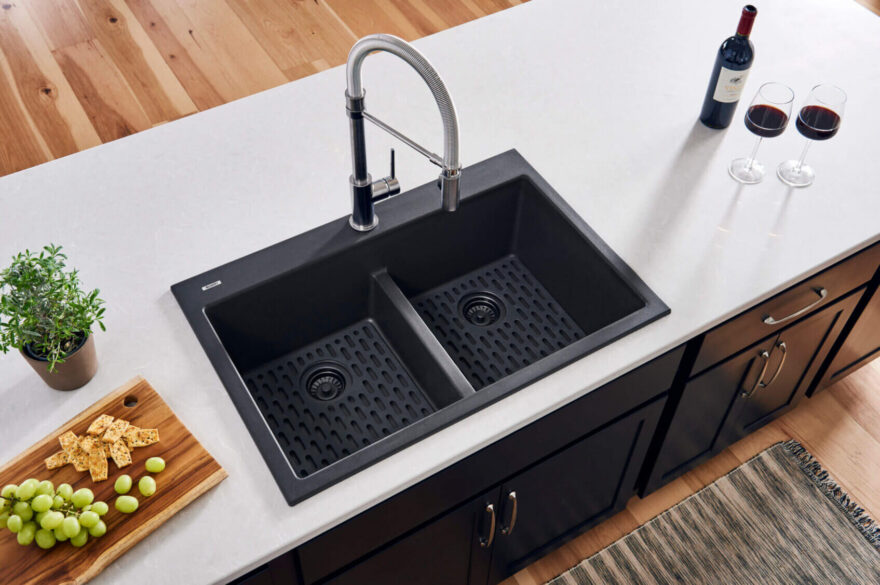
The modern kitchen has evolved into a space where functionality meets sophisticated design, and nothing captures this evolution quite like a black kitchen sink. Once considered unconventional, black sinks have surged in popularity among homeowners, interior designers, and renovation enthusiasts who seek to create a bold statement while maintaining practical functionality. This comprehensive exploration delves into everything you need to know about selecting, installing, and maintaining a black kitchen sink that will serve as the centerpiece of your culinary workspace for years to come.
What Makes Black Kitchen Sinks a Premium Choice for Modern Homes?
Black kitchen sinks represent more than just a color preference—they embody a design philosophy that prioritizes both aesthetics and performance. The surge in popularity stems from several compelling factors that make these fixtures an intelligent investment for contemporary kitchens. Unlike traditional stainless steel or white porcelain options, black sinks offer a unique visual weight that anchors the kitchen design while providing unexpected practical advantages.
The aesthetic appeal of a black kitchen sink cannot be overstated. These fixtures create an immediate focal point that draws the eye and establishes a sophisticated atmosphere in any kitchen environment. The deep, rich tones of black complement virtually every design style, from ultra-modern minimalist spaces to warm, rustic farmhouse kitchens. When paired with contrasting countertops—whether marble, quartz, or butcher block—a black sink creates a stunning visual dynamic that elevates the entire room’s ambiance.
Beyond aesthetics, black sinks offer remarkable practical benefits that often surprise first-time buyers. The darker surface naturally conceals water spots, mineral deposits, and minor scratches that would be immediately visible on lighter-colored sinks. This characteristic makes black sinks particularly appealing for busy households where maintenance time is limited but appearance remains important. Additionally, the manufacturing process for quality black sinks typically involves advanced materials and techniques that result in superior durability and heat resistance compared to standard options.
Understanding Different Materials for Black Kitchen Sinks
The material composition of your black kitchen sink fundamentally determines its performance characteristics, longevity, and maintenance requirements. Modern manufacturing has produced several excellent options, each with distinct advantages that cater to different household needs and design preferences.
Granite Composite Black Sinks
Granite composite represents the gold standard for black kitchen sinks in terms of durability and aesthetic appeal. These sinks combine natural granite stone particles—typically comprising 80% of the material—with high-quality acrylic resins that bind the components into an extraordinarily strong, non-porous surface. The manufacturing process involves intense pressure and heat that fuses these materials into a homogeneous product that resists scratches, chips, and thermal shock far better than traditional materials.
The non-porous nature of granite composite means that black kitchen sinks made from this material resist staining from coffee, wine, and other potentially problematic substances that frequently contact kitchen sinks. This characteristic also prevents bacterial growth and odor absorption, making granite composite an excellent choice for households concerned about hygiene. The material’s density provides exceptional sound dampening, significantly reducing the noise created by running water and clattering dishes—a feature particularly appreciated in open-concept living spaces where kitchen sounds carry into adjacent rooms.
Quality granite composite black sinks typically feature UV-stable pigments that prevent fading even with years of exposure to natural light streaming through kitchen windows. The material maintains its deep, rich black color indefinitely, ensuring that your sink looks as impressive five years after installation as it did on day one. Temperature resistance is another standout feature, with granite composite easily handling boiling water, hot pans, and extreme temperature fluctuations without damage or discoloration.
Fireclay Black Kitchen Sinks
Fireclay represents traditional craftsmanship applied to modern aesthetics, creating black kitchen sinks with timeless appeal and exceptional longevity. The manufacturing process involves molding clay at extremely high temperatures—often exceeding 2000 degrees Fahrenheit—which creates a remarkably hard, glass-like surface with a distinctive smooth finish. The black coloring in fireclay sinks comes from pigments added during the manufacturing process, resulting in consistent coloration throughout the material rather than just a surface coating.
The primary advantage of fireclay black sinks lies in their remarkable resistance to scratches, chips, and impacts. The firing process creates a surface hardness that rivals natural stone, making these sinks practically immune to the daily wear that would gradually degrade lesser materials. This durability makes fireclay an excellent choice for households with heavy dish loads, frequent cooking, and the occasional dropped pot or utensil. The non-porous glazed surface resists staining and discoloration while remaining easy to clean with simple soap and water.
Fireclay black kitchen sinks also offer excellent heat resistance, easily accommodating hot cookware and boiling liquids without risk of damage. The material’s thermal properties help retain heat, which can be advantageous when washing dishes by hand in hot water. However, potential buyers should note that fireclay sinks tend to be heavier than other options, requiring robust cabinet support and professional installation to ensure proper mounting and long-term stability.
Cast Iron Black Sinks with Enamel Coating
Cast iron black kitchen sinks feature a traditional iron base coated with a baked-on porcelain enamel finish available in deep black tones. This manufacturing approach combines the substantial weight and durability of cast iron with the smooth, glossy finish of enamel, creating sinks that offer both visual appeal and functional advantages. The enamel coating provides the black color and protects the underlying iron from rust and corrosion.
The substantial weight of cast iron contributes to exceptional stability during use and outstanding sound dampening properties. Water flowing into a cast iron sink produces minimal noise compared to thinner materials, creating a quieter kitchen environment. The enamel surface offers good resistance to staining and maintains its glossy appearance with regular cleaning. These sinks work particularly well in traditional kitchen designs where their classic aesthetic complements vintage or transitional décor elements.
However, cast iron black sinks require more careful handling than granite composite or fireclay options. The enamel coating, while durable, can chip if struck by heavy objects with sufficient force. These chips expose the underlying iron, which can then rust if not promptly repaired. Regular maintenance involves gentle cleaning with non-abrasive products to preserve the enamel’s glossy finish and prevent scratching. Despite these considerations, quality cast iron sinks can last decades when properly cared for, making them a worthwhile investment for the right household.
Stainless Steel with Black Finish
Black stainless steel represents a contemporary innovation that brings the proven reliability of stainless steel to those desiring a black kitchen sink aesthetic. Manufacturers achieve the black coloring through various processes, including PVD (Physical Vapor Deposition) coating or specialized black oxide treatments that create a durable dark finish on the stainless steel substrate. This approach combines the corrosion resistance and strength of stainless steel with the modern visual appeal of a black surface.
These sinks offer several advantages including excellent durability, resistance to corrosion and rust, and relatively lightweight construction compared to cast iron or fireclay options. The underlying stainless steel provides structural integrity and ensures the sink maintains its shape under heavy use. Black stainless steel sinks also tend to be more budget-friendly than premium granite composite or fireclay options, making them accessible for renovation projects with tighter financial constraints.
The finish on black stainless steel kitchen sinks requires attention to maintain its appearance over time. Fingerprints, water spots, and smudges tend to show more readily on the black surface compared to traditional stainless steel, necessitating more frequent wiping and cleaning. The black coating can potentially scratch or wear over time with aggressive cleaning or heavy use, though quality products with robust finishes minimize this concern. Regular maintenance with appropriate cleaning products designed for black stainless steel helps preserve the finish and ensures long-term satisfaction.
Choosing the Right Configuration for Your Black Kitchen Sink
Configuration selection significantly impacts both the functionality and aesthetic integration of your black kitchen sink within your kitchen workspace. Understanding the various layout options helps ensure you select a sink that perfectly matches your household’s cooking and cleaning patterns while complementing your overall kitchen design.
Single Bowl vs Double Bowl Black Sinks
Single bowl black kitchen sinks provide maximum basin capacity and unobstructed workspace for washing large items like baking sheets, roasting pans, and stockpots. The continuous interior surface accommodates oversized cookware that would be impossible to maneuver in divided configurations. Modern single bowl designs typically feature generous depths ranging from 9 to 12 inches, providing ample space for stacking dishes or filling large pots without overflow. This configuration works exceptionally well for serious home cooks who regularly prepare elaborate meals requiring numerous large cooking vessels.
The open layout of single bowl black sinks also facilitates the installation of accessories like cutting boards, colanders, and drying racks that rest over the sink opening. These additions extend the sink’s functionality while maintaining the clean lines that make single bowl configurations visually appealing. The unified basin also simplifies cleaning, as there’s no divider to work around when wiping down the interior surfaces.
Double bowl configurations divide the sink into two separate basins, creating dedicated spaces for different tasks. This layout excels in households where multiple people work in the kitchen simultaneously or where tasks like food preparation and dish washing occur concurrently. One basin can soak dirty dishes while the other remains available for rinsing produce or filling water glasses. The divided layout also supports the traditional washing method where one basin holds soapy water for washing while the other contains clean rinse water.
Black kitchen sinks with double bowl configurations typically come in several arrangements including 50/50 splits where both basins have equal size, 60/40 divisions that create one larger primary basin with a smaller secondary basin, and 70/30 layouts that maximize one basin while providing a smaller auxiliary space. The unequal divisions offer versatility by accommodating large items in the primary basin while maintaining a separate space for garbage disposal mounting or quick rinsing tasks. When selecting a double bowl configuration, consider your typical workflow patterns and the size constraints of your available counter space.
Undermount vs Drop-In Installation for Black Sinks
Installation method profoundly affects both the visual presentation and practical performance of your black kitchen sink. Understanding the characteristics of each approach helps ensure you make an informed decision that aligns with your kitchen design goals and installation capabilities.
Undermount installation mounts the black kitchen sink beneath the countertop surface, creating a seamless transition from counter to sink with no visible rim or lip. This approach delivers a sleek, modern aesthetic that showcases the countertop material while emphasizing the sink as an integrated design element rather than an appliance. The undermount method provides significant practical advantages including easier counter cleanup, as debris and water can be swept directly into the sink without encountering a raised rim that would trap particles and moisture.
The undermount approach works best with solid surface countertops like granite, quartz, or solid surface materials that can support the sink’s weight and provide a water-resistant edge. Installation requires professional expertise to ensure proper support and sealing, as the sink’s entire weight hangs from the underside of the countertop. Quality undermount installations incorporate robust mounting hardware and waterproof sealants that prevent moisture infiltration and ensure long-term stability.
Drop-in installations, also called top-mount or self-rimming sinks, rest on top of the countertop with a visible rim that overlaps the counter opening. This traditional installation method offers several advantages including easier DIY installation, compatibility with virtually any countertop material, and typically lower installation costs compared to undermount approaches. The visible rim provides a finished edge that conceals any imperfections in the counter cutout, making drop-in installation more forgiving for self-installed projects.
Black kitchen sinks with drop-in installation create a distinct visual statement where the dark sink contrasts with the surrounding countertop. This border effect can either complement or compete with the overall design depending on execution, making thoughtful selection of rim width and countertop color crucial for achieving cohesive aesthetics. The rim does create a slight maintenance consideration, as the junction between sink and counter can accumulate debris and requires regular cleaning to prevent buildup and maintain appearance.
Apron Front Black Farmhouse Sinks
Apron front or farmhouse style black kitchen sinks feature a distinctive exposed front panel that extends beyond the cabinet face, creating a bold architectural statement that has become synonymous with farmhouse and transitional kitchen designs. The black finish brings contemporary sophistication to this traditional form, creating a stunning focal point that bridges rustic charm with modern elegance.
Suggested read: Transform Your Cooking Space: Kitchen Wallpaper Ideas That Actually Work
These sinks typically feature substantial depth and capacity, with front panels ranging from 9 to 12 inches high and basin depths that maximize usable space. The exposed front eliminates the counter overhang found in standard installations, allowing users to stand closer to the sink, which reduces back strain during extended washing sessions and improves ergonomics for tall individuals. This positioning also makes the sink more accessible for children or individuals with mobility limitations who benefit from reduced reach distance.
Installation of apron front black kitchen sinks requires modified cabinetry specifically designed to accommodate the exposed front panel. Standard base cabinets lack the necessary modifications, necessitating either custom cabinetry or retrofit solutions that adapt existing cabinets to support the unique mounting requirements. Professional installation is strongly recommended to ensure proper support, as these sinks—particularly those made from fireclay or cast iron—can weigh several hundred pounds when filled with water.
The visual impact of a black apron front sink cannot be overstated. The expansive black surface creates a dramatic anchor point in the kitchen, drawing attention and establishing a clear design statement. This prominence makes careful consideration of surrounding elements crucial—backsplash materials, countertop selections, cabinet hardware, and faucet finishes should all complement the bold presence of the black farmhouse sink to create cohesive, intentional design.
Essential Considerations When Selecting a Black Kitchen Sink
Choosing the optimal black kitchen sink requires careful evaluation of multiple factors that extend beyond initial aesthetic appeal. These considerations ensure your selection delivers long-term satisfaction through appropriate sizing, proper functionality, and compatibility with your household’s unique requirements.
Size and Dimension Planning
Accurate measurement represents the foundation of successful sink selection, preventing costly mistakes and ensuring your chosen black kitchen sink integrates properly within available space. Begin by measuring your existing cabinet opening or the designated cabinet if installing in a new kitchen. Standard base cabinets measure 24 inches deep, but the usable space for sink installation is typically somewhat less after accounting for cabinet walls and mounting requirements.
Sink dimensions should balance maximum capacity with practical workspace preservation. Larger sinks offer increased functionality but consume valuable counter space that might be needed for food preparation or appliance placement. Consider your typical usage patterns—households that regularly wash large pots and baking sheets benefit from deeper, wider basins, while those primarily washing everyday dishes and produce might prefer a more moderately sized sink that preserves counter space for other activities.
Depth represents another crucial dimension that significantly impacts functionality. Black kitchen sinks typically range from 7 to 12 inches deep, with deeper options providing greater capacity and improved splash containment. Deeper sinks accommodate tall pots and stacked dishes more effectively but can create ergonomic challenges for shorter individuals who must reach down further to access the basin bottom. The ideal depth balances capacity requirements with comfortable reach for the primary users.
Cabinet compatibility extends beyond simple dimension matching to include weight considerations, especially for heavy materials like cast iron or fireclay. Standard kitchen cabinets may require reinforcement to safely support heavier sink options, particularly when filled with water and dishes. Consult with a qualified installer or contractor to assess whether your existing cabinetry can accommodate your chosen sink or whether modifications are necessary to ensure safe, stable installation.
Faucet Hole Configuration and Compatibility
The faucet mounting configuration of your black kitchen sink must align with your chosen faucet model to ensure proper installation and optimal functionality. Sinks come with various pre-drilled hole configurations ranging from zero holes for wall-mounted or deck-mounted faucets to four holes accommodating faucets with separate handles and additional accessories like soap dispensers or sprayers.
Single hole configurations accommodate modern single-handle faucets that combine hot and cold water control in one unit. This streamlined approach complements the clean lines of contemporary kitchen designs and simplifies installation by requiring only one mounting point. Three-hole layouts support widespread faucets with separate hot and cold handles flanking a central spout, offering a more traditional aesthetic that works well in transitional or classic kitchen designs.
When selecting a black kitchen sink, consider not only your current faucet but potential future replacements. Sinks with more holes offer greater flexibility, as unused holes can be covered with deck plates or plugs while still accommodating various faucet styles. Conversely, sinks with fewer pre-drilled holes limit options but maintain cleaner lines that appeal to minimalist design sensibilities.
Some premium black sinks offer custom drilling services where the manufacturer creates the exact hole configuration specified by the customer. This approach ensures perfect compatibility with your chosen faucet while maintaining the sink’s structural integrity through precise, professional drilling. If selecting this option, carefully verify all measurements and specifications before ordering, as custom configurations typically cannot be modified or returned.
Gauge Thickness for Stainless Steel Black Sinks
For black kitchen sinks constructed from stainless steel with black finishes, gauge measurement indicates the metal’s thickness with lower numbers representing thicker, more durable material. Understanding gauge ratings helps ensure you select a sink with appropriate durability for your usage requirements and quality expectations.
Premium black stainless steel sinks typically feature 16 or 18 gauge construction, providing substantial thickness that resists denting, flexing, and noise. The heavier material dampens sound more effectively, creating a quieter experience when water contacts the sink surface or dishes clatter within the basin. Thicker gauges also maintain their shape better over time, resisting the warping or sagging that can occur with thinner materials under the weight of water and dishes.
Budget-oriented options often utilize 20 or 22 gauge stainless steel, which reduces material costs but sacrifices some durability and sound dampening characteristics. While these thinner sinks function adequately for light to moderate use, they may dent more easily and produce more noise during operation. For households with heavy sink usage, the incremental cost of thicker gauge material typically proves worthwhile through improved long-term performance and satisfaction.
Installation Best Practices for Black Kitchen Sinks
Proper installation ensures your black kitchen sink performs optimally while avoiding common problems like leaks, sagging, or premature failure. Whether undertaking DIY installation or working with professionals, understanding best practices helps ensure successful outcomes.
Professional vs DIY Installation Decision Making
The decision between professional installation and DIY approach depends on multiple factors including sink type, installation method, plumbing complexity, and personal skill level. Undermount black kitchen sinks typically require professional installation due to the precision and specialized techniques necessary for secure mounting and proper sealing. The sink must be precisely positioned and adequately supported to prevent sagging while ensuring watertight seals that resist moisture infiltration.
Drop-in installations offer more DIY-friendly opportunities, particularly for homeowners with basic plumbing knowledge and appropriate tools. The self-supporting rim simplifies mounting and provides more forgiving installation tolerances. However, even drop-in sinks benefit from professional expertise when dealing with heavy materials like cast iron or fireclay that require careful handling and robust support structures.
Apron front black kitchen sinks present unique installation challenges that typically warrant professional assistance. Cabinet modifications, specialized mounting systems, and precise alignment requirements demand experience and expertise to achieve proper installation. The substantial weight of many farmhouse-style sinks also creates safety concerns during installation that professional installers are better equipped to manage.
When evaluating installation options, consider the total project cost including potential mistakes, required tools, and the value of warranty protection. Many sink manufacturers require professional installation to maintain warranty coverage, making DIY approaches potentially risky if problems arise. Professional installers also carry liability insurance protecting homeowners from damage that might occur during installation, providing peace of mind worth considering in the decision-making process.
Critical Installation Steps and Considerations
Successful installation of a black kitchen sink begins with thorough preparation including accurate template positioning, precise cutting of counter openings, and proper cabinet reinforcement for heavy sink models. Templates provided by manufacturers must be carefully aligned and secured before cutting to ensure accurate sink positioning and adequate clearance for mounting hardware.
Sealing represents perhaps the most critical aspect of sink installation, as inadequate sealing leads to water damage, mold growth, and premature failure of surrounding cabinetry and countertops. Quality installation utilizes appropriate sealants designed specifically for kitchen sink applications, with silicone-based products generally offering superior water resistance and longevity. Sealant should be applied generously to all contact surfaces between sink and counter, creating continuous waterproof barriers that prevent moisture infiltration.
Plumbing connections require careful attention to ensure leak-free operation and proper drainage. All threaded connections should be wrapped with plumber’s tape and hand-tightened before using wrenches to avoid over-tightening that can crack fittings. Drain assemblies must be properly aligned and sealed to prevent leaks while ensuring smooth water flow. After completing all connections, thorough testing involving running water for several minutes while checking all connection points for leaks confirms successful installation.
For undermount black kitchen sinks, proper support clips or mounting brackets must be installed according to manufacturer specifications. These components bear the sink’s full weight plus the contents during use, making correct installation crucial for long-term stability. Support structures should be checked and retightened several weeks after initial installation, as settling can occur during the early usage period.
Maintenance and Care for Black Kitchen Sinks
Maintaining your black kitchen sink in pristine condition requires understanding the specific care requirements of your sink’s material composition. Proper maintenance preserves appearance, ensures hygiene, and extends the functional lifespan of your investment.
Daily Cleaning Routines
Daily maintenance of black kitchen sinks involves simple practices that prevent buildup and preserve the sink’s appearance. After each use, rinse the sink thoroughly with warm water to remove food particles, soap residue, and other debris. This immediate attention prevents materials from drying onto the surface where they become more difficult to remove and potentially cause staining.
Following rinsing, wipe the sink dry with a soft cloth or microfiber towel. This practice prevents water spots and mineral deposits that can accumulate over time and create a chalky appearance on dark surfaces. The wiping process takes only moments but significantly impacts long-term appearance by preventing the gradual buildup of hard water deposits that eventually require more aggressive cleaning methods.
For routine cleaning, use mild dish soap and warm water applied with a soft sponge or cloth. This gentle approach effectively removes everyday soil without risking damage to the sink’s finish. Avoid abrasive scrubbing pads, steel wool, or harsh chemical cleaners that can scratch or dull the surface of black kitchen sinks, particularly those with glossy finishes or specialized coatings.
Suggested read: Unveiling the Secrets of Camp Kitchens with Sinks: The Ultimate Guide
Deep Cleaning and Stain Removal
Periodic deep cleaning removes stubborn stains and restores the original appearance of black kitchen sinks. For granite composite sinks, a paste made from baking soda and water effectively addresses most stains without damaging the surface. Apply the paste to affected areas, allow it to sit for several minutes, then gently scrub with a soft brush or cloth before rinsing thoroughly.
Mineral deposits from hard water respond well to white vinegar treatment. Soak paper towels in white vinegar and lay them over affected areas, allowing them to sit for 30 minutes to an hour. The mild acidity dissolves mineral buildup without harming sink materials. After soaking, wipe away the deposits and rinse thoroughly with water. For persistent deposits, repeat the process or use commercial cleaners specifically formulated for your sink material.
Rust stains occasionally appear on black kitchen sinks, particularly around drain areas or where metal objects have been left in contact with the surface. Address rust stains promptly using specialized rust removers designed for kitchen fixtures, following manufacturer instructions carefully. For granite composite sinks, some manufacturers offer proprietary cleaning products specifically formulated to address common staining issues without risking damage to the material.
Oil and grease buildup can create dull spots on black sinks that diminish their visual appeal. Address these areas using a degreasing dish soap or a mixture of baking soda and water scrubbed gently with a soft cloth. For stubborn grease, allow the cleaning solution to sit on the affected area for several minutes before scrubbing to give the cleaner time to break down the oils.
Protective Measures and Prevention
Implementing protective measures prevents damage and reduces maintenance requirements for black kitchen sinks. Use sink grids or protective mats in the basin bottom to prevent scratches from heavy cookware and reduce impact damage from dropped items. These accessories also improve drainage by elevating dishes slightly off the sink bottom, allowing water to flow freely around them.
Avoid leaving metal objects like cast iron pans or stainless steel utensils in prolonged contact with the sink surface, as these can sometimes cause rust staining or leave metal marks that require special cleaning. Similarly, avoid exposing the sink to extremely harsh chemicals including drain cleaners, paint removers, or strong acids that can damage finishes and compromise the sink’s appearance.
Heat protection represents another consideration, though quality black kitchen sinks generally handle normal kitchen temperatures without issues. While granite composite and fireclay sinks resist thermal shock, avoid placing pots directly from the stove or oven into the sink without first running cold water to moderate temperature differences. This practice prevents potential thermal stress that could theoretically cause cracking in extreme circumstances.
Design Integration: Styling Your Black Kitchen Sink
Successfully integrating a black kitchen sink into your overall design requires thoughtful consideration of surrounding elements that either complement or contrast with the dark fixture. Strategic design choices transform the sink from a simple functional element into a cohesive component of your kitchen’s aesthetic vision.
Countertop Pairings for Maximum Impact
Countertop selection dramatically influences how your black kitchen sink integrates within the overall kitchen design. Light-colored countertops including white marble, light gray quartz, or cream-colored surfaces create striking contrast that emphasizes the sink as a focal point. This high-contrast approach works particularly well in modern kitchens where bold geometric elements and clear visual hierarchies define the design language.
White or light gray quartz countertops paired with black sinks create a classic contemporary look that feels both timeless and current. The neutral palette allows colorful accents through backsplash tiles, cabinet hardware, or decorative accessories to punctuate the space without overwhelming the clean foundation established by the black and white combination. This pairing also offers practical benefits, as the light countertop shows spills and crumbs that might be missed on darker surfaces, encouraging regular cleaning that maintains hygiene.
Butcher block or natural wood countertops provide warmth that balances the modern edge of a black kitchen sink. This combination works beautifully in transitional or farmhouse-style kitchens where blending traditional elements with contemporary features creates layered, sophisticated spaces. The organic grain patterns and honey tones of wood create visual interest that prevents the black sink from feeling too stark or severe.
Dark countertops in shades of black, deep gray, or charcoal create monochromatic schemes where the black kitchen sink integrates seamlessly rather than standing out as a contrasting element. This approach works well for creating sophisticated, cohesive designs where subtlety and refinement take precedence over bold statements. However, this combination requires careful attention to texture, finish variations, and lighting to prevent the space from feeling too dark or heavy.
Faucet and Hardware Coordination
Faucet selection significantly impacts how successfully your black kitchen sink integrates into the overall design. Matte black faucets create a monochromatic look that emphasizes the sink as part of a unified design statement rather than a standalone element. This approach works particularly well in modern or industrial-style kitchens where consistent material palettes and finish treatments create visual cohesion.
Chrome or stainless steel faucets provide classic contrast that works across various design styles from traditional to contemporary. The bright metallic finish catches light and draws attention upward from the dark sink basin, creating visual balance and preventing the sink area from feeling too heavy. This combination offers the added benefit of easy hardware coordination, as chrome or stainless finishes typically match other kitchen fixtures including cabinet pulls, appliance finishes, and light fixtures.
Brushed gold or brass faucets paired with black kitchen sinks create luxurious combinations that feel both elegant and on-trend. The warm metallic tones soften the starkness of black while adding sophistication and visual interest. This pairing works particularly well in kitchens with warm color palettes, natural wood elements, or traditional design influences where the brass adds heritage character.
Oil-rubbed bronze faucets complement black sinks beautifully in traditional or rustic kitchen designs. The dark bronze finish relates closely enough to the black sink to feel coordinated while offering enough tonal variation to prevent a flat, monotonous appearance. This combination works exceptionally well with apron-front farmhouse sinks where the traditional form of the sink aligns with the classic appeal of oil-rubbed bronze finishes.
Cabinet and Backsplash Considerations
Cabinet color and finish significantly influence how a black kitchen sink reads within the space. White cabinets create fresh, clean backgrounds that allow the black sink to stand out as an intentional design feature. This classic combination works across style ranges from modern farmhouse to contemporary minimalist, offering versatility that remains appealing through changing trends.
Dark cabinets in charcoal, navy, or black create sophisticated monochromatic schemes where the sink integrates seamlessly into a cohesive dark palette. This approach requires abundant natural light or strategic artificial lighting to prevent the space from feeling too dark or closed in. The uniformity of color shifts attention toward texture, materials, and form rather than color contrast, creating refined spaces that feel intentional and carefully curated.
Natural wood cabinets provide warmth and organic texture that balances the modern presence of a black kitchen sink. Medium to dark wood tones in walnut, cherry, or stained oak create rich environments where the black sink feels grounded and appropriate. Lighter wood tones including maple or oak with natural finishes create casual, approachable spaces where the black sink adds contemporary edge without feeling out of place.
Backsplash selection offers opportunities to tie the black kitchen sink into the broader design through material choices, pattern work, or color coordination. White subway tiles with black grout create classic patterns that echo the black sink while maintaining bright, open feelings. Marble or stone backsplashes with black veining draw connections between the sink and wall surfaces, creating visual continuity. Bold patterned tiles incorporating black elements make deliberate design statements that embrace the sink as part of a confident, creative vision.
Black Kitchen Sink Buying Guide: What to Look For
When shopping for a black kitchen sink, understanding quality indicators and manufacturer differences helps ensure you select a product that delivers long-term satisfaction and appropriate value for your investment.
Brand Reputation and Quality Indicators
Established brands with proven track records in sink manufacturing typically deliver superior products backed by comprehensive warranties and customer support. Leading manufacturers including Blanco, Kraus, Kohler, and Ruvati have earned reputations for producing reliable black kitchen sinks that perform well over extended periods. These companies invest in research, development, and quality control processes that result in consistent products meeting high standards.
Quality indicators include warranty terms, with better sinks typically offering longer coverage periods reflecting manufacturer confidence in product durability. Premium black kitchen sinks often include lifetime warranties covering manufacturing defects and material failures, while budget options might offer limited coverage of just a few years. Review warranty terms carefully, noting any exclusions or conditions that might affect coverage.
Material certifications and testing standards provide objective quality measures. Look for sinks certified by organizations like NSF International or meeting ANSI standards for safety and performance. These certifications confirm the sink meets established benchmarks for factors including lead content, chemical resistance, and structural integrity.
Customer reviews offer valuable insights into real-world performance and potential issues. Research reviews across multiple platforms to identify consistent patterns regarding quality, durability, and customer service experiences. Pay particular attention to long-term reviews written years after purchase, as these reveal how the sink performs over time rather than just initial impressions.
Budget Considerations and Value Assessment
Black kitchen sinks span wide price ranges from budget-friendly options under $200 to premium models exceeding $1,000. Understanding the factors driving these price differences helps determine appropriate spending levels for your situation. Entry-level sinks typically utilize thinner materials, simpler manufacturing processes, and less extensive quality control, resulting in adequate performance for light to moderate use but potentially shorter lifespans.
Mid-range options from $300 to $600 typically offer significantly improved materials, better construction quality, and more comprehensive warranties. These sinks generally provide the best value for most homeowners, delivering reliable long-term performance without premium pricing. The quality difference between budget and mid-range options often substantially exceeds the price difference, making mid-range selections worthwhile for most installations.
Premium black kitchen sinks command higher prices through superior materials, advanced manufacturing techniques, innovative features, and comprehensive warranty coverage. These products target demanding users, high-end kitchen renovations, and design-focused projects where the sink serves as a significant aesthetic element. The premium over mid-range options may not be justified for basic functional needs but becomes worthwhile for households prioritizing durability, unique features, or specific aesthetic requirements.
When assessing value, consider the total cost of ownership including installation, maintenance requirements, and expected lifespan. A more expensive sink requiring minimal maintenance and lasting decades may prove less costly overall than a cheaper option needing replacement after a few years. Factor in your household’s sink usage intensity, aesthetic priorities, and renovation budget constraints when determining appropriate spending levels.
Suggested read: Unlock the Secrets of Modern Kitchen Sinks: Discoveries and Insights for a Stunning Kitchen
Top Black Kitchen Sink Styles and Trends
Current design trends influence black kitchen sink popularity and guide consumer preferences toward specific styles, configurations, and finish treatments that define contemporary kitchen aesthetics.
Matte vs Glossy Black Finishes
Matte black finishes dominate current trends for black kitchen sinks, offering sophisticated appearances that resist showing fingerprints, water spots, and minor imperfections. The low-luster surface creates understated elegance that aligns with contemporary design preferences for subtle, refined aesthetics over high-shine glamour. Matte finishes also tend to photograph beautifully, contributing to their popularity in design-focused social media content.
The tactile quality of matte black surfaces appeals to homeowners seeking sensory experiences beyond pure visual impact. The slightly textured feel of matte finishes creates subtle friction that feels substantial and well-crafted. This finish choice works particularly well in modern farmhouse, industrial, and contemporary kitchens where authentic materials and honest construction take design precedence.
Glossy black finishes offer different aesthetic qualities including high shine that reflects light and creates visual interest through surface reflections. These finishes feel more formal and luxurious, working well in traditional or transitional kitchens where polished elegance defines the design direction. The mirror-like quality of glossy black creates dramatic statements, particularly when paired with similarly high-gloss countertops or backsplash materials.
However, glossy black kitchen sinks require more frequent maintenance to preserve their appearance. Fingerprints, water spots, and soap residue show more readily on glossy surfaces, necessitating regular wiping to maintain the pristine look. For busy households with limited time for sink maintenance, matte finishes typically prove more practical while still delivering sophisticated black aesthetics.
Integrated Accessories and Smart Features
Modern black kitchen sinks increasingly incorporate integrated accessories that extend functionality beyond basic washing and rinsing. Built-in cutting boards that slide into custom rails transform the sink area into temporary food prep space, maximizing efficiency in compact kitchens. These accessories typically match or complement the sink’s black finish, maintaining cohesive aesthetics while adding practical utility.
Colander inserts designed to nest within specific sink models facilitate food preparation and vegetable washing while water drains directly into the sink below. Roll-up drying racks made from silicone or coated wire create temporary drying surfaces over the sink basin, then roll into compact bundles for storage when not needed. Bottom grids protect sink surfaces from scratches while elevating dishes for better drainage and air circulation.
Some premium black kitchen sinks incorporate smart features including touchless drainage systems, integrated LED lighting, or sensor-activated water flow controls. These technological integrations appeal to households embracing smart home technologies and seeking maximum convenience in daily routines. While these features command premium prices, they offer genuine utility improvements that justify the investment for technology-enthusiastic homeowners.
Comparing Popular Black Kitchen Sink Brands
Understanding differences between leading black kitchen sink manufacturers helps narrow selections to brands aligning with your quality expectations, budget constraints, and feature priorities.
Blanco Black Kitchen Sinks
Blanco stands as a premier manufacturer of black kitchen sinks, particularly renowned for their Silgranit composite material that combines granite’s natural beauty with modern engineering. Their black sinks feature consistent coloring, excellent stain resistance, and outstanding durability backed by comprehensive warranties. Blanco’s extensive product line includes various configurations from single bowl undermounts to double bowl drop-in models and dramatic apron-front farmhouse sinks.
The company’s Silgranit material has earned certifications for hygiene and quality from independent testing organizations, confirming its non-porous surface resists bacterial growth. Blanco sinks handle thermal shock exceptionally well, transitioning from boiling water to ice without cracking or damage. The material’s density provides excellent sound dampening, creating quieter kitchen environments compared to standard stainless steel alternatives.
Price points for Blanco black kitchen sinks typically fall in the mid-range to premium categories, reflecting the quality materials and manufacturing processes the company employs. While more expensive than budget alternatives, Blanco products deliver value through longevity, performance, and aesthetic consistency that justifies the investment for many homeowners.
Kraus Black Kitchen Sinks
Kraus offers diverse black kitchen sink options spanning multiple material categories including granite composite and black stainless steel. The brand has built a strong reputation for delivering quality products at competitive price points, making premium features accessible to broader audiences. Kraus sinks often include complementary accessories like bottom grids and cutting boards, adding value to their offerings.
The company’s granite composite sinks feature KrausGuard antimicrobial protection that inhibits bacterial growth and odors. Their black finishes resist fading and maintain consistent coloring even with years of sun exposure and regular use. Kraus provides limited lifetime warranties on many models, demonstrating confidence in product durability while offering customer protection against manufacturing defects.
Kraus black kitchen sinks typically occupy the budget to mid-range price categories, offering excellent value propositions for homeowners seeking quality without premium pricing. The brand’s focus on accessible luxury makes their products popular choices for kitchen renovations where budget constraints exist but quality remains important.
Kohler Black Kitchen Sinks
Kohler brings over a century of plumbing expertise to their black kitchen sink offerings, leveraging extensive manufacturing experience to create reliable products across various style categories. The company produces black sinks in multiple materials including cast iron with black enamel coatings and composite materials developed through proprietary processes.
Kohler’s design philosophy emphasizes versatility, offering black sinks that work across style ranges from traditional to contemporary. Their product line includes classic apron-front farmhouse sinks in black, sleek undermount models with minimal visual profiles, and practical drop-in configurations suited to various installation scenarios. Quality construction and attention to detail characterize Kohler products, with many models featuring generous basin depths and thoughtful ergonomic considerations.
Price points for Kohler black kitchen sinks vary widely depending on material, size, and features, with options available from mid-range to premium categories. The brand’s reputation for reliability and extensive dealer network providing customer support make Kohler products appealing to homeowners prioritizing established brands with proven track records.
Black Kitchen Sink Installation Costs and Budget Planning
Understanding the complete financial picture for installing a black kitchen sink requires consideration of multiple cost factors beyond the sink’s purchase price.
Material and Product Costs
Entry-level black kitchen sinks in basic configurations and materials typically cost between $150 and $300. These options usually feature thinner gauge stainless steel with black coatings or entry-level composite materials. While functionally adequate, these sinks may show wear more quickly and lack the durability of premium options.
Mid-range black sinks priced from $300 to $700 represent the sweet spot for most homeowners, offering significantly improved materials, better warranties, and enhanced durability. Quality granite composite, fireclay, or heavy-gauge stainless steel options in this price range deliver excellent long-term value through years of reliable performance.
Premium black kitchen sinks exceeding $700 feature top-tier materials, innovative designs, unique configurations, or prestigious brand names. These products target luxury renovations, commercial-grade home kitchens, or design-focused projects where the sink serves as a significant aesthetic statement. Prices can exceed $1,500 for large apron-front models in fireclay or premium composite materials.
Installation Labor and Additional Costs
Professional installation costs for black kitchen sinks vary based on complexity, with simple drop-in replacements potentially costing $200 to $400 in labor while complex undermount or farmhouse installations might command $400 to $800 or more. Installation costs increase for heavy materials requiring additional support structures or situations involving significant plumbing modifications.
Additional costs may include new faucets if upgrading simultaneously, ranging from $100 for basic models to over $1,000 for premium fixtures. Countertop modifications for undermount installation or apron-front sink accommodation add costs if existing counters weren’t designed for these configurations. Budget $300 to $1,500 for countertop modifications depending on material and extent of work required.
Disposal fees for removing old sinks, permits if required by local building codes, and potential cabinet reinforcement for heavy sinks represent other potential costs. Total project budgets for black kitchen sink installation typically range from $500 for basic DIY drop-in replacements to $3,000 or more for premium undermount or farmhouse installations requiring professional labor and countertop modifications.
Environmental Considerations and Sustainability
Environmentally conscious consumers increasingly consider sustainability factors when selecting black kitchen sinks, evaluating materials, manufacturing processes, and long-term environmental impacts.
Sustainable Materials and Manufacturing
Granite composite black kitchen sinks typically incorporate recycled materials in their composition, with some manufacturers using up to 50% recycled content in their products. This recycling reduces demand for newly quarried stone while diverting waste from landfills. The manufacturing process for quality composite sinks has improved efficiency over time, reducing energy consumption and emissions compared to older production methods.
Fireclay sinks utilize naturally abundant clay materials and water-based glazes, creating products free from harmful chemicals or off-gassing. The firing process requires significant energy but produces exceptionally durable products that last decades, offsetting initial environmental costs through extended product lifespans that eliminate repeated manufacturing and replacement cycles.
Suggested read: Enhance Your Al Fresco Dining: Build an Outdoor Kitchen with Smoker Today
Stainless steel black kitchen sinks benefit from the metal’s excellent recyclability, as stainless steel can be recycled indefinitely without quality degradation. At end of life, these sinks can enter recycling streams where the material gets reprocessed into new products. However, the coating processes creating black finishes may complicate recycling, so research specific products to understand their end-of-life recyclability.
Water Conservation Features
Some black kitchen sinks incorporate design elements supporting water conservation including integrated spray heads that aerate water for effective rinsing with reduced flow rates. Deep basins requiring less water fill for soaking dishes contribute to conservation efforts compared to shallow sinks needing more water to achieve adequate soaking depth.
Dual-basin configurations can support water conservation by enabling one basin to hold soapy washing water while the other provides quick rinses, using less water than continuously running taps. When paired with water-efficient faucets featuring flow restrictors or aerators, black sinks become components of comprehensive water conservation strategies that reduce household consumption without sacrificing functionality.
Frequently Asked Questions About Black Kitchen Sinks
Are black kitchen sinks hard to keep clean?
No, black kitchen sinks are actually easier to maintain than many people expect. Quality black sinks made from granite composite or fireclay naturally hide water spots, mineral deposits, and minor scratches that show prominently on stainless steel or white sinks. Daily maintenance involves simply rinsing after use and wiping dry with a soft cloth. The dark color conceals everyday wear while matte finishes resist fingerprints better than glossy surfaces. Most cleaning requires only mild soap and water, with occasional deep cleaning for stubborn stains using baking soda paste or white vinegar.
Do black sinks scratch easily?
The scratch resistance of black kitchen sinks depends on material composition. Granite composite and fireclay black sinks offer excellent scratch resistance rivaling natural stone, handling normal kitchen use including abrasive cleaning and heavy cookware without visible damage. Cast iron with enamel coating provides good scratch resistance but can chip if struck forcefully. Black stainless steel sinks are more prone to scratching than composite alternatives, though quality finishes minimize this concern. Using sink grids or protective mats further reduces scratch risk regardless of material.
What is the best material for a black kitchen sink?
Granite composite represents the optimal material for most black kitchen sinks due to its exceptional durability, stain resistance, heat tolerance, and low maintenance requirements. This material combines natural stone’s aesthetic appeal with engineered performance characteristics that excel in demanding kitchen environments. Fireclay offers similar benefits with a smoother finish preferred in traditional designs. Black stainless steel works well for budget-conscious buyers seeking the proven reliability of stainless steel with modern aesthetics. Material selection ultimately depends on budget, design preferences, and usage patterns.
Can you use bleach on black kitchen sinks?
Most black kitchen sinks should not be exposed to undiluted bleach, which can damage finishes and discolor surfaces. However, granite composite and fireclay sinks typically tolerate diluted bleach solutions (1 part bleach to 10 parts water) for occasional disinfection without harm. Always rinse thoroughly after using any bleach solution and never let it sit on the surface for extended periods. For routine disinfection, consider gentler alternatives including white vinegar or specialized sink cleaners designed for your specific material. Always check manufacturer recommendations before using any harsh chemicals.
How long do black kitchen sinks last?
Quality black kitchen sinks typically last 15 to 30 years or more with proper care and maintenance. Granite composite and fireclay sinks often exceed 25 years of reliable service due to their exceptional durability and resistance to wear. Cast iron sinks with enamel coating can last decades if the enamel remains intact and undamaged. Black stainless steel sinks generally provide 15 to 20 years of service, with lifespan influenced by finish quality and maintenance practices. Premium brands often include lifetime warranties reflecting confidence in extended product longevity.
Do black sinks show water spots?
Black kitchen sinks show water spots less noticeably than stainless steel or white sinks, particularly models with matte finishes. While hard water can leave mineral deposits on any surface color, these deposits blend into black surfaces more naturally than on lighter colors where they create stark contrast. Regular drying after use prevents water spot formation regardless of sink color. For areas with extremely hard water, occasional treatment with white vinegar dissolves mineral buildup and restores the sink’s original appearance. Matte finishes mask water spots better than glossy surfaces.
Are black kitchen sinks more expensive than stainless steel?
Black kitchen sinks generally cost 20% to 50% more than comparable stainless steel models due to specialized materials and manufacturing processes. Entry-level black sinks start around $150 to $200, comparable to mid-range stainless steel options. Premium black granite composite or fireclay sinks ranging from $500 to $1,500 exceed most stainless steel pricing. However, black sinks often provide better value through superior durability, easier maintenance, and distinctive aesthetics that create stronger visual impact. The price difference narrows when comparing premium stainless steel models to mid-range black composite options.
What countertop colors work best with black sinks?
Black kitchen sinks pair beautifully with numerous countertop colors offering design versatility. Light-colored countertops including white, cream, or light gray create dramatic high-contrast combinations that emphasize the sink as a focal point. Natural wood countertops provide warmth balancing the black sink’s modern edge. Medium gray quartz or concrete-look surfaces create sophisticated monochromatic schemes. Even dark countertops work when sufficient lighting and varied textures prevent the space from feeling too heavy. The key involves balancing contrast levels with overall design goals and ensuring adequate lighting throughout the space.
Can black sinks be repaired if damaged?
Minor damage to black kitchen sinks can often be repaired depending on material and extent of damage. Granite composite chips and scratches can sometimes be addressed using manufacturer-supplied repair kits that fill and color-match damaged areas. Enamel chips on cast iron sinks can be repaired with specialized enamel repair compounds, though color matching proves challenging. Scratches on black stainless steel sometimes blend with appropriate polishing compounds. However, significant damage including cracks, deep chips, or extensive wear typically requires sink replacement. Prevention through careful use and protective accessories remains the best approach.
Do black kitchen sinks fade over time?
Quality black kitchen sinks from reputable manufacturers resist fading indefinitely when properly maintained. Granite composite sinks utilize UV-stable pigments throughout the material, not just surface coatings, ensuring consistent color regardless of sun exposure or age. Fireclay black sinks feature color integrated during manufacturing that won’t fade under normal conditions. Black stainless steel finishes may show wear over many years but quality PVD coatings resist fading. Cast iron with enamel coating maintains color well but can dull from abrasive cleaning. Purchasing quality products from established brands with strong warranties provides best fade resistance assurance.
Call to Action: Transform Your Kitchen with a Black Kitchen Sink Today
Ready to elevate your kitchen with the sophisticated elegance of a black kitchen sink? Now that you understand the materials, configurations, installation requirements, and maintenance needs, you’re equipped to make an informed decision that perfectly suits your household’s needs and design vision. Visit leading home improvement retailers or specialized kitchen fixture showrooms to see black sinks in person, feel different materials, and compare configurations.
Start your transformation by measuring your current sink space, evaluating your household’s usage patterns, and establishing a realistic budget that includes both the sink and professional installation if needed. Request samples from manufacturers to see how different black finishes look in your actual kitchen lighting, and don’t hesitate to consult with kitchen designers who can provide personalized recommendations based on your specific space and goals.
The right black kitchen sink will serve as both a functional workhorse and stunning design element for decades to come. Whether you choose a dramatic apron-front farmhouse sink, a sleek undermount configuration, or a practical double-bowl setup, investing in quality materials from reputable manufacturers ensures satisfaction that extends far beyond initial installation. Take the first step toward your dream kitchen today by exploring the exceptional black sink options available from leading brands like Blanco, Kraus, Kohler, and other trusted manufacturers.
Sources and Further Reading:
- Kitchen & Bath Design News – “Black Fixture Trends in Modern Kitchen Design” – https://www.kitchenbathdesign.com/black-fixtures-trends
- National Kitchen & Bath Association – “Material Performance Standards for Kitchen Sinks” – https://www.nkba.org/sink-standards
- Consumer Reports – “Kitchen Sink Buying Guide and Ratings” – https://www.consumerreports.org/kitchen-sinks

