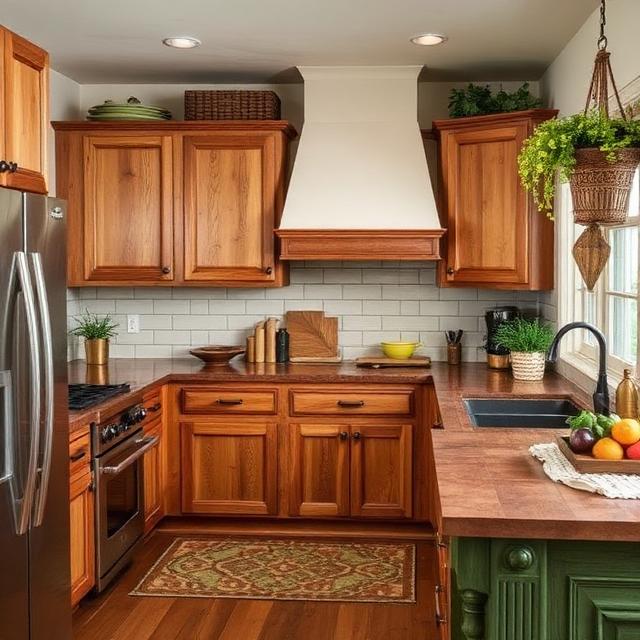
If you’ve ever walked into a kitchen and thought, “Wow, this feels like a warm hug” — there’s a good chance rustic kitchen cabinets were doing the heavy lifting. That rough-hewn wood, the distressed finishes, the way natural grain just pops — it’s the kind of style that feels both old-school and totally fresh at the same time.
And here’s the thing: rustic kitchens aren’t just for farmhouses or mountain cabins anymore. Homeowners across the U.S. are bringing this style into urban apartments, suburban homes, and even modern open-plan spaces. Whether you’re going full barn-door-and-shiplap or just want a subtle nod to that natural wood charm, rustic kitchen cabinets are one of the best investments you can make in your home.
This post breaks down everything you need to know — styles, materials, costs, color palettes, DIY tips, and what to avoid. Let’s get into it.
What Exactly Are Rustic Kitchen Cabinets?
At their core, rustic kitchen cabinets are defined by their natural, lived-in look. They draw from countryside, farmhouse, log cabin, and craftsman aesthetics. Think visible wood grain, hand-scraped textures, knotty surfaces, and finishes that look like they’ve got a story to tell.
The term “rustic” covers a broad range of styles, but what they all share is this idea of authenticity over perfection. Unlike sleek, flat-front modern cabinets, rustic ones embrace imperfections — knots, grain variations, rough edges — and turn them into design features.
Here are the core characteristics that define a rustic cabinet style:
- Natural wood tones — warm browns, honeys, tawny ambers
- Distressed or hand-scraped finishes that mimic age and wear
- Visible wood knots and grain — no hiding the natural stuff
- Raised panel or beadboard door styles
- Wrought iron or oil-rubbed bronze hardware
- Open shelving mixed in with closed cabinets
- Reclaimed or salvaged wood for that extra “been here forever” feel
According to the National Kitchen & Bath Association (NKBA), natural wood-toned cabinetry has seen a massive resurgence in recent years, with warm finishes ranking as one of the top 5 trending kitchen design choices for 2024 and beyond.
Why Rustic Kitchen Cabinets Are Still Totally Worth It in 2025
You might be wondering — is rustic still in style, or is it getting a little overdone? Great question. Here’s the honest answer: timeless never goes out of style, and rustic design falls squarely in that category.
A 2023 Houzz Kitchen Trends Study found that 41% of homeowners renovating their kitchens chose wood or wood-look cabinet finishes, with warm tones (like walnut, oak, and hickory) dominating preferences. That’s a massive jump from the all-white kitchen obsession of the early 2010s.
The bigger reason rustic cabinets stay relevant? They make a kitchen feel human. In an era of ultra-minimalist design, glass-front everything, and smart appliances, people are craving spaces that feel warm and grounded. Rustic kitchen cabinetry delivers exactly that.
Plus, practically speaking:
- They’re forgiving — scratches and dents just blend in with the aesthetic
- They hold their value — wood is a perennial favorite with homebuyers
- They’re versatile — rustic can range from ultra-casual to refined and elegant
- They pair well with almost anything — granite, quartz, butcher block, farmhouse sinks, you name it
Popular Rustic Kitchen Cabinet Styles to Know
Not all rustic is created equal. Depending on your home’s overall vibe, you’ll want to pick a sub-style that actually fits. Here’s a breakdown of the most popular types of rustic kitchen cabinets:
1. Farmhouse Rustic Cabinets
This is probably the most well-known sub-style. Farmhouse rustic blends practicality with charm — think shaker-style doors in whitewash or cream tones, open shelving, apron-front sinks, and vintage-inspired hardware. It’s warm but not dark. Casual but not sloppy.
Suggested read: The Surprising Truth About Kitchen Cabinet Height That Most Homeowners Get Wrong
Best for: Suburban homes, homes with modern farmhouse design language, kitchens that need to feel bright and airy.
2. Lodge or Cabin-Style Rustic Cabinets
This is the deep woods vibe. Dark-stained wood, heavy grain, knotty pine or cedar, and hardware that looks like it was pulled from an old hunting lodge. Think dark walnut or espresso tones, deep forest greens, and stone countertops.
Best for: Mountain homes, vacation properties, or any home where you want drama and richness.
3. Distressed Rustic Cabinets
These are cabinets that are deliberately treated to look worn. Techniques include wire brushing, sanding edges, applying glaze in the recesses, or using milk paint that chips intentionally. The effect? A cabinet that looks like it’s been in your family for three generations.
Best for: Eclectic kitchens, cottage-style homes, anyone who loves that “antique shop” feel.
4. Reclaimed Wood Cabinets
These are exactly what they sound like — cabinets built from wood salvaged from old barns, factories, or demolished buildings. The character is 100% authentic, because the wood has genuinely lived a life. No manufactured aging here.
Best for: Eco-conscious homeowners, design lovers who want one-of-a-kind pieces, urban industrial lofts going for a warm rustic contrast.
5. Craftsman-Style Rustic Cabinets
Craftsman sits at the intersection of rustic and refined. The doors often feature flat-center panels with thick, visible frames, square lines, and deep wood stains. It’s rustic, but polished enough to feel intentional and architectural.
Best for: Craftsman bungalows (obviously), homes where you want rustic without the rough-around-the-edges vibe.
Best Wood Types for Rustic Kitchen Cabinets
The wood you choose is arguably the most important decision when it comes to rustic cabinetry. Each species has its own character, price point, and durability profile.
| Wood Type | Grain Character | Durability | Average Cost (per LF) | Best For |
|---|---|---|---|---|
| Knotty Pine | Heavy knots, warm amber | Moderate | $8–$14 | Budget-friendly rustic |
| Hickory | Wild, dramatic grain | Very High | $12–$20 | Bold, statement kitchens |
| White Oak | Subtle, even grain | High | $15–$25 | Refined rustic, Japandi influence |
| Walnut | Rich, dark chocolate tones | High | $20–$35 | Luxe lodge-style |
| Reclaimed Barn Wood | Unpredictable, unique | Moderate | $25–$50 | Eco-conscious, one-of-a-kind |
| Cherry | Reddish, smooth grain | High | $18–$30 | Warm, traditional rustic |
| Alder | Fine grain, affordable | Moderate | $10–$18 | Painted or lightly stained |
Pro Tip: Knotty Alder is one of the best-kept secrets in the rustic cabinet world. It takes stain beautifully, has just enough character to look rustic, and comes in at a much lower price than walnut or hickory. Many high-end cabinet makers love it.
Rustic Kitchen Cabinet Colors and Finishes
Color matters a lot in rustic kitchen design. The palette should feel earthy, organic, and warm. Here’s what’s working well right now:
Warm Natural Wood Stains
This is your classic rustic move. Stains like golden oak, medium walnut, or tobacco brown let the grain do the talking. Nothing too dark, nothing too light — just that sweet spot where the wood feels rich and alive.
Whitewash and Limewash
Whitewashing involves applying a diluted white paint that soaks into the grain and lets the texture show through. It’s great for pine and gives you that beach cottage or European farmhouse feel. Limewash is a similar technique that adds a slightly chalky, aged quality.
Suggested read: Kitchen Sink Accessories That Will Transform How You Cook, Clean, and Organize
Two-Tone Rustic Cabinets
Huge right now. Dark lower cabinets paired with lighter upper cabinets (or vice versa) create depth and visual interest without overwhelming the space. A popular combo is navy or forest green lowers with cream or off-white uppers — all in a shaker or raised panel door style.
Painted Rustic Cabinets (Done Right)
If you’re going painted, avoid bright whites and high-gloss finishes — they fight the rustic vibe. Instead, lean toward:
- Sage green — earthy, calm, timeless
- Dusty blue — coastal rustic feel
- Warm cream or linen — farmhouse-friendly
- Terracotta or clay — earthy, Mediterranean rustic
- Charcoal or black — dramatic lodge vibe
Rustic Kitchen Cabinet Hardware: The Details That Make All the Difference
Hardware is like the jewelry of your cabinets. Get it right and the whole kitchen pulls together. Get it wrong and it’s like wearing sneakers to a wedding.
For rustic kitchen cabinets, you’re generally looking at these hardware families:
- Oil-rubbed bronze — the classic choice; dark, aged, warm
- Wrought iron — raw, handcrafted look; great for lodge-style
- Matte black — modern rustic; pairs great with white oak or sage cabinets
- Antique brass — trending hard right now; warm and elegant
- Pewter or gunmetal — understated, goes with almost anything rustic
- Ceramic or porcelain knobs — cottage and farmhouse rustic vibes
Avoid: Polished chrome, brushed nickel, or anything that looks too sleek or modern. Those finishes belong in contemporary kitchens, not rustic ones.
Hardware sizing tip: For large drawers and pantry doors, go for pulls that are at least 4–6 inches long. Tiny hardware on big cabinet doors looks awkward and out of scale.
How Much Do Rustic Kitchen Cabinets Cost?
Let’s talk money, because this is usually where people start sweating. The truth is, rustic cabinets span an enormous price range depending on material, construction, and whether you’re going stock, semi-custom, or full custom.
Cost Breakdown by Cabinet Type
| Cabinet Type | Price Range (Full Kitchen) | What You Get |
|---|---|---|
| Stock/RTA Rustic Cabinets | $1,500 – $5,000 | Pre-made, limited sizes/styles, decent quality |
| Semi-Custom Rustic Cabinets | $5,000 – $15,000 | More style options, some size flexibility |
| Full Custom Rustic Cabinets | $15,000 – $50,000+ | Fully bespoke, any wood, any finish, any size |
| Reclaimed Wood Custom | $20,000 – $80,000+ | Truly one-of-a-kind, premium pricing |
Note: These figures are for cabinets only and don’t include installation, countertops, hardware, or other remodel costs. Installation typically adds $1,500–$4,000 depending on complexity and your region.
Ways to Save Without Sacrificing Style
- Go RTA (Ready-to-Assemble) — Brands like IKEA, Forevermark, and Lily Ann Cabinets offer solid rustic-style options at a fraction of custom pricing.
- DIY the distressing — Buy cheaper shaker cabinets and distress them yourself with sandpaper, chains, and glaze.
- Mix and match — Use custom or semi-custom cabinets only for the island or a focal wall, and supplement with stock cabinets elsewhere.
- Refinish existing cabinets — If you already have solid wood cabinets, a proper rustic refinish can cost just $1,500–$3,500 and make an enormous difference.
Case Study: A $12,000 Rustic Kitchen Transformation
Sarah and Mike, homeowners in Asheville, NC, wanted to transform their dated 1990s kitchen into a warm, rustic retreat without a full gut renovation. Here’s how they pulled it off for just over $12,000:
- Cabinet refacing with knotty alder veneers: $3,800
- New raised-panel doors in a medium walnut stain: $2,400
- Antique brass hardware (47 pieces): $620
- Open floating shelves in reclaimed pine: $900
- Butcher block countertop (one section): $1,100
- Farmhouse sink swap: $750
- Backsplash tile (subway in a warm cream): $1,400
- Labor and installation: $1,050
Total: $12,020
The result? A kitchen that looks like it cost twice as much. The secret? They kept the existing cabinet boxes (which were in great shape structurally), replaced only the doors and drawer fronts, and made strategic upgrades to the visible elements that make the biggest visual impact.
How to Style Rustic Kitchen Cabinets: Design Tips That Actually Work
You’ve got your cabinets — now what? Here’s how to pull the whole look together without it feeling like a Pinterest board gone wrong.
Match Your Countertops Thoughtfully
The best countertop pairings for rustic kitchen cabinetry include:
Suggested read: Twisted Kitchen: The Bold Food Movement Redefining How We Eat
- Butcher block — warm, natural, pairs beautifully with stained wood (though it needs maintenance)
- Granite in earthy tones — browns, blacks, golds, and greens all work
- Quartz that mimics natural stone — easy to care for, looks like the real deal
- Honed or leathered finishes — matte surfaces feel more rustic than high-polish
Avoid: Bright white polished quartz with dark rustic cabinets. It can look jarring. If you want white, go for a warm white with visible veining.
Lighting Is Everything
Rustic kitchens love warm light. Here’s your lighting game plan:
- Pendant lights over the island — Edison bulbs in cage or industrial-style pendants, or even mason jar lights for farmhouse rustic
- Under-cabinet lighting — warm LED strips that highlight the countertop
- Recessed lighting with warm bulbs — stick to 2700K–3000K color temperature
- Statement fixtures — a big, wrought iron or wood-and-metal chandelier can anchor the whole room
Open Shelving as a Design Tool
One of the signatures of rustic kitchen design is mixing open floating shelves with closed cabinetry. This breaks up the visual weight of a heavy wood cabinet run and gives you a chance to display:
- Vintage or ceramic dishware
- Mason jars with dry goods
- Cast iron cookware
- Potted herbs
- Woven baskets
Bracket style matters: Go for chunky metal brackets in black or bronze, or use floating shelf supports hidden inside the shelf for a cleaner look.
Common Mistakes to Avoid with Rustic Kitchen Cabinets
Real talk — there are some things that can tank a rustic kitchen design even if your cabinets are beautiful. Here’s what to watch out for:
- Going too dark in a small kitchen — Dark stained cabinets in a tiny kitchen can feel like a cave. Balance with lighter counters, good lighting, and open shelves.
- Over-distressing — There’s a difference between “charmingly aged” and “falling apart.” Don’t overdo the dents and dings.
- Mismatched metals — Pick a hardware metal and stick to it (or intentionally mix just two metals max). Mixing bronze, chrome, and brass all in one kitchen is chaotic.
- Ignoring the ceiling — Rustic kitchens often look amazing with wood beam ceilings or planked ceilings. If you have boring drywall up top, it can feel disconnected.
- Forgetting about the floor — Hardwood, brick, or slate flooring ties everything together. Avoid shiny tile or carpet (yes, that’s a real thing people do).
- Choosing the wrong sheen on painted cabinets — Flat or eggshell for painted rustic cabinets, not semi-gloss. High sheen makes paint look modern and plastic-y.
DIY vs. Hiring a Pro for Rustic Cabinet Installation
This is a big decision, and it honestly comes down to your skill level, your timeline, and your budget.
DIY-Friendly Tasks
- Painting or staining existing cabinet doors
- Adding hardware (handles and knobs)
- Installing open floating shelves
- Distressing cabinet doors with sandpaper and glaze
- Replacing cabinet doors with pre-made shaker doors from companies like Barker Door or Cabinetdoor.com
Leave It to the Pros
- Full cabinet box installation (framing, leveling, securing to walls)
- Custom cabinetry build-out
- Working with reclaimed wood (it warps, it’s unpredictable, and cutting it requires experience)
- Any work involving plumbing or electrical
Quote from design expert Sarah Richardson: “Rustic design looks effortless, but the best rustic kitchens are meticulously planned. Every element needs to feel intentional — even when it looks accidental.”
Top Brands for Rustic Kitchen Cabinets in 2025
If you’re shopping for rustic kitchen cabinets, here are some of the most well-regarded brands and what they’re known for:
| Brand | Price Range | Best Known For |
|---|---|---|
| Kraftmaid | Mid to High | Wide rustic finish selection, semi-custom options |
| Medallion Cabinetry | Mid to High | Quality wood species options, knotty styles |
| Forevermark | Budget-Mid | Affordable RTA options with rustic door styles |
| Schrock | High | Custom rustic and craftsman styles |
| Plain & Fancy | Premium | Truly bespoke, heirloom-quality rustic cabinets |
| IKEA (with custom fronts) | Budget | Base cabinets + Semihandmade or Reform fronts for rustic look |
Rustic Kitchen Cabinets and Home Resale Value
If you’re thinking about resale, here’s some good news: wood cabinetry, especially in warm tones, consistently ranks high with homebuyers. According to a 2024 Remodeling magazine Cost vs. Value report, a major kitchen remodel (including cabinetry) returns an average of 56–68% of its cost at resale in most U.S. markets.
Rustic kitchens specifically tend to perform well because:
- They appeal to a broad buyer demographic
- They signal quality and durability (real wood)
- They create an emotional connection — buyers fall in love with warm, inviting kitchens
- They photograph beautifully for listings
The key is not going so niche (think: full reclaimed barnwood with antler hardware) that you alienate buyers. A classic, well-executed rustic shaker or craftsman cabinet in walnut or oak is broadly appealing and a smart investment.
Rustic Kitchen Cabinet Maintenance: Keeping That Beautiful Look
Wood cabinets are gorgeous, but they do need some TLC. Here’s how to keep them looking great for years:
- Wipe spills immediately — wood and moisture don’t mix well long-term
- Use a soft cloth and mild soap — skip abrasive cleaners or anything with ammonia
- Re-oil or condition annually — especially for oiled or waxed finishes; use a product like Howard Feed-N-Wax
- Tighten hardware regularly — that wrought iron hardware loosens up over time
- Avoid placing near steam sources — dishwasher steam can warp cabinet faces over time
- Touch up distressed areas — the beauty of rustic? Touch-ups actually look intentional
Ready to Transform Your Kitchen? Explore Rustic Kitchen Cabinets Today
If you’ve been dreaming of a kitchen that feels warm, soulful, and genuinely beautiful, rustic kitchen cabinets are your starting point. Whether you go full reclaimed barn wood or just add some distressed shaker doors and antique brass pulls, the impact on your home’s feel — and its value — is undeniable.
Start by:
Suggested read: No 1 Kitchen Number: How to Find and Contact the Best Kitchen Services Near You
- Defining your sub-style (farmhouse, lodge, distressed, craftsman)
- Choosing your wood species and finish
- Getting 2–3 quotes from local cabinet makers or refinishers
- Pulling inspiration from Houzz, Pinterest, or your local kitchen showroom
👉 Explore rustic kitchen cabinets and get inspired →
No matter your budget, there’s a version of this look that’s achievable — and absolutely worth it.
Frequently Asked Questions About Rustic Kitchen Cabinets
What makes kitchen cabinets look rustic?
Rustic kitchen cabinets are defined by natural wood grain, distressed or hand-scraped finishes, knotty wood species, warm earthy tones, and vintage-inspired hardware like wrought iron or oil-rubbed bronze. The overall effect is a lived-in, organic, and warm aesthetic that contrasts with smooth, modern cabinetry.
Are rustic kitchen cabinets still in style in 2025?
Yes — rustic kitchen cabinets remain one of the most popular choices for homeowners. The trend toward natural materials and warm tones has only accelerated, with white oak and walnut cabinetry in particular seeing major surges in demand. “Warm rustic” is widely considered a timeless design choice rather than a passing trend.
What wood is best for rustic kitchen cabinets?
The best wood depends on your budget and aesthetic goals. Knotty pine and alder are great budget-friendly options with natural rustic character. Hickory is bold and dramatic. White oak is refined and trendy. Walnut is luxurious and dark. Reclaimed barn wood is the most authentic option but also the most expensive.
How much do rustic kitchen cabinets cost?
Rustic kitchen cabinets typically range from about $1,500–$5,000 for stock/RTA options to $15,000–$50,000+ for full custom work. Semi-custom options fall in between at $5,000–$15,000. Installation adds another $1,500–$4,000. Refinishing existing cabinets in a rustic style is significantly cheaper, often running $1,500–$3,500.
What countertops go best with rustic kitchen cabinets?
Butcher block, honed granite in earthy tones (brown, black, gold), leathered quartzite, and matte-finish quartz that mimics natural stone all pair beautifully with rustic kitchen cabinets. Avoid high-polish bright white surfaces — they can clash with the warm, organic feel of rustic cabinetry.
Can I make my existing cabinets look rustic?
Absolutely. There are several ways to do this: refinish with a stain or milk paint, add glaze to highlight recesses, sand and distress edges, swap out doors for raised panel or beadboard-style versions, and replace hardware with oil-rubbed bronze or wrought iron pieces. A skilled refinisher can transform almost any kitchen for a fraction of the cost of new cabinets.
What color should I paint rustic kitchen cabinets?
If you’re painting rustic kitchen cabinets, stick to earthy, muted tones. Sage green, dusty blue, warm cream, linen, terracotta, and charcoal all work well. Avoid bright whites, cool grays, and high-gloss finishes — they fight the rustic vibe. Finish in eggshell or flat for the most authentic look.
Citation
National Kitchen & Bath Association (NKBA). 2024 Kitchen & Bath Market Outlook. https://nkba.org
Houzz. 2023 U.S. Houzz Kitchen Trends Study. https://www.houzz.com/magazine/2023-us-houzz-kitchen-trends-study-stsetivw-vs~161178905
Remodeling Magazine. 2024 Cost vs. Value Report. https://www.remodeling.hw.net/cost-vs-value/2024/
For more inspiration on rustic kitchen cabinets, check out resources from the NKBA and Houzz’s rustic kitchen gallery.

